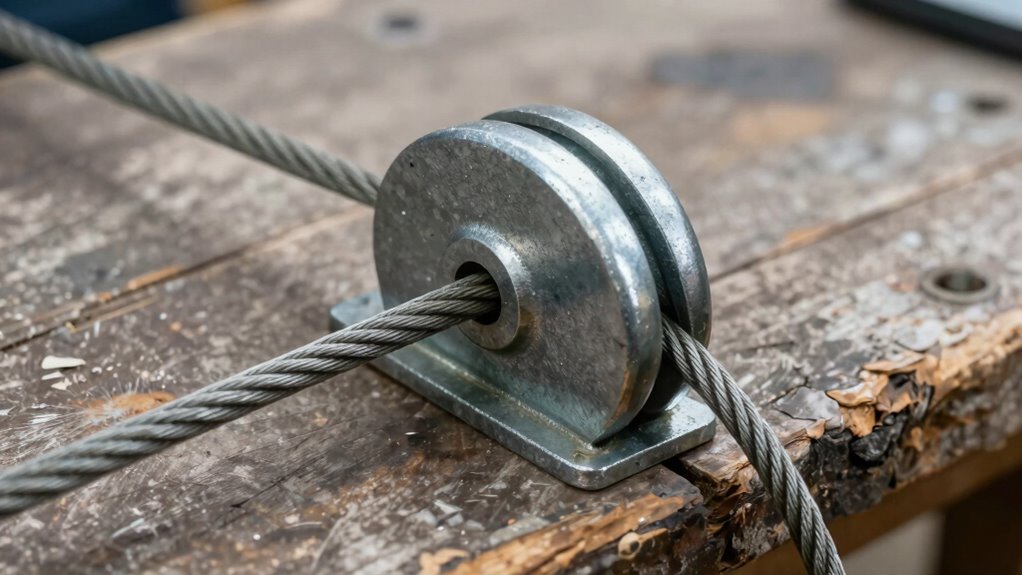

A snatch block helps you change the direction of the cable, making lifting easier and safer. When you reroute the line at wider angles, tension increases exponentially, risking equipment failure, so keeping angles under 60° is smart. Using the block with a mechanical advantage, like double lines or blocks, multiplies your lifting power. Understanding how line angle and gear setup impact tension ensures safer, more efficient lifts—continue to explore these details for the best safety.

Get business pricing on garage and car supplies
- Business-only prices and quantity discounts
- Tax-exempt purchasing
- Multiple users, one account, clear invoices
Key Takeaways
- Line angle affects tension; wider angles (>60°) significantly increase load on the snatch block.
- Mechanical advantage is achieved by rerouting the line through multiple pulleys, reducing effort to lift loads.
- Proper load capacity matching prevents equipment failure; always verify snatch block ratings before use.
- Maintaining line angles less than 60° helps keep tension manageable and enhances safety.
- Correct rigging and understanding of load dynamics ensure safe, efficient lifting with snatch blocks.
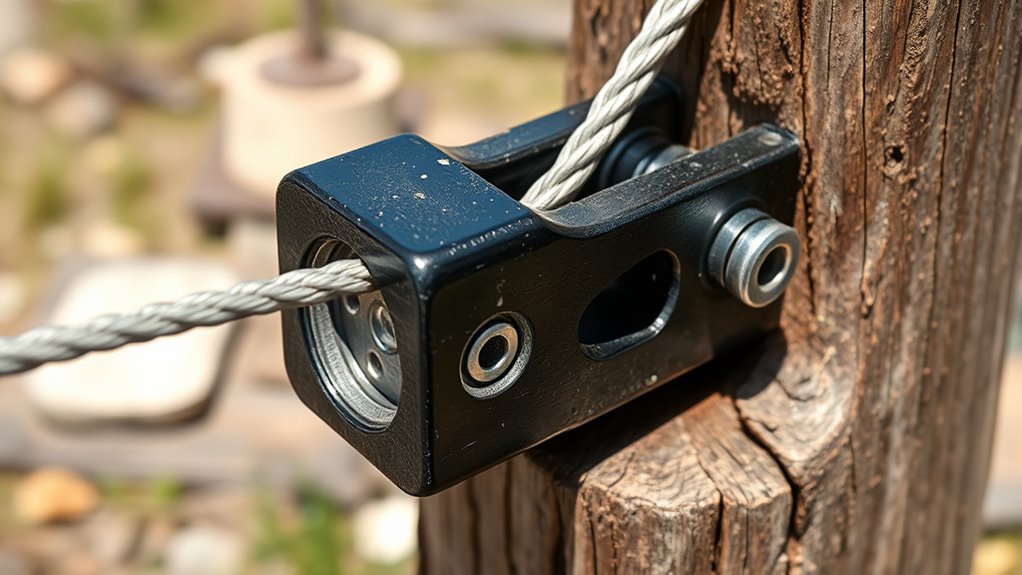
A snatch block is a essential tool for lifting and rigging operations, allowing you to change the direction of a cable or rope without losing tension. Its primary function is to redirect the line, making your rigging setup more flexible and efficient. But to do this safely, you need to understand how load capacity and line angles influence the operation. Proper rigging safety isn’t just about using the right equipment; it’s about knowing how each component interacts under load. For example, understanding power tools and heavy‑duty equipment fundamentals can help you better assess the equipment’s capabilities and limitations. When selecting a snatch block, you must pay close attention to its load capacity. Every snatch block is rated for a maximum load, which includes the weight of the load plus any dynamic forces during lifting. Exceeding this capacity risks equipment failure, which can lead to accidents or equipment damage. Always check the manufacturer’s specifications and ensure the snatch block’s load capacity comfortably exceeds the weight you plan to lift. Using a snatch block with insufficient load capacity compromises rigging safety and can cause catastrophic failure. Line angle plays a critical role in how effectively a snatch block works. When you pull a line at an angle, the load on the line isn’t just the weight of the load itself; it’s increased by the angle’s effect. As the angle between the line segments widens, the tension in the line increases exponentially. This means that even if your load is within the snatch block’s rated capacity, a wide line angle can create additional stress, risking overload. To maintain rigging safety, keep the line angles as narrow as practical—ideally less than 60 degrees—so that the tension remains manageable and within the snatch block’s load capacity. Mechanical advantage is another key concept when using a snatch block. By rerouting the line through the pulley, you can reduce the effort needed to lift or move heavy loads. This advantage depends on how the line is configured. For example, doubling the line or creating a block and tackle arrangement can greatly multiply the force you exert, making it easier to lift heavier loads safely. However, you must confirm the entire system, including the snatch block and line, can handle the increased tension without risking failure. Always double-check load ratings and line integrity before proceeding.
Frequently Asked Questions
Can a Snatch Block Be Used With All Types of Ropes?
A snatch block isn’t suitable for all types of ropes. You need to take into account rope compatibility and block material to ensure safety and efficiency. For example, synthetic ropes like nylon or polypropylene work well with most snatch blocks, but you should avoid using steel or wire ropes unless the block is specifically designed for them. Always check the manufacturer’s guidelines to match the block material and design with your rope type.
What Is the Maximum Load Capacity for Typical Snatch Blocks?
You should know that the maximum load capacity for typical snatch blocks varies depending on their material strength, but most are rated between 10,000 to 20,000 pounds. Always check the manufacturer’s specifications to make certain you’re not exceeding the load capacity, as overloading can cause failure. Using a snatch block within its rated limits guarantees safe operation and preserves its structural integrity during lifting or pulling tasks.
How Do I Choose the Right Size of Snatch Block?
To choose the right size of snatch block, consider your load weight and line diameter. Make certain the snatch block’s material is compatible with your rope or cable to prevent damage. Check that it has a secure locking mechanism to keep the line in place during operation. Larger blocks are suitable for heavier loads and thicker lines, offering better mechanical advantage, while smaller ones work well for lighter tasks.
Are There Safety Precautions for Operating Snatch Blocks?
Yes, you should always follow safety precautions when operating snatch blocks. Wear proper safety gear like gloves and eye protection, and verify you perform thorough inspection procedures before each use. Check for any wear, cracks, or deformation in the block, cable, and hook. Never exceed the rated capacity, and keep bystanders clear. These steps help prevent accidents and ensure safe, effective lifting operations.
How Does Ambient Temperature Affect Snatch Block Performance?
Ambient temperature directly affects snatch block performance through material expansion. When temperatures rise, metal components expand, potentially causing fitting issues or reduced efficiency. Conversely, cold temperatures can make materials contract, increasing the risk of cracking or difficulty operating the block. You should regularly inspect your snatch block in extreme temperatures, ensuring it’s clean, lubricated, and free from damage, so it maintains peak performance regardless of ambient temperature fluctuations.
Conclusion
Now that you understand how line angle and mechanical advantage work with snatch blocks, you’re like a skilled sailor steering through stormy seas. By mastering these basics, you harness the power of the gear, turning a simple pull into a mighty force. Remember, with knowledge as your compass and proper technique as your anchor, you’ll navigate even the toughest lifting challenges with ease. The road ahead is clear—you’re ready to command your gear with confidence.
Fall Picks
fall essentials
As an affiliate, we earn on qualifying purchases.