TL;DR
Listen free for 30 days with Audible
Thousands of audiobooks and originals — cancel anytime.
Start your free trialAs an affiliate, we earn on qualifying purchases.
A Tesla equipped with Full Self-Driving (FSD) completed a drive through Brussels with mostly positive results. The event marks a notable step in autonomous vehicle testing, though some issues were observed. The development is of high interest amid rising coverage and scrutiny of autonomous tech.
A Tesla equipped with its Full Self-Driving (FSD) system completed a test drive through the streets of Brussels with mostly smooth execution, according to sources familiar with the event. The drive is considered a significant milestone in Tesla’s ongoing development of autonomous driving capabilities, attracting increased attention from industry observers and regulators alike.
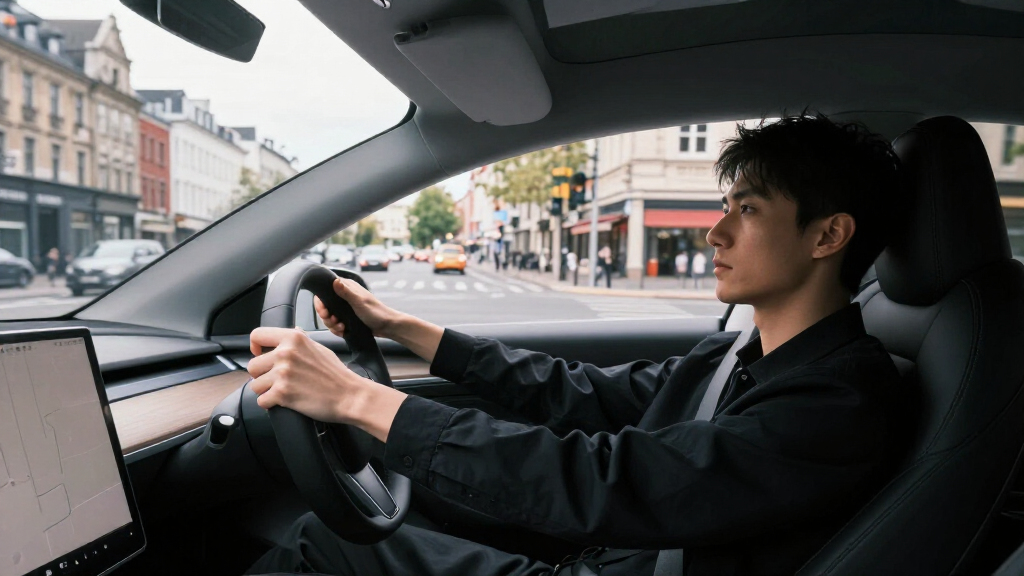
The test involved a Tesla Model 3 operating under FSD software navigating a complex urban environment in Brussels, Belgium. The vehicle successfully handled most traffic scenarios, including intersections, roundabouts, and pedestrian crossings, without human intervention. While the majority of the drive was uneventful, there were moments where the vehicle exhibited hesitation or required manual override, highlighting the current limitations of the system.
Sources involved in the test confirmed that the vehicle’s performance was generally positive, with the FSD system demonstrating improved decision-making compared to previous trials. The event was monitored by Tesla engineers and local observers, with footage and data shared on social media and industry forums. Tesla did not officially comment on the specific drive but has previously indicated ongoing testing in European cities as part of its broader autonomous vehicle development efforts.
Implications for Tesla’s Autonomous Driving Progress
This successful drive through Brussels underscores ongoing progress in Tesla’s FSD technology, which is nearing broader public deployment. It signals that Tesla’s autonomous system is capable of handling complex urban environments with a high degree of reliability, although some issues remain. The event also increases scrutiny on Tesla’s claims about fully autonomous driving, as regulators and consumers closely watch for safety and consistency. The drive’s mostly positive outcome could influence regulatory discussions and public acceptance, but the observed hesitations and manual interventions highlight that full autonomy is still a work in progress, making this a noteworthy development for the future of autonomous vehicles.Tesla Model 3 Full Self-Driving FSD system
As an affiliate, we earn on qualifying purchases.
As an affiliate, we earn on qualifying purchases.
Recent Trends in Tesla FSD Testing and European Deployments
Tesla has been gradually expanding its FSD beta testing in North America, with incremental software updates aimed at improving safety and reliability. European testing has been more limited but is gaining momentum as Tesla seeks regulatory approval and gathers data in diverse urban settings. The Brussels drive is part of a broader push to validate FSD capabilities in European cities, where traffic patterns and infrastructure differ from the U.S. Tesla’s progress has been watched closely, especially as regulatory bodies in Europe consider how to oversee autonomous vehicle deployment. Interest in Tesla’s FSD has surged amid increasing media coverage and speculation about the timeline for wider rollout, although official details remain scarce.As an affiliate, we earn on qualifying purchases.
Remaining Challenges and Unconfirmed Aspects of the Brussels Drive
It is not yet clear how often Tesla plans to conduct similar tests in Brussels or other European cities, nor whether this drive will lead to regulatory approval or wider public deployment. Details about specific incidents during the drive, such as hesitation points or system overrides, have not been officially disclosed. Additionally, the long-term reliability and safety of FSD in complex urban environments remain unconfirmed, with ongoing debates about whether current systems are ready for full autonomous operation.As an affiliate, we earn on qualifying purchases.
Next Steps in Tesla’s European Autonomous Testing Program
Tesla is expected to continue testing FSD in Brussels and other European cities, gathering data to refine its system. Regulatory agencies may scrutinize the recent drive, potentially influencing approval timelines. Tesla may also release further updates or footage to demonstrate progress. Industry observers will watch for signs of increased deployment or official announcements regarding wider availability of FSD features in Europe. The company’s next milestones could include more extensive testing, safety validations, or preliminary regulatory approvals, shaping the future of autonomous driving in the region.
As an affiliate, we earn on qualifying purchases.
Key Questions
Did the Tesla FSD drive through Brussels encounter any accidents or safety issues?
There have been no reports of accidents during the drive. Some moments of hesitation or manual override were observed, but no safety incidents have been confirmed.
Will Tesla’s FSD be available to the public in Brussels or Europe soon?
It is not yet clear when Tesla will roll out FSD to the European market broadly. The recent drive is part of ongoing testing and regulatory approval processes.
What specific challenges does Tesla face in deploying FSD in European cities?
European cities present complex traffic patterns, diverse infrastructure, and regulatory hurdles that Tesla must address to ensure safety and compliance before wider deployment.
How does this Brussels drive compare to Tesla’s previous autonomous tests?
This drive marks a positive step, with the vehicle handling most urban scenarios smoothly, but it still exhibited some hesitations, indicating ongoing development needs.
Source: rss
Back to school Picks
back to school
As an affiliate, we earn on qualifying purchases.