
TL;DR

Get business pricing on garage and car supplies
- Business-only prices and quantity discounts
- Tax-exempt purchasing
- Multiple users, one account, clear invoices
The U.S. has begun requiring new vehicles to feature modern headlights, such as LED and adaptive systems. While this marks a significant upgrade, driver experiences may differ, and some uncertainties remain about implementation and safety impacts.
The U.S. has officially adopted new regulations requiring all new vehicles to be equipped with modern headlights, including LED and adaptive lighting systems, effective from January 2025. This change aims to improve visibility and safety, but driver experiences and industry adaptation are still unfolding.
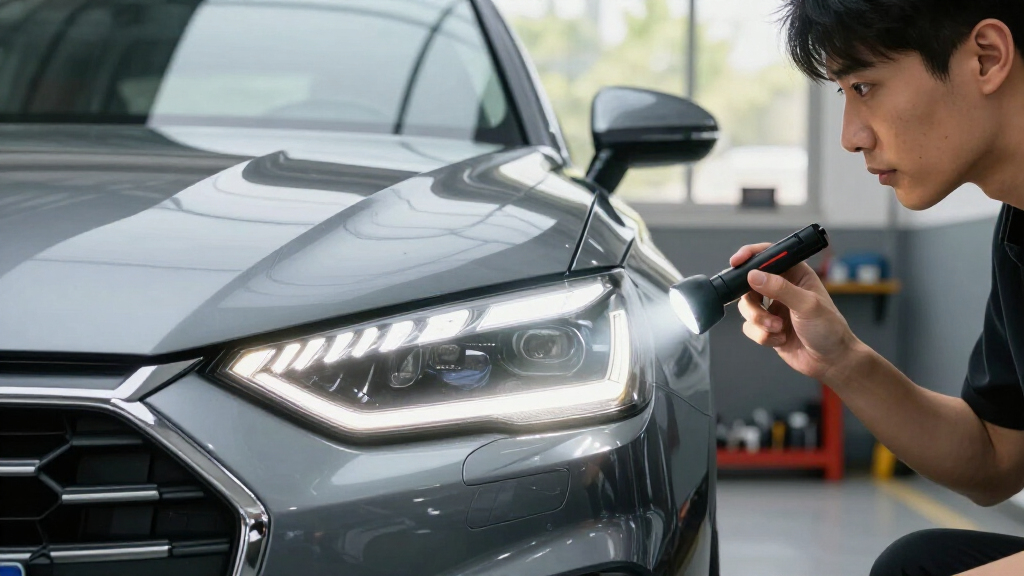
Starting in 2025, all new vehicles sold in the United States must feature headlights that meet updated standards, primarily LED and adaptive systems designed to enhance nighttime visibility and reduce accidents. The regulation, announced by the Department of Transportation, is part of broader efforts to modernize vehicle safety features.
Manufacturers have begun integrating these systems into their models, with some reporting smoother transitions and better illumination, while others note variability in performance depending on vehicle make and model. The change is expected to influence vehicle design, safety ratings, and possibly insurance premiums.
Industry experts say the new headlights could significantly reduce nighttime crashes, but consumer feedback remains mixed, with some drivers reporting adjustment periods or unfamiliarity with adaptive features.
Why Modern Headlights Are a Major Shift for U.S. Drivers
This regulation marks a substantial upgrade in vehicle safety technology, potentially reducing accidents caused by poor visibility at night. It also aligns the U.S. with international standards, where modern headlights have been standard for years. However, the variation in driver experiences and the pace of industry adaptation mean the full impact remains uncertain.
For consumers, this change could mean better safety features but also a learning curve in understanding new lighting systems. For automakers, it represents a significant engineering update and potential cost implications.
As an affiliate, we earn on qualifying purchases.
Background on Headlight Regulations and Industry Adoption
Historically, U.S. vehicle headlights have relied mainly on halogen bulbs, with some early adoption of HID and LED systems in high-end models. Internationally, many countries mandated LED and adaptive headlights years ago, citing safety benefits.
In 2022, the Department of Transportation announced plans to update headlight standards, citing advancements in lighting technology and safety data. The new regulations, finalized in late 2023, require all new vehicles to meet these standards starting in 2025.
Manufacturers have been gradually integrating modern headlights into their models, but the 2025 mandate accelerates widespread adoption across all vehicle classes.
“This regulation ensures that all new vehicles will benefit from the latest lighting technology, improving nighttime visibility and safety for drivers and pedestrians alike.”
— Department of Transportation spokesperson
As an affiliate, we earn on qualifying purchases.
Unresolved Questions About Implementation and Driver Experience
It is not yet clear how uniformly manufacturers will implement the new standards across all vehicle models, or how drivers will adapt to features like adaptive lighting. Reports of performance variability and driver familiarity remain anecdotal, and long-term safety impacts are still being studied.
Additionally, the extent to which insurance premiums or safety ratings will be affected by this change is still uncertain.
As an affiliate, we earn on qualifying purchases.
Next Steps for Industry Adoption and Consumer Feedback
Automakers will continue rolling out vehicles equipped with modern headlights, with full compliance expected by the 2025 model year. Consumer feedback and safety data collected over the next year will inform possible future adjustments to standards or driver education initiatives.
Regulatory agencies will monitor the impact of these systems on safety metrics, and industry groups are expected to publish reports on performance and consumer satisfaction by late 2025.
As an affiliate, we earn on qualifying purchases.
Key Questions
What types of headlights are now required on new vehicles?
All new vehicles must feature LED headlights and, where applicable, adaptive lighting systems designed to improve visibility and safety.
Will older vehicles be affected by these new regulations?
No. The regulations apply only to new vehicles sold from 2025 onward. Existing vehicles are not required to be retrofitted.
Are modern headlights safer than traditional halogen bulbs?
According to safety studies, LED and adaptive headlights generally provide better illumination and visibility, which can reduce nighttime accidents. However, driver familiarity with new systems is still developing.
Could this change impact vehicle prices?
Potentially. The inclusion of advanced lighting systems may increase manufacturing costs, which could be passed on to consumers, but the exact impact varies by manufacturer and model.
How will driver experience vary with these new headlights?
Driver experience may differ depending on vehicle design and familiarity with adaptive features. Some drivers may need time to adjust to new lighting behaviors and controls.
Source: rss
Fall Picks
fall essentials
As an affiliate, we earn on qualifying purchases.