
TL;DR
Listen free for 30 days with Audible
Thousands of audiobooks and originals — cancel anytime.
As an affiliate, we earn on qualifying purchases.
Mazda has shifted its position on vehicle touchscreens, now asserting they are safer than physical buttons. This change marks a significant reversal from past criticism and highlights evolving safety evaluations.
Mazda has officially reversed its previous criticism of vehicle touchscreens, now stating that they are safer than traditional physical buttons, according to the company’s recent statement.
Mazda’s new safety assessment was revealed in a recent company statement, where executives explained that advances in touchscreen technology, including better haptic feedback and integration with driver assistance systems, have made touchscreens more reliable and safer for drivers. This marks a notable shift from Mazda’s earlier position, where the automaker criticized touchscreens for distracting drivers and potentially compromising safety. The change aligns Mazda with broader industry trends toward digital controls, driven by technological progress and consumer preferences. Mazda did not specify whether this new stance affects existing vehicle models or future designs explicitly, but the statement indicates a strategic reassessment of in-car interface safety.
Industry analysts note that Mazda’s reversal may influence other automakers’ positions on digital interfaces. Mazda’s previous stance was vocal, with the company highlighting concerns about touchscreens distracting drivers and reducing tactile feedback, which they argued was safer. The new statement emphasizes that recent technological improvements have addressed many of those concerns, leading Mazda to conclude that touchscreens can be safer than traditional buttons when implemented correctly.
Implications of Mazda’s Safety Reversal
Mazda’s reversal on touchscreen safety could influence industry standards and consumer perceptions. As one of the early critics of touchscreens, Mazda’s new position may encourage other manufacturers to reassess their safety claims and interface designs. This shift also reflects broader technological advancements that aim to improve driver safety and reduce distraction. For consumers, it may mean increased adoption of digital controls in future Mazda models and potentially other brands. However, the change raises questions about how safety is evaluated and whether similar reassessments will occur across the automotive industry.
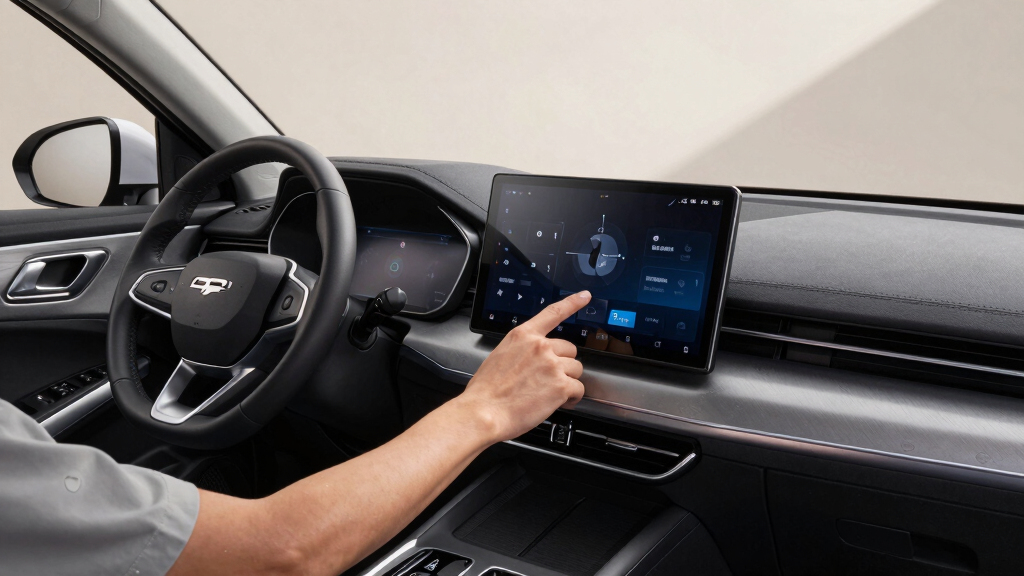
vehicle touchscreen control panel
As an affiliate, we earn on qualifying purchases.
As an affiliate, we earn on qualifying purchases.
Historical Criticism and Industry Shift on Touchscreens
Mazda was among the most vocal critics of touchscreens in vehicles, citing concerns over driver distraction and safety risks. In 2022, Mazda executives publicly expressed skepticism about the safety of touch controls, emphasizing tactile buttons’ advantages. Over recent years, automakers have increasingly integrated touchscreens, citing user experience and technological benefits. Mazda’s recent statement signals a significant shift, likely influenced by technological improvements such as better haptic feedback, voice controls, and driver assistance integrations that aim to mitigate earlier safety concerns. This development occurs amid ongoing debates over optimal vehicle interface design and safety standards in the industry.
“Our latest evaluations indicate that modern touchscreens, when properly designed, can be safer than physical buttons, especially with recent technological advancements.”
— Mazda spokesperson
As an affiliate, we earn on qualifying purchases.
It is not yet clear whether Mazda plans to eliminate physical buttons entirely or simply integrate touchscreens alongside them. Details on specific models affected and future design strategies remain undisclosed, and industry experts await further clarification from Mazda regarding implementation timelines.
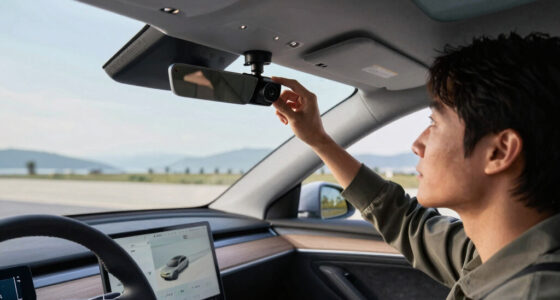
driver assistance system touchscreen
As an affiliate, we earn on qualifying purchases.
As an affiliate, we earn on qualifying purchases.
Next Steps in Mazda’s Interface Design Strategy
Mazda is expected to release more details about how this safety assessment will influence upcoming vehicle models. The company may also update its safety standards and interface designs to incorporate more touchscreen features. Industry observers will monitor whether Mazda’s reversal prompts other automakers to revisit their positions on digital controls or accelerate their own safety evaluations.
automotive touchscreen interface
As an affiliate, we earn on qualifying purchases.
As an affiliate, we earn on qualifying purchases.
Key Questions
Why did Mazda criticize touchscreens initially?
Mazda argued that touchscreens could distract drivers and reduce tactile feedback, potentially increasing safety risks compared to physical buttons.
What technological advancements led to Mazda’s reversal?
Improvements such as better haptic feedback, voice control systems, and integration with driver assistance features have addressed previous safety concerns.
Does this mean Mazda will remove physical buttons entirely?
It is not yet clear whether Mazda will phase out physical buttons completely or continue to offer both options in future models.
How might this change impact other automakers?
Mazda’s reversal could encourage other manufacturers to reassess their safety claims and interface designs, possibly leading to broader industry shifts.
When will new Mazda vehicles with touchscreens be available?
Specific timelines have not been announced. Future vehicle models are expected to incorporate the updated safety assessments, but details remain forthcoming.
Source: rss
Flea & tick season Picks
flea and tick prevention
As an affiliate, we earn on qualifying purchases.