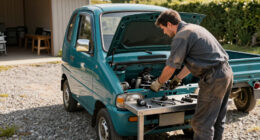
To choose the right cold-weather starting method, assess your vehicle’s needs and consider key accessories like battery warmers and engine block heaters, which keep essential parts warm and reliable. Keep your fuel tank topped off and use winter additives to prevent gelling. Regular maintenance and troubleshooting help identify problems early. Installing a remote starter can simplify cold starts. Stay proactive, and you’ll find the best approach to start your vehicle confidently in winter — find out more to optimize your strategy.

Get business pricing on garage and car supplies
- Business-only prices and quantity discounts
- Tax-exempt purchasing
- Multiple users, one account, clear invoices
Key Takeaways
- Regularly inspect and maintain your battery, replacing it if weak before cold weather hits.
- Use compatible engine block heaters and battery warmers to ensure reliable starts.
- Keep fuel tank at least half full and add winter fuel additives to prevent gelling.
- Follow manufacturer’s guidelines for remote starters and accessories for optimal performance.
- Develop a consistent starting routine, including gentle ignition and waiting periods if the engine doesn’t start immediately.
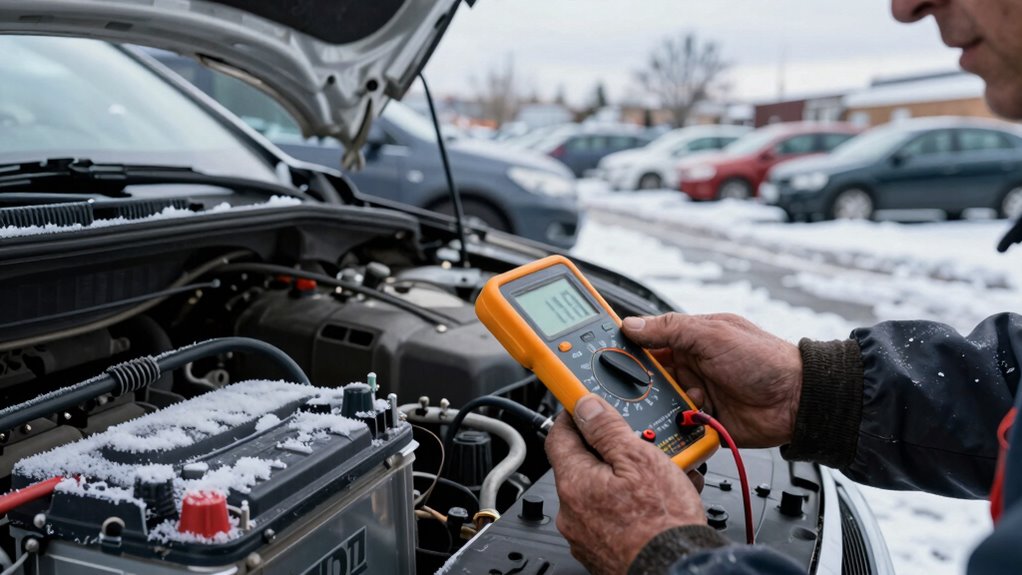
Are you struggling to start your vehicle in cold weather? If so, you’re not alone. Cold temperatures can make your car’s engine turn over sluggishly or not at all. The key to reliable cold-weather starts lies in understanding what your vehicle needs and taking proactive steps. One of the most critical aspects is battery maintenance. Cold weather puts extra strain on your battery because it thickens the engine oil and reduces the chemical activity inside the battery, making it harder to generate the power needed to turn over your engine. To keep your battery in peak condition, regularly check its charge level and clean any corrosion from the terminals. If your battery is old or weak, replacing it before winter hits can prevent frustrating starting problems.
Cold weather strains your battery; regular checks and terminal cleaning prevent starting issues.
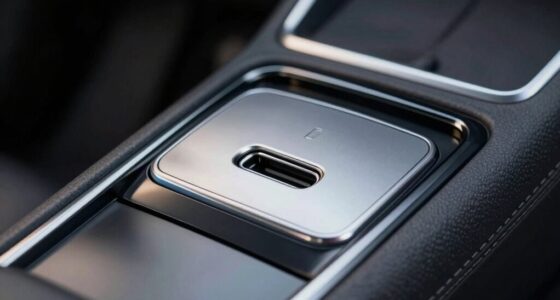
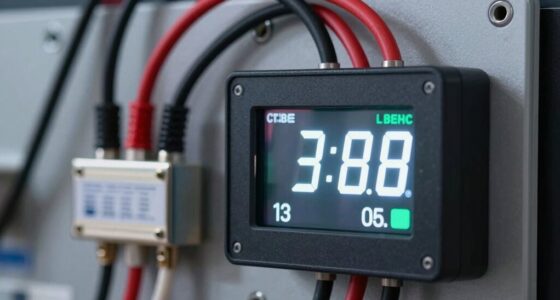
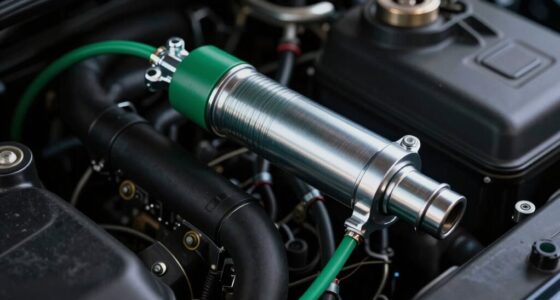
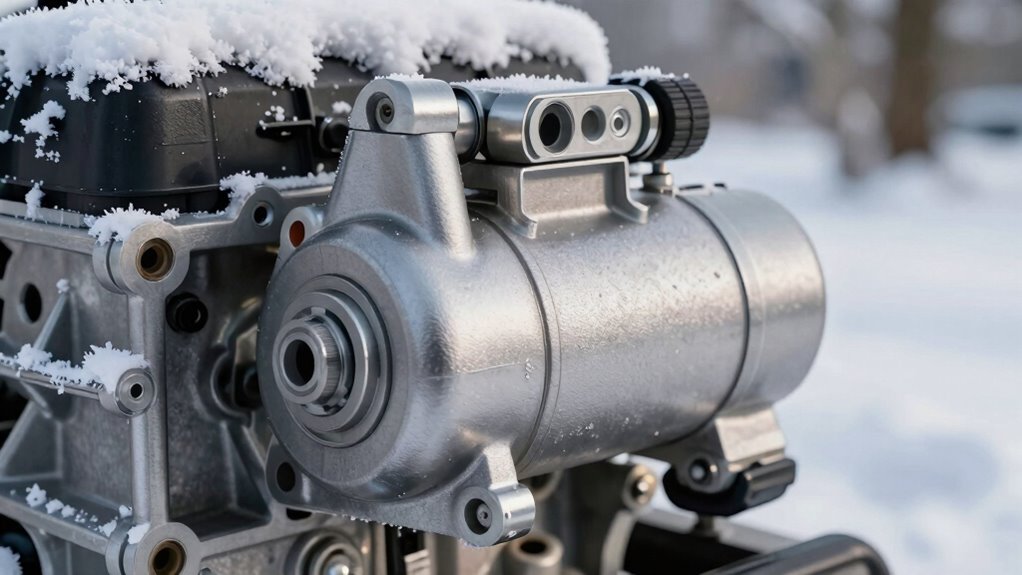
Beyond battery care, investing in cold weather accessories can make a significant difference. Consider adding a battery warmer or blanket, which keeps the battery at an optimal temperature, ensuring it retains its power even during the coldest days. Engine block heaters are another excellent accessory, warming the engine coolant so that oil flows more freely and the engine starts more easily. When choosing these accessories, make sure they are compatible with your vehicle’s make and model, and follow the manufacturer’s installation instructions carefully to maximize their effectiveness. Proper cold-weather preparedness can help you avoid unexpected starting issues during the winter months. Additionally, understanding the importance of vehicle maintenance during colder months can further improve your chances of a reliable start. Keeping up with vehicle troubleshooting skills can help you identify minor issues before they become major problems, saving you time and money. Regular vehicle inspections are also crucial for spotting potential issues early, especially in extreme temperatures.
You also want to think about your starting routine. Keep your fuel tank at least half full to prevent moisture buildup and fuel line freezing. Using a fuel additive designed for winter conditions can help prevent fuel gelling. When starting your vehicle, turn the key or press the start button gently to avoid overloading the battery and starter motor. If it doesn’t turn over immediately, give it a moment before trying again, as repeatedly cranking can drain your battery faster. Ensuring your vehicle has a proper cold-weather maintenance routine can also reduce the likelihood of starting problems, especially in extreme temperatures.
In addition to these steps, consider installing a remote starter system. This allows you to start your vehicle from inside your home or office, giving the engine time to warm up before you even step outside. This not only makes cold mornings more bearable but also reduces the strain on your battery and engine components. Remember, no matter what accessories or maintenance routines you choose, staying proactive and prepared is the best way to avoid guessing when it comes to cold-weather starting. With the right knowledge and some simple adjustments, you can ensure your vehicle starts reliably, no matter how frigid it gets outside.
As an affiliate, we earn on qualifying purchases.
Frequently Asked Questions
How Often Should I Check My Battery in Cold Weather?
You should check your battery at least once a month during cold weather. Regular battery maintenance is essential because cold temperatures can weaken your battery’s performance. Look for signs like slow engine cranking or dim headlights. Follow cold weather tips by inspecting the battery terminals for corrosion and ensuring it’s properly charged. Frequent checks help prevent unexpected breakdowns and extend your battery’s lifespan in harsh conditions.
Does Engine Oil Viscosity Affect Cold Starts?
Yes, engine oil viscosity impacts cold starts. Thinner oil, with lower viscosity, flows more easily in cold weather, reducing strain on your engine during startup. Thick or high-viscosity oils resist flow when it’s cold, making it harder for your engine to turn over. Selecting an oil with the right oil thickness for low temperatures guarantees smoother starts and better engine protection, especially during harsh winter conditions.
Are There Specific Fuel Types Better for Cold Starts?
Certain fuel types and additives improve cold starts. You should look for fuels with winter blends or those enhanced with fuel additives designed for low temperatures. These additives help prevent fuel gelling and improve combustion, making starting easier. Also, using high-quality, efficient fuels boosts overall fuel efficiency, especially in cold weather. Always check your vehicle’s recommendations to select the best fuel type and additives for reliable cold starts.
How Can I Prevent My Engine From Flooding in Winter?
Did you know that nearly 60% of winter engine flooding occurs due to cold starts? To prevent flooding, use engine block heaters and cold weather accessories. These devices keep your engine warm, making startup easier and reducing excess fuel that can cause flooding. Always allow your engine to warm up gently before driving, and avoid pressing the gas pedal too much during startup. This approach helps prevent flooding and keeps your engine running smoothly.
What Are the Signs of a Weak Starter in Cold Conditions?
You’ll notice a weak starter in cold conditions if it struggles to turn over your engine or makes slow, labored sounds. Battery maintenance is essential—ensure your battery is charged and terminals are clean. During starter troubleshooting, listen for clicking noises or inconsistent cranking. If these signs appear, inspect your battery and starter connections, and consider replacing the starter if it continues to struggle, especially in winter’s chill.
As an affiliate, we earn on qualifying purchases.
Conclusion
Now that you know how to choose the perfect cold-weather start, you’re like a skilled captain steering through icy waters—confident and in control. With these tips, you won’t be left stranded in the cold, guessing your way through the freeze. Instead, you’ll navigate the frosty mornings smoothly, knowing your engine’s heartbeat is strong and steady. Trust your choices, and let your vehicle’s resilience be the lighthouse guiding you safely home on even the coldest nights.
As an affiliate, we earn on qualifying purchases.
remote car starter for cold weather
As an affiliate, we earn on qualifying purchases.
As an affiliate, we earn on qualifying purchases.
Fall Picks
fall essentials
As an affiliate, we earn on qualifying purchases.