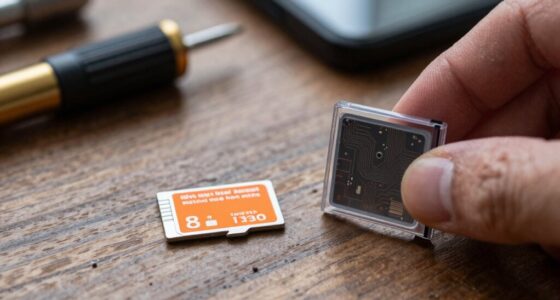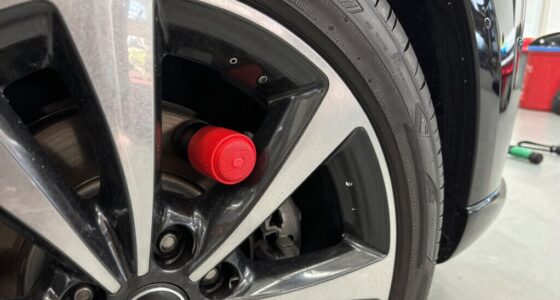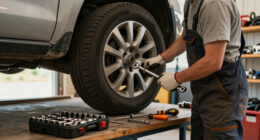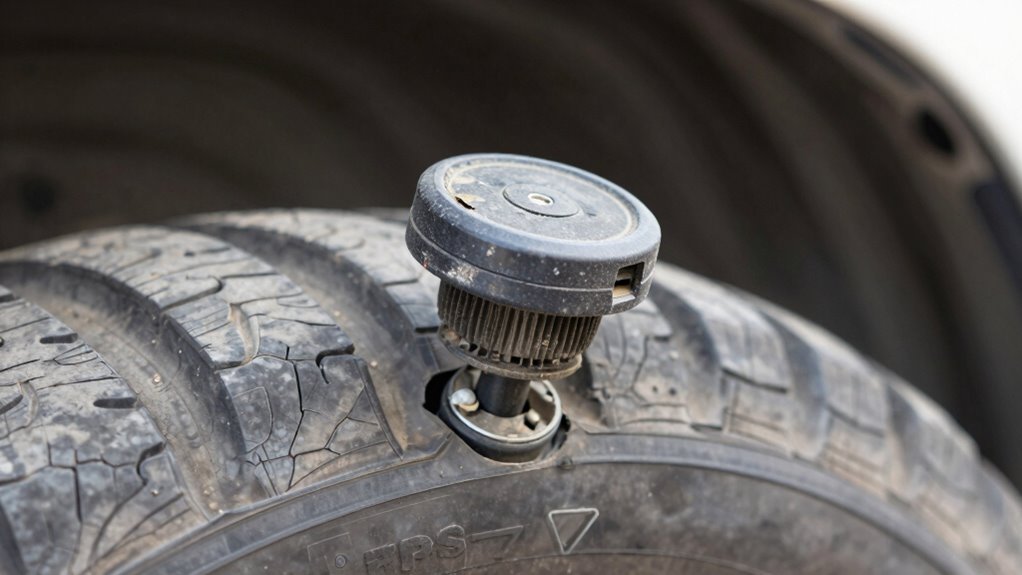
Stop neglecting calibration and ignoring warning lights, as these are the most common failures in TPMS for daily drivers. Failing to recalibrate after tire changes or hitting potholes can lead to inaccurate readings and false alarms. Also, don’t ignore battery warnings—dead sensors can cause system failure and unsafe driving conditions. Environmental factors and mishandling during tire service further contribute to problems. Keep an eye on these issues, and you’ll better understand how to maintain your system effectively.
Listen free for 30 days with Audible
Thousands of audiobooks and originals — cancel anytime.
As an affiliate, we earn on qualifying purchases.
Key Takeaways
- Avoid neglecting sensor calibration after tire rotations or replacements to ensure accurate pressure readings.
- Do not ignore dashboard warning lights indicating sensor or battery issues.
- Handle sensors carefully during tire service to prevent damage or misalignment.
- Ignore environmental impacts, such as extreme temperatures, which can degrade sensor performance.
- Skip regular maintenance checks and sensor replacements to prevent system failures and safety risks.
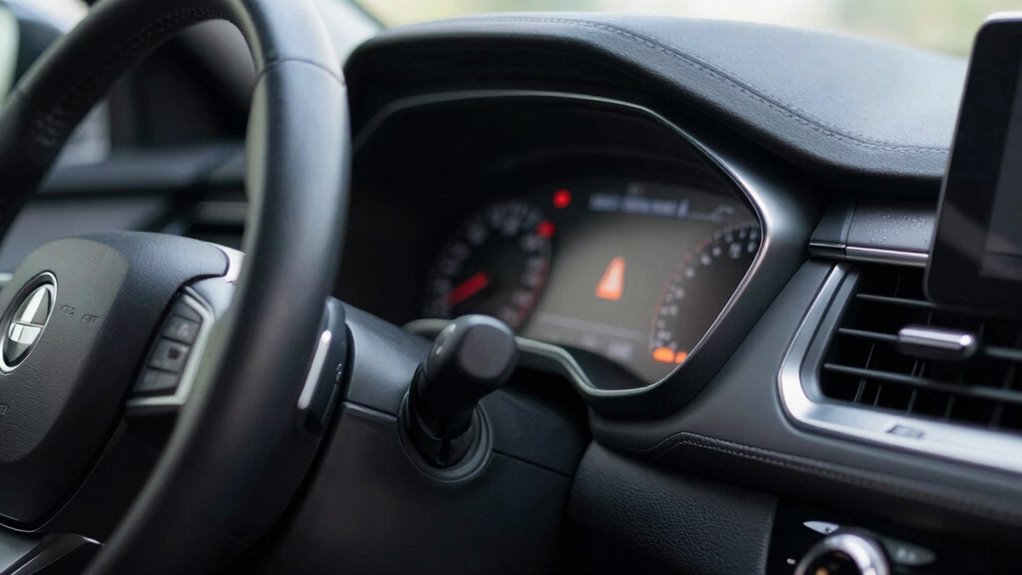
Many daily drivers rely on Tire Pressure Monitoring Systems (TPMS) to keep them safe on the road, but these systems can sometimes fail unexpectedly. One common mistake people make is neglecting proper sensor calibration. When you install new sensors or rotate your tires, failing to recalibrate the TPMS can lead to inaccurate readings or warning lights that won’t turn off. This oversight causes you to ignore real issues or chase false alarms, reducing your confidence in the system. To avoid this, always follow your vehicle manufacturer’s instructions for sensor calibration after any tire service. Proper calibration ensures your TPMS accurately detects low pressure, preventing potential blowouts or uneven tire wear.
Another frequent cause of TPMS failure is battery drain within the sensors. Many drivers overlook the fact that these sensors rely on small batteries to transmit data to your vehicle’s receiver. Over time, these batteries weaken and eventually die, causing the system to stop functioning correctly. When this happens, your dashboard warning light may illuminate, alerting you to a problem, but you might not realize the root cause is a dead sensor battery. Ignoring this warning can leave you unaware of underinflated tires, which compromises safety and fuel efficiency. Regularly scheduled maintenance or sensor replacements can help prevent unexpected failures due to battery drain. Some newer sensors come with longer-lasting batteries or are designed to be replaced more easily, so consider upgrading if you’re experiencing recurrent issues.
Dead sensor batteries can cause TPMS failure; regular maintenance or sensor upgrades help prevent unexpected issues.
It’s also common for drivers to forget that rough handling or impacts can disrupt sensor calibration or damage the sensors altogether. Hitting a pothole, curb, or during a tire change, the sensors can become misaligned or knocked out of calibration. This can cause false pressure readings or warning lights to activate. You might think the system is malfunctioning when, in reality, it just needs recalibration or sensor replacement. Always handle sensors carefully during tire service and double-check calibration afterward to ensure everything is working properly. Additionally, sensor durability can vary depending on the quality and design, so investing in high-quality sensors may reduce damage risks. Being aware of environmental impacts like temperature extremes can also help you take proactive steps to maintain sensor reliability.
Furthermore, environmental factors like extreme temperatures can accelerate battery drain or interfere with sensor signals. Very cold or hot weather can impact the lifespan and communication of your TPMS sensors, leading to failures when you least expect them. Understanding how environmental conditions can affect sensor performance and scheduling regular inspections can help you catch these issues early. Recent advancements in sensor technology are designed to withstand harsher conditions, but regular checks remain essential. Ultimately, understanding the importance of sensor calibration and the impact of battery drain helps you maintain your TPMS’s reliability. By avoiding these common pitfalls, you ensure your safety on the road and prolong the life of your TPMS system.
As an affiliate, we earn on qualifying purchases.
Frequently Asked Questions
How Often Should I Calibrate My TPMS?
You should calibrate your TPMS whenever you change your tires or sensors, which is usually after installation or rotation. Sensor placement affects calibration, so it’s crucial to do it correctly. Generally, calibration frequency isn’t needed often—just follow your vehicle’s manual or when the warning light appears. Regularly check your tire pressure, and if the TPMS warning comes on, recalibrate or have it inspected to guarantee accurate readings.
Can TPMS Be Reused After Replacing a Tire?
Think of your TPMS sensor as a delicate musical instrument; once replaced, it can often be reused if the sensor battery still hums with life. You’ll want to confirm system compatibility before reinstalling, as different makes and models may require specific sensors. If the battery is drained or the sensor is damaged, reusing it isn’t wise. Proper calibration afterward guarantees your system stays in tune with your vehicle’s needs.
What Are Signs of a Faulty TPMS Sensor?
You’ll notice a faulty TPMS sensor if your dashboard warning light stays on, or if tire pressure readings seem inconsistent. Sometimes, sensor calibration issues cause inaccurate tire pressure readings, alerting you unnecessarily. Keep an eye out for slow leaks or sudden pressure drops too. Regularly checking your tire pressure and ensuring sensor calibration helps maintain tire pressure accuracy, preventing false warnings and ensuring safe driving.
Do All Vehicles Use the Same TPMS System?
Many vehicles don’t use the same TPMS system, so sensor calibration and tire pressure accuracy can vary widely. You should check your vehicle’s manual or consult a professional to understand specific system requirements. Some cars rely on direct sensors, while others use indirect methods. Recognizing these differences helps you maintain proper pressure, avoid false alerts, and guarantee your TPMS functions smoothly, saving you from surprises on the road.
Is TPMS Maintenance Necessary for Older Cars?
Yes, TPMS maintenance is necessary for older cars. Over time, sensor batteries may weaken, affecting accuracy, and calibration frequency might need adjustments. Regularly check tire pressure and confirm sensors are functioning properly to avoid false warnings or missed alerts. If you notice inconsistent readings, it’s wise to have a professional replace sensors or recalibrate the system, guaranteeing your safety and peak performance on the road.
TPMS battery replacement sensors
As an affiliate, we earn on qualifying purchases.
As an affiliate, we earn on qualifying purchases.
Conclusion
To keep your TPMS working smoothly, stay vigilant like a watchful guardian. Regularly check your tire pressure and sensors, and don’t ignore warning lights. Just as a car can’t run well without proper fuel, your vehicle needs a healthy TPMS to keep you safe on the road. Address issues promptly, and you’ll avoid surprises—making your daily drives as reliable as clockwork. Keep it in check, and your tires will thank you for it!
As an affiliate, we earn on qualifying purchases.
As an affiliate, we earn on qualifying purchases.
Fall yard work Picks
leaf blowers
As an affiliate, we earn on qualifying purchases.