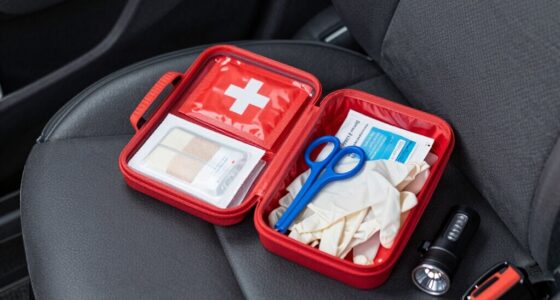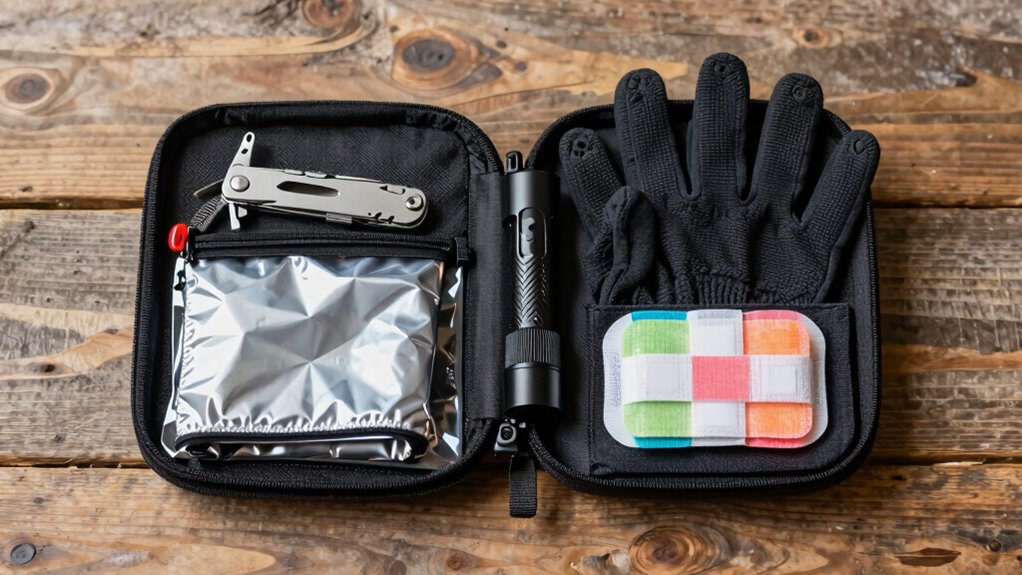
To build a minimal recovery kit that works, start by choosing a sturdy, portable container with clear labels and compartments for quick access. Include essential items like a compact first aid set, a multi-tool, a flashlight, extra batteries, and environment-specific essentials. Organize everything in pouches or zip-lock bags for easy retrieval. Regularly review and update your kit, tailoring it to your needs, so you’re always prepared. Keep exploring for advanced tips to optimize your system effectively.

Get business pricing on garage and car supplies
- Business-only prices and quantity discounts
- Tax-exempt purchasing
- Multiple users, one account, clear invoices
Key Takeaways
- Choose a sturdy, organized container with compartments for quick access and easy identification of essentials.
- Include versatile, lightweight items like a basic first aid kit, multi-tool, flashlight, and extra batteries.
- Tailor contents to environment and personal needs, removing unnecessary items to maintain minimalism.
- Regularly review and replace expired or damaged items to ensure functionality during emergencies.
- Practice quick access and use of the kit to build familiarity and confidence in emergency situations.
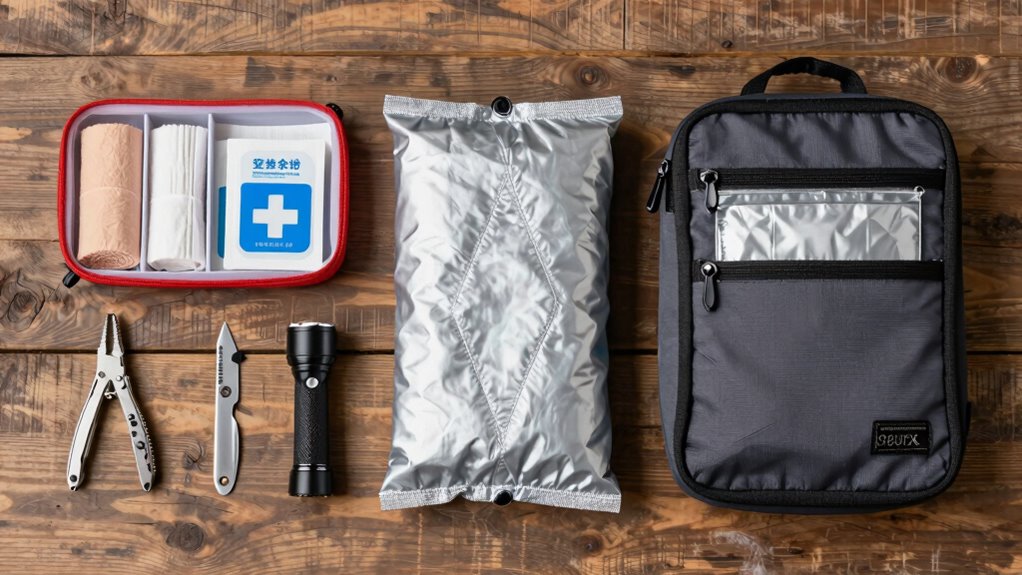
When emergencies strike, having a minimal recovery kit can make all the difference in getting back on your feet quickly. Your goal is to prepare just enough to handle common setbacks without overloading yourself with unnecessary items. This is where thoughtful emergency preparedness and smart kit organization come into play. You want a setup that’s easy to access, lightweight, and tailored to your specific needs. Start by choosing a sturdy, compact container—something that’s portable but durable enough to protect your essentials. Clear labeling and compartmentalization will help keep everything organized, so you know exactly where each item is when you need it most.
A well-organized, lightweight kit tailored to your needs ensures quick access during emergencies.
The key to effective kit organization is simplicity. Prioritize items that serve multiple purposes and are versatile enough to handle various situations. For example, instead of bringing separate bandages, gauze, and antiseptic wipes, consider a small first aid set that combines these items efficiently. Include a multi-tool or a Swiss Army knife—compact, functional, and capable of assisting with a range of tasks. Flashlights or headlamps are essential for visibility, especially if power is out, but opt for energy-efficient LED versions to conserve batteries. Don’t forget a few extra batteries or a portable charger for your devices, so you’re not left without power when it matters most.
In terms of emergency preparedness, think about the environments you’re most likely to encounter. If you’re outdoors, pack items like a compact water filtration system, energy bars, and weather-appropriate clothing. If you’re in an urban setting, focus on essentials like a small flashlight, a whistle for signaling, and some cash in small bills. The idea is to tailor your kit to your lifestyle and local risks while keeping it minimal enough to carry around easily. Regularly review and update your kit, replacing expired items and adjusting to changing needs. Incorporating smart home technology insights can help enhance your overall preparedness by integrating safety measures into your everyday environment.
Proper kit organization ensures you can access what you need swiftly without rummaging through clutter. Use small pouches or zip-lock bags within your container to separate items—first aid supplies in one, tools in another, and so on. Practice accessing your kit periodically so you’re familiar with its layout. Additionally, considering home automation solutions can further streamline your safety protocols and emergency responses. Developing a comprehensive emergency plan can also improve your chances of a swift and effective response during a crisis. The more you understand about emergency response techniques, the better equipped you’ll be to handle unexpected situations efficiently and calmly. Remember, the goal is readiness, not clutter. With a well-organized, thoughtfully assembled minimal recovery kit, you’ll be better prepared to handle unexpected emergencies and recover more efficiently, no matter what comes your way.
compact first aid kit for emergencies
As an affiliate, we earn on qualifying purchases.
As an affiliate, we earn on qualifying purchases.
Frequently Asked Questions
How Often Should I Update My Recovery Kit?
You should update your recovery kit at least once a year, ideally during emergency drills or when you notice items are expired or damaged. Regular kit maintenance guarantees your supplies stay fresh and functional. Check for expired food, medications, and batteries, and replace them as needed. Keeping your kit updated helps you stay prepared, giving you confidence that you can rely on it in an emergency.
Can I Customize My Kit for Specific Emergencies?
Yes, you can customize your recovery kit for specific emergencies by including personalized gear suited to potential emergency scenarios. Think about the environment you’re in—add extra water, a thermal blanket, or first aid supplies tailored to unique risks. Personalizing your kit guarantees you’re prepared for the situations most likely to occur, giving you peace of mind and a more effective response when emergencies happen.
What Are the Most Essential Items for a Minimal Kit?
Think of your minimal recovery kit as a tiny fortress, ready to defend you in emergencies. The essentials include a first aid kit, water, non-perishable snacks, a flashlight, batteries, and a multi-tool. For emergency preparedness, customize it with items specific to your needs—medications or warm clothing. Keep it compact but powerful, so you’re always ready to face unexpected storms with confidence.
How Do I Pack My Recovery Kit Efficiently?
To pack your recovery kit efficiently, prioritize emergency preparedness by organizing items in a compact, accessible way. Use small, labeled containers or pouches to separate essentials like first aid supplies, snacks, and tools. Keep frequently used items near the top or in easily reachable pockets. Regularly review and update your kit to guarantee everything stays functional and ready, making kit organization a key part of your preparedness strategy.
Where Is the Best Place to Store My Kit?
You should store your recovery kit in a easily accessible location, like a designated shelf or a dedicated drawer near your main living area. Consider accessibility factors such as avoiding places prone to moisture, extreme temperatures, or clutter, which could hinder quick retrieval. Keep it close to exits or in a central spot so you can grab it swiftly in emergencies, ensuring you’re always prepared when seconds count.
As an affiliate, we earn on qualifying purchases.
Conclusion
Building a minimal recovery kit is like packing a safety net for life’s unexpected falls. Keep it simple, essential, and tailored to your needs, so you’re always prepared without the weight of excess. Think of it as a lighthouse guiding you safely back to shore when storms hit. With just a few carefully chosen items, you’ll feel more confident facing challenges, knowing you’ve got a reliable backup ready to catch you when you stumble.
As an affiliate, we earn on qualifying purchases.
portable water filtration system
As an affiliate, we earn on qualifying purchases.
As an affiliate, we earn on qualifying purchases.
Fall Picks
fall essentials
As an affiliate, we earn on qualifying purchases.