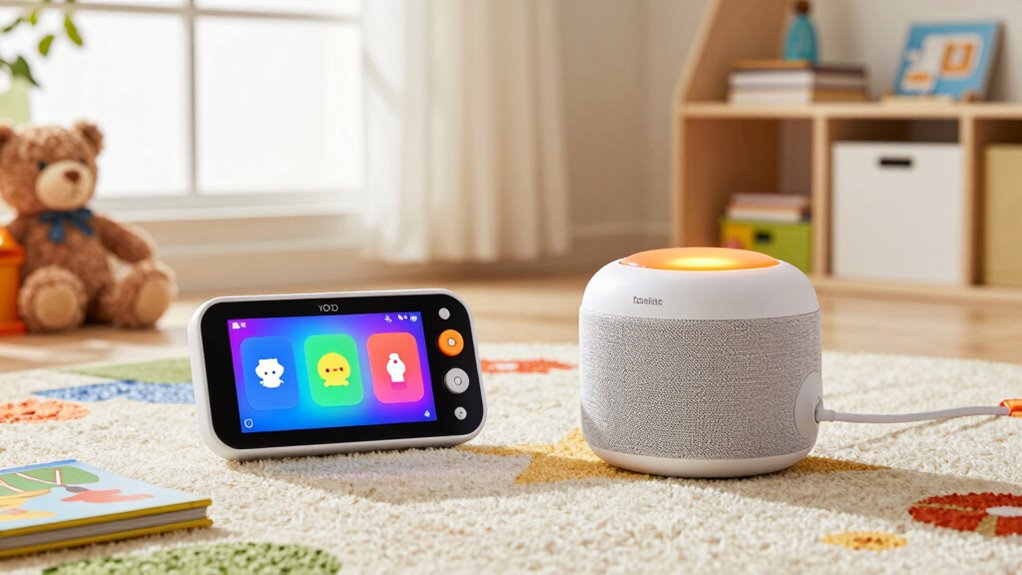

When choosing between a Yoto player and a Toniebox, parents often weigh factors like content variety, durability, ease of use, and price. The Yoto Player (3rd Gen.) stands out for its screen-free design and extensive content options, making it ideal for kids who enjoy interactive storytelling. The Toniebox, on the other hand, offers a highly intuitive, plush design with a focus on simplicity and physical media. The main tradeoffs involve balancing technology features against tactile play and content ecosystems. Continue reading for a detailed comparison of these popular options to help you find the right fit for your child.

Get garage and car supplies delivered free — and shop member deals
- Fast, free delivery on millions of items
- Access to Prime Big Deal Days deals on October 6–7
- Prime Video, Amazon Music and more included
Complete the kit


Key Takeaways
- The Yoto Player excels in offering a wide content library and customization, but its digital approach can be overwhelming for very young children.
- The Toniebox’s simple, rugged design makes it more suitable for younger kids or those prone to rough handling.
- The Yoto Mini provides portability and affordability, though it sacrifices some advanced features found in the full-sized Yoto Player.
- Content ecosystem integration is a key difference: Yoto relies on digital downloads, while Toniebox uses physical figurines for storytelling.
- Price varies significantly, with the Yoto Player generally costing more but offering more features, making it better for tech-savvy families.
| YOTO Player (3rd Gen.) – Kids Audio Player, Screen-Free, Ages 3-12 |  | Best Overall for Versatile Screen-Free Play | Display: Pixel display | Battery Life: Up to 16 hours | Internal Storage: 32GB | VIEW ON AMAZON | See Our Full Breakdown |
| YOTO Player (3rd Gen.) + Kids Disney Classics Bundle – Screen-Free, Ages 4+ |  | Best for Disney Fans and Parental Controls | Audio Output Mode: Stereo | Night Light: Ambient | Connectivity: Bluetooth, Wi-Fi | VIEW ON AMAZON | See Our Full Breakdown |
| Yoto Mini (2024 Edition) + Starter Pack for Little Kids Bundle, Ages 3+ |  | Best for Small Hands and Beginners | Weight: 160 g | Dimensions: 1.57″D x 2.76″W x 2.76″H | Display Technology: Pixel display | VIEW ON AMAZON | See Our Full Breakdown |
| Yoto Mini (2024 Edition) Kids Travel Audio Player, Screen-Free, Ages 3-12 |  | Best for On-the-Go Adventures | Battery Life: Up to 14 hours | Display: Pixel display | Content: Over 1000+ cards | VIEW ON AMAZON | See Our Full Breakdown |
| Yoto Mini (2024 Edition) Kids Audio Player + Spanish Starter Pack, Ages 3+ |  | Best for Bilingual or Spanish-Learning Kids | Display: Pixel display | Battery Life: Up to 14 hours | Connectivity: Bluetooth, app control | VIEW ON AMAZON | See Our Full Breakdown |
| YOTO Player (3rd Gen.) + Starter Pack for Little Kids Bundle – Kids Bluetooth Audio Speaker, Screen-Free Device for Stories, Music, Podcasts, Radio, Nightlight |  | Best Versatile Screen-Free Audio Device | Audio Output Mode: Stereo | Mounting Type: Speaker | Enclosure Material: Plastic | VIEW ON AMAZON | See Our Full Breakdown |
| yoto player vs toniebox review | Battery Life | Connectivity | Display | Age Range |
|---|---|---|---|---|
| YOTO Player | Up to 16 hours | USB-C | Pixel display | 3-12+ |
| YOTO Player | 16 hours | Bluetooth, Wi-Fi | — | — |
| Yoto Mini | Up to 14 hours | — | — | — |
| Yoto Mini | Up to 14 hours | — | Pixel display | 3-12+ |
| Yoto Mini | Up to 14 hours | Bluetooth, app control | Pixel display | 3+ |
| YOTO Player | Up to 16 hours | Bluetooth, Wi-Fi | — | — |
More Details on Our Top Picks
YOTO Player (3rd Gen.) – Kids Audio Player, Screen-Free, Ages 3-12
The YOTO Player (3rd Gen.) stands out as the most versatile option, combining a large library of offline content with multiple functions like a nightlight and alarm clock. Unlike the YOTO Player + Disney Bundle, it doesn’t include themed content but offers broader customization and a longer battery life, making it ideal for independent, screen-free entertainment. Its dependence on physical cards for content can be less convenient than digital streaming, and it lacks visual interaction, which might limit engagement for some children. Still, it’s a well-rounded choice for parents seeking a device that encourages creative play and independence without screens.
Pros:- Large content library with 600+ hours of offline audio
- Includes features like nightlight and alarm clock
- Encourages independent, creative play
- Long battery life with fast USB-C charging
Cons:- Requires physical cards for content, which can be lost or less convenient
- Limited to audio content, no visual or interactive features
Best for: Parents seeking a flexible, long-lasting device that supports a wide range of offline content and functions.
Not ideal for: Families preferring instant access to digital streaming or interactive visual content for their children.
- Display:Pixel display
- Battery Life:Up to 16 hours
- Internal Storage:32GB
- Content Capacity:600+ hours of offline listening
- Connectivity:USB-C
- Age Range:3-12+
Our verdict“This option is best for parents wanting a durable, multi-functional device that promotes screen-free independent listening.”
YOTO Player (3rd Gen.) + Kids Disney Classics Bundle – Screen-Free, Ages 4+
This YOTO Player with Disney Bundle caters well to young children aged 4 and up, especially Disney enthusiasts. Its included story cards add immediate familiar content, and Bluetooth connectivity extends its use as a speaker. Compared to the standard YOTO Player, it offers themed content but sacrifices some flexibility in content choices. Its setup can be slightly complex due to app controls, and it remains limited to audio, lacking video or interactive features. This makes it suitable for families wanting a safe, themed experience with manageable controls.
Pros:- Includes Disney story cards for instant familiarity
- Parental controls for safe usage
- Multi-purpose with nightlight, alarm, and Bluetooth speaker
- Supports Bluetooth and Wi-Fi connectivity
Cons:- Limited to audio content, no visual or video features
- Setup and app controls may be complex for some users
- Requires charging for extended use
Best for: Parents of Disney-loving children who want a device with built-in themed content and parental controls.
Not ideal for: Families seeking a device with broader content options or visual features for interactive play.
- Audio Output Mode:Stereo
- Night Light:Ambient
- Connectivity:Bluetooth, Wi-Fi
- Battery Life:16 hours
- Control Method:App, Touch
- Content Included:Disney story cards
Our verdict“This pick is ideal for Disney fans wanting themed audio entertainment with added device functions and parental oversight.”
Yoto Mini (2024 Edition) + Starter Pack for Little Kids Bundle, Ages 3+
The Yoto Mini (2024 Edition) offers a compact, lightweight option perfect for younger children or travel. Its physical card system and parental controls make it straightforward, especially for kids just learning to operate a media device. Unlike the broader YOTO Player, this mini version emphasizes portability and ease of use, but it still relies on physical cards, which could be less convenient than streaming. Its battery life of up to 14 hours is respectable but might fall short for longer adventures. This device suits families wanting a simple, durable, and child-friendly audio player for everyday use.
Pros:- Compact, lightweight design ideal for travel
- Simple card-based playback for easy operation
- Includes parental controls and multiple functions
- Extensive library with over 1000 cards
Cons:- Requires physical cards, which can be lost
- Limited to content compatible with physical cards
- No visual or interactive features
Best for: Parents of toddlers and preschoolers seeking a portable, easy-to-use device with a manageable content library.
Not ideal for: Families looking for a device with instant streaming or a large digital library without physical cards.
- Weight:160 g
- Dimensions:1.57″D x 2.76″W x 2.76″H
- Display Technology:Pixel display
- Connectivity Technology:Bluetooth
- Supported Media Type:Audio Card
- Battery Life:Up to 14 hours
Our verdict“This pick is perfect for small children or travel-minded families needing a straightforward, screen-free audio device.”
Yoto Mini (2024 Edition) Kids Travel Audio Player, Screen-Free, Ages 3-12
The Yoto Mini (2024 Edition) Travel adapts the core Yoto Mini for active kids with longer battery life and portability. Its physical card system makes content selection simple and safe, similar to the standard Mini but with a focus on extended use during trips or outdoor activities. Compared with the standard Mini, it offers a slightly longer battery life and a robust, travel-ready design—ideal for families who want screen-free content on the move. It shares the same content limitations due to physical cards, but its durability and portability make it a standout for active lifestyles.
Pros:- Portable, travel-friendly design
- Long battery life up to 14 hours
- Over 1000+ cards for diverse content
- Includes sleep sounds and timers
Cons:- Requires physical cards, which may be lost
- Limited to audio content, no visual features
- Dependent on app for some controls
Best for: Families seeking a durable, portable device for travel and outdoor use that keeps children entertained without screens.
Not ideal for: Those preferring instant streaming or digital content access in a fixed home environment.
- Battery Life:Up to 14 hours
- Display:Pixel display
- Content:Over 1000+ cards
- Control:Physical dials and app
- Age Range:3-12+
Our verdict“This device is ideal for active children and trips, offering durable, screen-free entertainment on the go.”
Yoto Mini (2024 Edition) Kids Audio Player + Spanish Starter Pack, Ages 3+
The Yoto Mini with Spanish Starter Pack provides a simple, safe way for children to explore new language skills through physical cards. Its ease of use and parental controls make it accessible for young learners, and the dedicated Spanish content expands their linguistic horizons. Unlike the standard Mini, it focuses on language development rather than a broad content library, and additional cards might be required for variety. Its reliance on physical cards and limited content initially might be a drawback for families wanting instant access or a larger digital library. Still, for bilingual households, it offers a practical, engaging solution.
Pros:- Includes 6 Spanish audio cards for easy language exposure
- Simple setup with physical cards
- Child-friendly with parental controls
- Multi-functionality including storytelling and sleep sounds
Cons:- Limited content included, additional cards needed
- Requires charging and app setup for some features
- Dependent on physical cards for content
Best for: Parents wanting a straightforward device to support early Spanish or bilingual language learning.
Not ideal for: Families seeking a device with extensive digital content or streaming capabilities in both languages.
- Display:Pixel display
- Battery Life:Up to 14 hours
- Connectivity:Bluetooth, app control
- Included Cards:6 Spanish audio cards
- Age Range:3+
Our verdict“This device is suitable for families looking to introduce children to Spanish in a simple, physical-card format without screens.”
YOTO Player (3rd Gen.) + Starter Pack for Little Kids Bundle – Kids Bluetooth Audio Speaker, Screen-Free Device for Stories, Music, Podcasts, Radio, Nightlight
The YOTO Player (3rd Gen.) stands out for its broad content support and multi-functionality, making it a strong choice for parents seeking a single device for stories, music, podcasts, and nightlight functionality. Compared with the Toniebox, which relies on physical figurines and a more tactile interaction, the YOTO offers a digital, customizable experience through its app, but this means it requires purchasing audio cards for content, which could add up over time. Its long battery life of up to 16 hours and parental controls make it especially suitable for extended use and safe content management. However, the plastic enclosure may not withstand rough handling, and limited wired connectivity could be inconvenient in some settings. Overall, this device makes the most sense for tech-savvy parents who want flexibility and a wide content range without the physical constraints of figurines.
Pros:- Supports a wide variety of content including stories, music, and podcasts
- Long battery life of up to 16 hours for all-day use
- Includes multiple features like nightlight, thermometer, and alarm
Cons:- Requires purchasing separate audio cards for content, which can increase overall cost
- Plastic enclosure may be less durable and prone to damage
- Limited to Bluetooth and Wi-Fi connectivity, lacking wired options
Best for: Parents who want a flexible, screen-free device that plays a variety of audio content and includes extra features like nightlight or thermometer.
Not ideal for: Families seeking a durable, all-in-one physical figurine system like the Toniebox, especially if their child prefers tactile play and simple setup.
- Audio Output Mode:Stereo
- Mounting Type:Speaker
- Enclosure Material:Plastic
- Speaker Type:Single Speaker
- Internal Memory:32GB
- Power:USB-C fast charge
- Battery Capacity:4500 mAh
- Battery Life:Up to 16 hours
- Connectivity:Bluetooth, Wi-Fi
Our verdict“This pick is ideal for parents who prioritize content variety and device versatility over tactile interaction and physical figurines.”

How We Picked
The products were evaluated based on performance, durability, ease of use, content variety, and value for money. We prioritized devices that are suitable for different age ranges and parental preferences, comparing features like screen absence, content access, and physical design. The ranking reflects a balance between functionality and price, aiming to recommend options for various buyer priorities—from budget-conscious families to those seeking premium features. Each product was assessed on how well it meets the needs of its target age group, its ecosystem flexibility, and overall build quality.| yoto player vs toniebox review | Connectivity |
|---|---|
| YOTO Player | USB-C |
| YOTO Player | Bluetooth, Wi-Fi |
| Yoto Mini | — |
| Yoto Mini | — |
| Yoto Mini | Bluetooth, app control |
| YOTO Player | Bluetooth, Wi-Fi |
Factors to Consider When Choosing Yoto Player Vs Toniebox Review
When selecting between a Yoto player and a Toniebox, understanding key factors beyond basic features can help you make a more confident choice. Consider how your child interacts with technology, the type of content you prefer, and your budget. Different models cater to varied needs—some prioritize portability, others focus on content variety or durability. Being mindful of these broader considerations ensures you pick a device that will truly support your child’s learning and entertainment at home or on the go.Content Ecosystem and Accessibility
The core difference between Yoto and Toniebox lies in how they deliver content. Yoto relies on a digital library of downloads and streaming, offering a wider variety of stories, music, and podcasts, but requiring internet access or preloaded content. Toniebox uses physical figurines, which makes content selection simple and tactile but limits the variety to what you own physically. Consider whether your child benefits more from digital flexibility or physical media’s simplicity when choosing between these platforms.Ease of Use and Durability
Ease of operation is vital, especially for younger children. The Toniebox is highly intuitive with its plush design and simple figurine placement, making it ideal for preschoolers. Yoto players have more buttons and features, which can be overwhelming but offer greater customization. Durability also varies; Tonieboxes are built like toys, resistant to drops, while Yoto players have more delicate components, necessitating careful handling, especially for active little ones.Portability and Size
Portability becomes a key factor if you want to take the device on trips or use it outside the home. The Yoto Mini is designed specifically for portability, fitting easily into bags, and is lighter than the full-sized Yoto Player. Tonieboxes tend to be larger and less travel-friendly, but their sturdy build compensates for rough handling. Think about how often and where your child will use the device when weighing portability against size.Pricing and Value
Price points vary widely across these devices, with the full-sized Yoto Player generally costing more due to its digital features and content options. Tonieboxes tend to be less expensive initially but can incur ongoing costs for figurines and content. Consider your budget and whether investing in a device with more features aligns with your long-term use. Sometimes, a lower upfront cost with physical media can be more economical over time.Content Update and Expansion
Regular content updates and expansion options are essential for keeping the device engaging over time. Yoto’s digital platform offers frequent updates, new stories, and podcasts, which can be easily added. Toniebox relies on purchasing new figurines, which can be fun but might limit ongoing content growth unless you’re willing to buy many figurines. Evaluate how important fresh content is to your child’s entertainment and learning experience.Frequently Asked Questions
Can my child use a Yoto player and Toniebox interchangeably?
While both devices serve similar purposes—providing children with stories, music, and podcasts—they are not interchangeable. Yoto relies on digital content downloads and streaming, requiring an app and internet access, whereas Toniebox uses physical figurines to play content. Switching between the two would require managing different content ecosystems and possibly purchasing content separately. Consider your child’s familiarity with technology and your content preferences when choosing one.Is the Yoto Player suitable for very young children?
Yes, the Yoto Player, especially the 3rd Gen., is designed with children aged 3 and up in mind, offering a screen-free experience and customizable content. However, its digital nature and multiple controls might be a bit complex for very young children, who often benefit more from the simpler, more tactile Toniebox. For toddlers or preschoolers just starting with audio devices, the Toniebox’s intuitive plush design may be a better fit.How does the durability of these devices compare?
The Toniebox is built like a toy, with a soft, plush exterior that withstands drops and rough handling, making it ideal for active little kids. The Yoto Player has a more delicate construction, with hard plastic components that may be susceptible to damage if dropped. If durability is a primary concern, especially for younger children, the Toniebox offers a clear advantage.Are there significant ongoing costs with these devices?
Yes, ongoing costs depend on the content ecosystem. Yoto players require purchasing or streaming content, which can add up over time but offers a wide selection. Toniebox content is primarily bought through figurines, which are a one-time purchase per story or album. Consider whether you prefer paying for digital downloads or physical figurines, as this impacts long-term expenses.Which device is better for travel?
The Yoto Mini is specifically designed for portability, making it an excellent choice for travel or outings, as it is lightweight and compact. The full-sized Yoto Player and Toniebox are less travel-friendly due to their size and shape, but the Toniebox’s sturdy build can handle rougher handling during travel. If portability is a priority, the Yoto Mini often makes the most sense.Conclusion
For families seeking versatility and a broad content library, the Yoto Player (3rd Gen.) offers a feature-rich experience, making it ideal as the best overall choice. Budget-conscious parents will appreciate the Yoto Mini for its affordability and portability, while those prioritizing simplicity and durability should lean toward the Toniebox, especially for younger children. The premium option, with more advanced features and extensive content, suits tech-savvy households willing to invest. For beginners or very young kids, the straightforward design of the Toniebox makes it a safe, easy entry point into audio storytelling. Ultimately, selecting the right device depends on your child’s age, your content preferences, and how you plan to use the device day-to-day.Fall Picks
fall essentials
As an affiliate, we earn on qualifying purchases.