For most drivers, the 4K Dual Front and Rear Dash Cam with Free 128GB Card and 5.8GHz WiFi 6 is the best overall pick in this lineup, pairing high-resolution front recording with rear coverage and generous included storage. The Eivikga A8 3-Channel 4K Dash Cam is a stronger fit when cabin footage matters, while the CHORTAU V-40 2K offers a simpler front-only alternative. The main tradeoffs are coverage versus installation complexity, and higher resolution versus storage needs and file management. I compare all nine options by the protection they offer, how much setup they call for, and where their compromises matter. Continue reading for the full breakdown and guidance on choosing the right dash cam for your car.

Get business pricing on garage and car supplies
- Business-only prices and quantity discounts
- Tax-exempt purchasing
- Multiple users, one account, clear invoices
Complete the kit


Key Takeaways
- Two-channel coverage is the strongest all-around fit in this group: front-and-rear models record more of a trip than front-only cameras without the extra cabin and wiring demands of three- or four-channel systems.
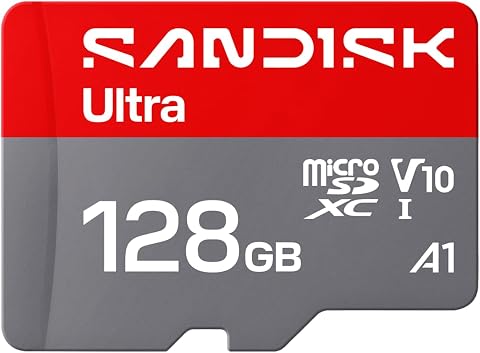
- The included memory card changes the out-of-box experience: several picks come with 128GB, while the CHORTAU V-40 and BOOGIIO include 32GB, which leaves less room for recordings before older files are overwritten.
- More cameras mean more installation work: the Eivikga A8 and Terunsoul three-channel models add cabin coverage, while the four-channel 1080p option prioritizes multiple views over front-camera resolution.
- Resolution is not the only measure of useful footage: a 4K front camera can capture finer detail, but rear coverage, usable night footage, mounting position, and file retention also shape what a recording can show.
- The lineup has distinct simplicity tradeoffs: the BOOGIIO and CHORTAU are more straightforward front-facing choices, while Wi-Fi and multi-camera systems offer more ways to review footage at the cost of added setup and configuration.
| CHORTAU V-40 2K Front Dash Cam with 32GB SD Card |  | Best Value Front-Only Pick | Video resolution: 1440p | Field of view: 170 degrees | Frame rate: 30 FPS | VIEW ON AMAZON | See Our Full Breakdown |
| 4K Dual Front and Rear Dash Cam with Free 128GB Card and 5.8GHz WiFi 6 |  | Best Overall for Front-and-Rear Detail | Front and rear resolution: 4K UHD | Front viewing angle: 170 degrees | Night vision apertures: F1.5 front, F1.8 rear | VIEW ON AMAZON | See Our Full Breakdown |
| Eivikga A8 3-Channel 4K Dash Cam with Night Vision and Wi-Fi 6 |  | Best for Rideshare and Cabin Coverage | Channels: 3: front, rear, and cabin | Video resolution: 2160p (4K UHD) | Field of view: 150 degrees | VIEW ON AMAZON | See Our Full Breakdown |
| ARIFAYZ Q4 Dual Dash Cam, 4K Front and 1080P Rear |  | Best Compact Dual-Camera Choice | Front resolution and frame rate: 4K at 30fps | Rear resolution and frame rate: 1080p at 25fps | Front field of view: 160 degrees | VIEW ON AMAZON | See Our Full Breakdown |
| Terunsoul 3-Channel 4K Dash Cam with 128GB Card |  | Best Three-View System with a Built-In Screen | Channels: 3 | Camera resolutions: 4K front, 4K rear, 1080p cabin | Viewing angles: 170 degrees front, 150 degrees rear, 150 degrees cabin | VIEW ON AMAZON | See Our Full Breakdown |
| 4K Dual Front and Rear Dash Cam with 128GB Memory Card |  | Best for High-Detail Front-and-Rear Recording | Front resolution: 3840 × 2160 | Rear resolution: 3840 × 2160 | Front field of view: 170° | VIEW ON AMAZON | See Our Full Breakdown |
| 4-Channel 1080p Dash Cam with 128GB Card, Night Vision and 5GHz Wi-Fi |  | Best for All-Sides Coverage | Camera channels: 4 | Resolution: Full HD 1080p | Coverage: Front, rear, left, and right | VIEW ON AMAZON | See Our Full Breakdown |
| SUVCON Dual Dash Cam Front and Rear 4K/1080P with WiFi, 3.94″ IPS Screen, G-Sensor, and 32GB SD Card |  | Best for a Large Built-In Screen | Front resolution: 4K | Rear resolution: 1080p | Frame rate: 30 fps | VIEW ON AMAZON | See Our Full Breakdown |
| BOOGIIO 1080p Front Dash Cam with 32GB SD Card |  | Best Simple Front-Only Pick | Video resolution: 1080p | Frame rate: 30 fps | Display: 3-inch IPS | VIEW ON AMAZON | See Our Full Breakdown |
| dash cams overall | Included storage |
|---|---|
| CHORTAU V-40 2K Front Dash Cam | 32GB SD card |
| 4K Dual Front and Rear Dash Ca | — |
| Eivikga A8 3-Channel 4K Dash C | 64GB microSD card |
| ARIFAYZ Q4 Dual Dash Cam | 64GB microSD card |
| Terunsoul 3-Channel 4K Dash Ca | — |
| 4K Dual Front and Rear Dash Ca | 128GB microSD; maximum supported capacity is listed as 512GB, with conflicting specifications |
| 4-Channel 1080p Dash Cam with | 128GB card |
| SUVCON Dual Dash Cam Front and | 32GB SD card |
| BOOGIIO 1080p Front Dash Cam w | 32GB SD card |
More Details on Our Top Picks
CHORTAU V-40 2K Front Dash Cam with 32GB SD Card
The CHORTAU V-40 keeps the setup focused: it records the road ahead at 1440p, includes a 32GB card, and adds Wi-Fi app access without requiring a rear camera installation. Its 170-degree field of view covers a broad stretch of road, while night vision and WDR help handle changing light. Compared with the ARIFAYZ Q4, it gives up rear coverage and 4K front video, but its simpler front-only arrangement suits drivers who want fewer components and a straightforward evidence camera. The tradeoffs are a 64GB storage ceiling and parking recording that starts only after an impact is detected. That makes it less suited to buyers seeking continuous parked-car surveillance or coverage of incidents behind the vehicle.
Pros:- 1440p recording paired with a wide 170-degree front view
- Night vision with IR LEDs and WDR for low-light scenes
- G-sensor locks footage when it detects a collision
- Includes a 32GB SD card and Wi-Fi app control
Cons:- Records only the front of the vehicle
- Supports memory cards only up to 64GB
- Parking monitoring records after an impact rather than continuously
Best for: Drivers who want an affordable, front-only recorder with a memory card and app access included, without installing a rear camera.
Not ideal for: Drivers who need front-and-rear evidence, larger storage capacity, or continuous parking surveillance rather than impact-triggered recording.
- Video resolution:1440p
- Field of view:170 degrees
- Frame rate:30 FPS
- Screen:1.47-inch LCD
- Connectivity:Wi-Fi
- Included storage:32GB SD card
- Maximum supported storage:64GB
- Camera position:Front
Our verdict“Choose the CHORTAU V-40 for a simple front-only setup with useful core recording features, but pick a dual-camera model if rear evidence matters.”
4K Dual Front and Rear Dash Cam with Free 128GB Card and 5.8GHz WiFi 6
This model stands out as a strong all-around choice for drivers who want 4K recording from both front and rear, rather than prioritizing extra cabin coverage. Its 170-degree front view, wide-aperture night vision, built-in GPS, and included 128GB card make it a more complete evidence setup than the front-only CHORTAU V-40. Dual-band Wi-Fi 6 is useful when you need to move clips to a phone, with stated transfer speeds up to 20MB/s. The main compromise is installation: the 24-hour parking feature requires a separately sold hardwire kit, and wiring a rear camera takes more effort than fitting a single-camera unit. Drivers needing a view inside the cabin should compare it with the Terunsoul 3-Channel, which adds interior recording but splits its resolution across three views.
Pros:- Records 4K UHD video from both front and rear cameras
- Includes a 128GB memory card and built-in GPS
- Dual-band Wi-Fi 6 supports stated transfers up to 20MB/s
- F1.5 front and F1.8 rear apertures support brighter low-light footage
Cons:- 24-hour parking monitoring requires a separate hardwire kit
- Two-camera installation is more involved than a front-only setup
- Does not record the cabin
Best for: Drivers who want detailed front-and-rear footage, GPS location data, and fast phone transfers in a two-camera system.
Not ideal for: Buyers who need cabin footage, want a plug-and-play parking setup, or prefer to avoid routing a rear-camera cable and hardwiring the vehicle.
- Front and rear resolution:4K UHD
- Front viewing angle:170 degrees
- Night vision apertures:F1.5 front, F1.8 rear
- Wi-Fi:Dual-band 5.8GHz / 2.4GHz Wi-Fi 6
- GPS:Built-in
- Included memory card:128GB
- Maximum supported card:512GB
- Parking monitoring:24-hour collision detection; hardwire kit required
- Warranty:3-year guarantee
Our verdict“Pick this model for high-resolution evidence in both directions, provided you are comfortable with a more involved installation and a separate hardwire kit for parking mode.”
Eivikga A8 3-Channel 4K Dash Cam with Night Vision and Wi-Fi 6
The Eivikga A8 is the lineup’s practical pick for drivers who need to document more than the road: it records front, rear, and cabin views and includes GPS plus a 64GB card. That interior angle is especially useful for rideshare drivers or anyone who wants a record of activity inside the vehicle. Unlike the 4K Dual Front and Rear Dash Cam, this model covers the cabin, but its stated 150-degree field of view is narrower than that competitor’s 170-degree front view, and the listing does not specify 4K resolution for every channel. Wi-Fi 6 app access, loop recording, and motion and collision detection add convenience, though parking monitoring needs a hardwire kit. Its 16.4-foot cable also makes it a poor fit for long trucks and RVs.
Pros:- Three camera views include the cabin as well as front and rear coverage
- Includes GPS and a 64GB microSD card
- Wi-Fi 6 supports app preview and footage transfer
- Parking features include motion detection, G-sensor detection, and loop recording
Cons:- Parking monitoring requires a separate hardwire kit
- The 16.4-foot installation cable is not intended for long trucks or RVs
- The stated 150-degree field of view is narrower than the 170-degree front view on the dual-camera Wi-Fi 6 model
Best for: Rideshare drivers and family-car owners who want simultaneous road, rear, and cabin footage with GPS and app access.
Not ideal for: Owners of long trucks or RVs, and buyers who prioritize 4K detail on both front and rear cameras over interior coverage.
- Channels:3: front, rear, and cabin
- Video resolution:2160p (4K UHD)
- Field of view:150 degrees
- Connectivity:5.8GHz Wi-Fi 6
- Included storage:64GB microSD card
- Maximum supported storage:256GB
- Installation cable:16.4 feet
- Parking monitoring:24-hour; hardwire kit required
Our verdict“Choose the Eivikga A8 when cabin footage is a priority, but look to a two-channel model for a wider front view and more clearly specified front-and-rear 4K recording.”
ARIFAYZ Q4 Dual Dash Cam, 4K Front and 1080P Rear
The ARIFAYZ Q4 offers a straightforward step up from a front-only recorder: 4K front video is paired with 1080p rear coverage, and the compact body can mount on the windshield or rearview mirror. Its included 64GB card, app control, and G-sensor event locking cover the essentials without the extra channels and setup demands of the Eivikga A8. The resolution split is the key compromise: the rear camera records at 1080p, unlike the dual-4K model in this roundup, so it is the less detail-focused choice for incidents behind the car. Wi-Fi connects a nearby phone but does not support remote monitoring, and there is no monitor included. Parking mode also depends on buying a separate Type-C hardwire kit.
Pros:- Captures 4K front footage and 1080p rear footage
- Includes a 64GB microSD card and supports up to 256GB
- Compact mounting options include windshield or rearview mirror
- G-sensor locks footage after a collision or sudden shake
Cons:- Rear recording is limited to 1080p
- Wi-Fi supports nearby phone connections, not remote monitoring
- Parking mode requires a separately sold Type-C hardwire kit
Best for: Drivers who want a compact front-and-rear recorder with 4K front footage, an included card, and app control for nearby clip access.
Not ideal for: Buyers who need 4K rear footage, remote access to the vehicle, an included screen, or parking mode without a separate hardwire kit.
- Front resolution and frame rate:4K at 30fps
- Rear resolution and frame rate:1080p at 25fps
- Front field of view:160 degrees
- Rear field of view:150 degrees
- Connectivity:2.4GHz Wi-Fi
- Included storage:64GB microSD card
- Maximum supported storage:256GB
- Parking mode:Requires separately sold Type-C hardwire kit
- Dimensions:3.7 × 1.8 × 1.4 inches
Our verdict“Choose the ARIFAYZ Q4 for compact, app-connected front-and-rear coverage, but step up to the dual-4K model if rear detail is a priority.”
Terunsoul 3-Channel 4K Dash Cam with 128GB Card
Terunsoul combines front, rear, and cabin recording with a 3.18-inch screen, making it the most self-contained three-view option here for drivers who want to check footage on the device. Front and rear cameras record in 4K, while the cabin camera records in 1080p and uses four IR lights for low-light interior coverage. Compared with the Eivikga A8, Terunsoul offers a larger stated front field of view, a larger included card, and a built-in screen; it also adds time-lapse parking monitoring alongside collision detection. The system still needs a separate hardwire kit for parking mode, and its three-camera installation is more involved than the ARIFAYZ Q4 two-camera setup. Its three-year guarantee and 128GB card round out a feature-rich, but more complex, choice.
Pros:- Records front and rear in 4K, plus the cabin in 1080p
- Includes a 3.18-inch screen and 128GB memory card
- Cabin IR lights and WDR support low-light recording
- Built-in GPS and dual-band Wi-Fi 6 add location and phone access
Cons:- Parking monitoring requires a separate hardwire kit
- Three-camera installation is more involved than a dual-camera setup
- The 512GB maximum card capacity may limit expansion for drivers wanting larger storage
Best for: Rideshare drivers and vehicle owners who want front, rear, and cabin footage, on-device viewing, and 4K recording from both road-facing cameras.
Not ideal for: Drivers who want a simple two-camera installation, do not need cabin recording, or want parking monitoring without buying a hardwire kit.
- Channels:3
- Camera resolutions:4K front, 4K rear, 1080p cabin
- Viewing angles:170 degrees front, 150 degrees rear, 150 degrees cabin
- Display:3.18-inch full-laminated screen
- Night vision:WDR and 4 cabin IR lights
- Wi-Fi:Dual-band 5.8GHz / 2.4GHz Wi-Fi 6
- Included memory card:128GB
- Maximum memory card capacity:512GB
- Parking monitoring:Time-lapse and collision detection; hardwire kit required
Our verdict“Pick Terunsoul if you want three camera views, a built-in screen, and 4K front-and-rear recording; choose a dual-camera model for a simpler installation.”
4K Dual Front and Rear Dash Cam with 128GB Memory Card
This is the clearest fit for drivers who want 4K capture at both ends rather than a sharper front view paired with a lower-resolution rear camera. Its wide-angle lenses, f/1.5 aperture, WDR, and starlight sensor are intended to preserve useful detail across changing light, while built-in GPS can attach location data without an add-on. The included 128GB card also gives it a more ready-to-record setup than the SUVCON Dual Dash Cam, which ships with 32GB and records 1080p at the rear. The tradeoffs are practical: the rear field-of-view and maximum card capacity have conflicting specifications, and parking mode needs a separately purchased hardwiring kit. Choose it for dual-camera resolution, not a fully equipped parking setup out of the box.
Pros:- Records 4K video from both front and rear cameras.
- Starlight sensor, WDR, and f/1.5 aperture support low-light recording.
- Built-in GPS and Wi-Fi app connectivity.
- Includes a 128GB microSD card.
Cons:- Parking mode requires a separately purchased hardwiring kit.
- Listed rear field of view and maximum supported storage specifications conflict.
Best for: Drivers who want high-resolution evidence from both the road ahead and behind, plus built-in GPS and a bundled memory card.
Not ideal for: Drivers prioritizing dependable parking surveillance without extra installation parts, or buyers who need unambiguous rear-view and storage specifications.
- Front resolution:3840 × 2160
- Rear resolution:3840 × 2160
- Front field of view:170°
- Rear field of view:150° listed; specifications conflict
- Frame rate:25 fps
- Aperture:f/1.5
- Display:3 inches
- Connectivity and GPS:Wi-Fi, USB, built-in GPS
- Included storage:128GB microSD; maximum supported capacity is listed as 512GB, with conflicting specifications
Our verdict“Pick this model if matching 4K front-and-rear recording matters more than having parking mode ready without an extra kit.”
4-Channel 1080p Dash Cam with 128GB Card, Night Vision and 5GHz Wi-Fi
When recording around the cabin matters as much as documenting the road, this four-channel setup fills a gap that dual-camera models such as the SUVCON Dual Dash Cam do not: it covers the front, rear, left, and right. That broader view can help capture activity beside the vehicle and inside it, while incident locking and loop recording help keep key clips from being overwritten during routine use. Night vision with infrared lights and WDR adds support in dim or mixed lighting, and 5GHz Wi-Fi enables app access. The compromise is that all four views are Full HD 1080p, rather than the sharper front footage offered by several 4K models in this roundup. GPS tracking and parking mode also require separate accessories, so those functions add setup steps and extra hardware.
Pros:- Four cameras cover the front, rear, left, and right sides, including the interior.
- Infrared lights and WDR support recording in low-light and uneven lighting.
- Loop recording, incident locking, and time-lapse recording are supported.
- Includes a 128GB card and 5GHz Wi-Fi app access.
Cons:- 1080p recording provides less detail than the 4K options in the roundup.
- GPS tracking requires a separately sold GPS logger.
- Parking mode requires a separately sold ACC hardwire kit.
Best for: Rideshare drivers and vehicle owners who want front, rear, side, and cabin coverage in one recording system.
Not ideal for: Drivers whose priority is maximum license-plate detail or who want GPS tracking and parking surveillance included without buying accessories.
- Camera channels:4
- Resolution:Full HD 1080p
- Coverage:Front, rear, left, and right
- Included storage:128GB card
- Wi-Fi:5GHz
- Night vision:8 infrared lights and WDR
- Recording features:Loop recording, incident lock, and time-lapse
- Parking mode and GPS:Require separately sold ACC hardwire kit and GPS logger
- App compatibility:iOS and Android
Our verdict“Choose it for all-around cabin and exterior coverage, but favor a 4K dual-camera model if image detail takes priority.”
SUVCON Dual Dash Cam Front and Rear 4K/1080P with WiFi, 3.94″ IPS Screen, G-Sensor, and 32GB SD Card
The SUVCON is a straightforward choice for drivers who want a large 3.94-inch IPS screen and a sharp front view without moving up to dual 4K recording. It captures 4K footage in front and 1080p behind, a useful split for everyday incident documentation, and its 30 fps rate is higher than the 25 fps listed for the 4K Dual Front and Rear Dash Cam with 128GB Memory Card. Wi-Fi and app control provide another way to review clips, while the G-sensor and loop recording support routine incident capture and storage management. Against that higher-resolution dual-4K alternative, SUVCON gives up rear detail and includes just 32GB of storage. Its 24-hour parking monitoring also requires a separate hardwiring kit, so it is not a no-extra-parts parking solution.
Pros:- 4K front recording pairs with a rear camera for added coverage.
- 3.94-inch IPS display is larger than the 3-inch screens listed on some alternatives.
- Wi-Fi app control, G-sensor, and loop recording are included.
- Supports 30 fps and includes a 32GB SD card.
Cons:- Rear recording is limited to 1080p, unlike the dual-4K alternative in this roundup.
- The included 32GB card offers less storage than models supplied with 128GB.
- 24-hour parking monitoring requires a separate hardwiring kit.
Best for: Drivers who prefer reviewing footage on a generous built-in screen and want 4K front recording with a rear camera for basic coverage.
Not ideal for: Drivers who need 4K detail from the rear camera, ample included storage, or parking monitoring without a separate hardwiring kit.
- Front resolution:4K
- Rear resolution:1080p
- Frame rate:30 fps
- Field of view:170° front / 150° rear
- Display:3.94-inch IPS
- Connectivity:Wi-Fi
- Included storage:32GB SD card
- Recording and safety features:G-sensor, loop recording, and 24-hour parking monitoring
- Mounting and warranty:Windshield mount; 2-year warranty
Our verdict“Choose SUVCON for its large screen and 4K front footage, but select a dual-4K model if rear-camera detail is a priority.”
BOOGIIO 1080p Front Dash Cam with 32GB SD Card
BOOGIIO keeps the setup focused: it records 1080p from the front, includes a 32GB card, and adds a 3-inch IPS display for checking footage in the vehicle. G-sensor collision recording and loop recording cover the basics of saving an incident clip while continuing routine recording; night-vision features, WDR, and HDR are also listed. This is a simpler role than the 4-Channel 1080p Dash Cam, which records front, rear, and side views, and a less detailed choice than the 4K cameras elsewhere in the roundup. The main limitation is coverage: no rear camera is specified, so it cannot document events behind the vehicle. Its listed viewing angles also conflict, with both 120° and 170° stated, making the actual scene width uncertain.
Pros:- Records 1080p video at 30 fps.
- Includes a 3-inch IPS display and a 32GB SD card.
- G-sensor and loop recording support automatic incident protection and continuous recording.
- Lists night-vision features, WDR, HDR, and motion detection.
Cons:- No rear camera is specified, limiting coverage to the front.
- Field-of-view specifications conflict, listing both 120° and 170°.
- 1080p resolution offers less detail than the 4K options in this roundup.
Best for: Drivers seeking a basic front-facing recorder with a built-in screen, included memory card, and core incident-recording features.
Not ideal for: Drivers who need rear or cabin footage, higher-than-1080p detail, or confidence in the camera’s exact field of view.
- Video resolution:1080p
- Frame rate:30 fps
- Display:3-inch IPS
- Field of view:120° and 170° listed
- Aperture:f/1.8
- Included storage:32GB SD card
- Mounting:Suction mount
- Recording features:G-sensor, loop recording, motion detection, and parking monitoring
- Image features:Night vision, WDR, and HDR
Our verdict“Pick BOOGIIO for uncomplicated front-only recording, but choose a dual- or multi-camera system if you need coverage beyond the windshield.”

How We Picked
I ranked these dash cams by how well their stated features address everyday evidence needs: front and rear coverage, resolution, included storage, connectivity, screen access, and support for cabin or multi-angle recording. I gave broader coverage and a practical out-of-box package more weight than a single headline specification, since extra cameras and high resolution are useful only when drivers can install the system and manage its files.
The ranking also reflects setup demands and buyer fit. Dual-camera models sit ahead of simpler front-only options for all-around protection, while three- and four-channel models earn a place for drivers who need more views but are not automatic upgrades for everyone. Product details provided for this roundup do not establish independent image-quality or reliability test results, so I compare stated configurations and explain where those specifications leave tradeoffs or unanswered questions.
Factors to Consider When Choosing Dash Cams Overall
Choosing among these models is less about chasing the largest resolution number and more about matching camera coverage to your vehicle, parking habits, and willingness to handle setup. I would settle the practical questions below before choosing a feature set.
Choose Coverage Based on What You Need Recorded
A front-only camera can document events ahead of the car, but it cannot record a rear impact or activity inside the cabin. A front-and-rear system is a practical middle ground for drivers seeking broader road coverage without adding an interior camera. Three-channel systems suit rideshare drivers or anyone who wants to record the cabin as well, while four-channel setups appeal to buyers who need several viewpoints. More views do not automatically mean better evidence: camera placement and unobstructed sightlines matter just as much. Before buying, check whether your vehicle layout gives each camera a clear view and whether you are comfortable routing extra cables.
Match Resolution to the Detail You Need
Higher front-camera resolution can preserve finer detail, but it does not guarantee every plate or road sign will be readable in every scene. Motion, glare, distance, a dirty windshield, and low light can all limit what footage captures. A strong front view may be a better priority for a commuter, while rideshare and family drivers may value cabin or rear coverage more than a sharper single angle. Also check the resolution of each channel: a system advertised as 4K may use a lower resolution for its rear or interior camera. Avoid paying for a high headline figure without asking how the rest of the system records.
Plan for Storage and Recording Retention
Dash cams usually record in loops, replacing older footage when the card fills, so storage capacity affects how much history remains available. A 128GB card gives more room than a 32GB card, but retention still depends on resolution, the number of active cameras, and recording settings. Multi-channel 4K recording can use space faster than a basic front camera. If you need to preserve a clip, learn how the camera locks event files and how to copy recordings before they are overwritten. Check the manufacturer’s supported card type and capacity rather than assuming any memory card will work.
Decide Whether Wi-Fi and a Screen Fit Your Routine
Wi-Fi can make it easier to view or transfer clips to a phone without removing the card, but it is not a substitute for a dependable way to save important files. App setup, connection speed, and phone compatibility affect how convenient wireless access feels, and the listed Wi-Fi band alone does not answer every compatibility question. A built-in screen lets you check framing and access controls in the car, though it adds another interface to manage. Drivers who rarely review footage may prefer a simpler camera, while those who need quick access after an incident may value direct viewing or wireless transfer. Check how recordings can be accessed before treating connectivity as a deciding feature.
Account for Installation and Parking Needs
A front camera is generally simpler to position than a system with rear and cabin units, which may need longer cable runs and more careful mounting. If you want recording while parked, confirm what hardware and power arrangement that feature requires; a dash cam’s presence alone does not guarantee parking surveillance. Hardwiring can add installation work and may affect the vehicle battery if the system is configured poorly. Drivers who do not want to route cables should favor a setup they can install safely or have professionally fitted. Check your vehicle’s windshield rules and avoid placing cameras where they obstruct the driver’s view.
Value the Complete Setup, Not One Standout Spec
Compare what comes in the box, including the memory card, the number of cameras, and any cables needed for the intended installation. An included card can reduce setup steps, but its capacity and compatibility still matter for long-term use. Multi-camera coverage may justify extra configuration for rideshare or fleet use, while it can be unnecessary complexity for a driver who only wants a record of the road ahead. Build quality, mounting stability, and clear access to recordings are practical concerns that a feature list may not settle. Choose the least complicated system that covers the situations you actually want recorded.
Frequently Asked Questions
Is a dual-camera dash cam a better choice than a front-only model?
A dual-camera model records both the road ahead and the view behind the vehicle, which can provide useful context that a front-only camera cannot capture. It is a better fit if rear impacts, tailgating, or incidents behind the car are part of your concern. The tradeoff is extra installation and cable routing, and rear footage may have different resolution from front footage. If you mainly want a simple record of the road ahead and prefer less setup, a front-only option may suit you better. Compare the full camera configuration rather than relying on the word “dual” alone.
Do I need a 4K dash cam, or is 2K or 1080p enough?
4K can preserve more image detail in suitable conditions, but it cannot eliminate blur, glare, distance, or poor camera placement. A lower-resolution camera may be adequate if your priority is a basic record of a drive rather than fine detail at a distance. Consider the recording resolution of every camera, not just the front unit, and remember that higher-resolution files take more storage. For some drivers, adding rear or cabin coverage is a more useful improvement than increasing front resolution alone. Make the choice based on the kinds of incidents you want to document.
Is the included memory card large enough, or should I get another one?
The included card may be sufficient to start recording, but how long footage stays available depends on resolution, camera count, and loop settings. A 32GB card generally provides less recording space than a 128GB card, and a multi-camera system can fill storage more quickly than a front-only one. Check the camera’s supported card capacity and type before buying a replacement. If you need to retain an incident, lock or copy the clip promptly rather than assuming it will remain on the card. Storage needs are best judged by how often you drive and how much past footage you want to keep.
Can I use a dash cam for recording while the car is parked?
Some dash cams support parking surveillance, but the camera may need a separate hardwire kit or another compatible power source to operate when the engine is off. Confirm that the exact model supports the parking mode you want and check whether the necessary hardware is included. A parked car’s battery can be affected if power management is not configured correctly. Installation also matters: the camera must be positioned to capture useful views while the vehicle is unattended. If parked recording is a priority, treat power requirements as part of the system rather than an optional detail.
Should I choose a three- or four-channel model for rideshare driving?
Cabin coverage can be useful for documenting interactions with passengers, while rear coverage records activity outside the car. A three-channel model may provide front, cabin, and rear views; a four-channel system can offer additional viewpoints, depending on its camera layout. More channels mean more footage to store and review, as well as additional installation and configuration work. Check exactly where each camera points, whether the cabin view works in low light, and how much storage the system supports. If you only need passenger-area coverage and a road view, a larger channel count may add complexity without a clear benefit.
Conclusion
For the broadest fit among these options, I recommend the 4K Dual Front and Rear Dash Cam with Free 128GB Card and 5.8GHz WiFi 6 as best overall: its front-and-rear coverage and included storage make a balanced package. The 4K Dual Front and Rear Dash Cam with 128GB Memory Card is a sensible value-oriented alternative for buyers who want dual coverage and a larger included card without needing the extra details highlighted in the Wi-Fi 6 model. For a premium-style feature set, choose the Eivikga A8 if cabin recording and three-channel coverage are worth added setup; the Terunsoul is another three-channel option. Beginners who want a simpler starting point can look at the CHORTAU V-40 or BOOGIIO, with the understanding that both record from the front only. For rideshare or broader in-car coverage, favor a three-channel pick; for multiple viewpoints, consider the four-channel 1080p system, knowing that its stated resolution is lower than the 4K-front alternatives. Pick the coverage you will use, then check installation, card support, and file access before settling on a model.
Halloween Picks
halloween
As an affiliate, we earn on qualifying purchases.