Finding the best value battery monitor shunt means balancing performance with affordability. The LiTime 500A Battery Monitor stands out for its versatility across a wide voltage range, making it suitable for various applications. The Victron Energy BMV-712 offers smart Bluetooth features at a competitive price, ideal for those who want connectivity without extra cost. Meanwhile, the Renogy 500A Monitor provides excellent compatibility with different battery types and a programmable alarm, making it a reliable all-rounder. However, buyers face tradeoffs like balancing build quality, ease of use, and cost. Continue reading for a detailed breakdown of each option and how they compare.
Key Takeaways
- Top picks balance cost with features like Bluetooth connectivity and programmable alarms.
- Higher current ratings (e.g., 500A) are common but may not be necessary for all applications.
- Build quality and ease of installation vary, impacting long-term reliability and user experience.
- Many affordable options lack advanced features, highlighting the value of smart monitoring for tech-savvy users.
- The best value shunt offers durability, versatility, and essential monitoring without overpaying for unnecessary extras.
| LiTime 500A Battery Monitor with Shunt for 8V-120V Batteries | 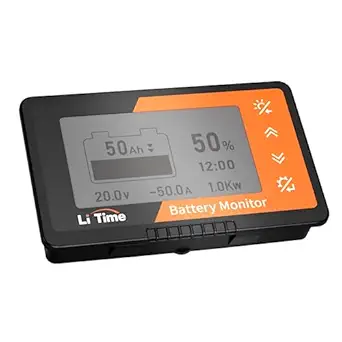 | Best Value for Versatile and Accurate Monitoring | Battery Voltage Range: 8V-120V | Current Capacity: up to 500A | Display: LCD with backlight | VIEW LATEST PRICE | See Our Full Breakdown |
| Victron Energy BMV-712 Smart Battery Monitor with Shunt |  | Best for Wireless, Detailed Monitoring | Voltage Range: 6.5-70 VDC | Additional Inputs: Battery temperature, midpoint voltage | Display: Yes | VIEW LATEST PRICE | See Our Full Breakdown |
| Victron Energy Smart Battery Shunt – Bluetooth Battery Monitor (6.5V-70V, 500A) |  | Best for Versatile, Wireless Monitoring with High Accuracy | Voltage Range: 6.5V-70V | Current: 500A | Connectivity: Bluetooth | VIEW LATEST PRICE | See Our Full Breakdown |
| Victron Energy Smart Battery Shunt – Bluetooth Battery Monitor (6.5V-70V, 300A) |  | Best for Compact, Cost-Effective Wireless Monitoring | Voltage Range: 6.5V-70V | Current: 300A | Connectivity: Bluetooth | VIEW LATEST PRICE | See Our Full Breakdown |
| Renogy 500A Battery Monitor with Shunt, Programmable Alarm, 10V-120V Range, 20ft Cable, Compatible with 12V Lithium, Sealed, Gel, Flooded Batteries |  | Best Overall Value for Versatile Battery Monitoring | Measurement Accuracy: 1% | Voltage Range: 10V-120V | Current Range: up to 500A | VIEW LATEST PRICE | See Our Full Breakdown |
| BINTA Battery Monitor with Shunt 8-120V 0-500A, Voltmeter and Ammeter for Auto, Car, RV, Boat, Solar |  | Best Value for Multi-Application Battery Monitoring | Voltage Range: 8V-120V | Current Range: 0-500A (peak), 350A (continuous) | Display Type: Backlit circular | VIEW LATEST PRICE | See Our Full Breakdown |
More Details on Our Top Picks
LiTime 500A Battery Monitor with Shunt for 8V-120V Batteries
This option stands out for its accurate measurement of voltage, current, power, and capacity across a wide voltage range, making it a strong contender for those seeking reliable data at an attractive price point. Compared with the Victron BMV-712, it offers easier installation and a more straightforward setup, though it lacks Bluetooth connectivity and advanced features. The LCD backlight enhances nighttime visibility, and its compatibility with various battery types adds versatility, but it is limited to non-marine environments. Overall, this model strikes a solid balance between affordability and functionality, especially for non-critical applications.
Pros:- Accurate and reliable measurement of key parameters
- Easy to install with clear instructions
- Backlit display for visibility in low light
Cons:- Not waterproof, limiting marine or outdoor use
- Limited to 8V-120V systems and non-marine environments
Best for: RVers, solar enthusiasts, and small system owners seeking accurate data without complex features
Not ideal for: Marine users or those requiring remote Bluetooth monitoring or advanced system integration
- Battery Voltage Range:8V-120V
- Current Capacity:up to 500A
- Display:LCD with backlight
- Alarm:Voltage and capacity alerts with buzzer
- Installation:Mountable on flat surfaces
- Included Components:LCD monitor, 500A shunt, wiring, manual
Bottom line: Ideal for users who want dependable, straightforward monitoring at a competitive price for small or non-marine systems.
Victron Energy BMV-712 Smart Battery Monitor with Shunt
Compared with the LiTime, the Victron BMV-712 offers Bluetooth connectivity and a comprehensive display that shows state of charge, voltage, and current with historical data. Its additional inputs for temperature and secondary voltage provide a more complete picture of battery health, but the installation can be complex and may require professional help. The Bluetooth feature makes it ideal for remote monitoring, especially for those who want to view detailed data on their smartphones or tablets without opening the panel. However, its higher cost and need for proper setup can be barriers for beginners. This monitor is perfect for serious system owners who want deep insights and wireless convenience.
Pros:- Wireless Bluetooth connectivity for remote monitoring
- Detailed display with historical data and charts
- Additional measurement inputs for temperature and secondary voltage
- Highly configurable and programmable
Cons:- Installation can be complex without professional help
- Requires a VE.Direct cable for full remote access
- Higher price point for advanced features
Best for: Experienced system owners needing detailed, remote monitoring via Bluetooth
Not ideal for: Beginners or users with simple setups who prefer plug-and-play solutions
- Voltage Range:6.5-70 VDC
- Additional Inputs:Battery temperature, midpoint voltage
- Display:Yes
- Connectivity:Bluetooth, VE.Direct
- Enclosure:Special housing for shunt
Bottom line: Best suited for users who prioritize detailed data and remote management over simplicity and ease of installation.
Victron Energy Smart Battery Shunt – Bluetooth Battery Monitor (6.5V-70V, 500A)
This pick makes the most sense for users who want a highly versatile Bluetooth monitor, similar to the Victron BMV-712, but with a focus on system integration and data sharing. It offers real-time insights into charge, voltage, and current, with auxiliary connections for additional sensors like temperature probes. Its 500A capacity ensures it can handle larger systems, and the VictronConnect app provides an intuitive interface for managing battery health. The main tradeoff is that full functionality depends on a smartphone, which might be inconvenient for some users. Compared to the 300A version, this model offers more headroom for larger batteries, making it the best value for expanding systems that need detailed, wireless control.
Pros:- Wireless data sharing for system-wide integration
- High-precision measurement with multiple parameters
- Auxiliary connections for sensors and additional features
- Supports larger systems with 500A capacity
Cons:- Installation complexity for beginners
- Dependent on smartphone for full operation
- Limited to Bluetooth connectivity without wired options
Best for: Owners with medium to large battery systems seeking high-precision, wireless, and system-wide compatibility
Not ideal for: Users who prefer wired monitors or have minimal system complexity needing only basic data
- Voltage Range:6.5V-70V
- Current:500A
- Connectivity:Bluetooth
- App:VictronConnect
- Additional Features:Alarm notifications, remote management
Bottom line: Ideal for system owners who want detailed, wireless monitoring across larger or more complex battery setups.
Victron Energy Smart Battery Shunt – Bluetooth Battery Monitor (6.5V-70V, 300A)
Compared to the 500A version, the Victron SmartShunt 300A offers a more affordable entry point for smaller systems, while still providing detailed insights via the VictronConnect app. Its high-precision measurement and wireless data sharing make it suitable for users who want accurate, real-time battery data without the clutter of wired systems. The smaller current capacity limits its use in larger or high-demand systems, but for many RV and small solar applications, it strikes a good balance. Installation remains straightforward for those familiar with Victron products, although beginners may face some initial setup hurdles. This model is perfect for compact systems where space and budget are considerations.
Pros:- Affordable, compact, and wireless
- High-accuracy measurement for voltage, current, and charge
- Easy to use with VictronConnect app
- Supports remote system management
Cons:- Limited to 300A capacity, unsuitable for larger systems
- Requires smartphone for full functionality
- Installation may be complex for absolute beginners
Best for: Small to medium-sized battery systems needing accurate, wireless monitoring without excess capacity
Not ideal for: Large systems or users who require wired or more extensive system integration
- Voltage Range:6.5V-70V
- Current:300A
- Connectivity:Bluetooth
- App:VictronConnect
- Additional Features:Alarm notifications, remote management
Bottom line: Best for users who want a reliable, affordable wireless monitor for small to medium systems with limited capacity needs.
Renogy 500A Battery Monitor with Shunt, Programmable Alarm, 10V-120V Range, 20ft Cable, Compatible with 12V Lithium, Sealed, Gel, Flooded Batteries
The Renogy 500A Battery Monitor stands out for its impressive measurement accuracy of 1%, making it a reliable choice for those who want precise data. Compared to the BINTA monitor, it offers more detailed programmable alarms, which are essential for protecting expensive batteries from voltage extremes. Its compatibility with a wide range of battery types and voltages, including lithium and flooded options, adds to its flexibility. However, setting it up requires some electrical knowledge, and its display brightness can be challenging in bright environments. While it excels in accuracy and versatility, the need for proper configuration makes it less suitable for complete beginners. Overall, this monitor suits users who need a dependable, adaptable device without sacrificing precision.
Pros:- High measurement accuracy (1%) for reliable readings
- Programmable high and low voltage alarms for battery protection
- Compatible with multiple battery chemistries and voltages
- Long 20ft shielded cable for flexible installation
Cons:- Requires understanding of electrical systems for correct setup
- Display brightness may be hard to see in bright sunlight
Best for: DIY enthusiasts and professionals who want detailed, accurate battery data and are comfortable with setup.
Not ideal for: Casual users or those seeking a plug-and-play solution, as the installation and setup can be complex.
- Measurement Accuracy:1%
- Voltage Range:10V-120V
- Current Range:up to 500A
- Cable Length:20ft
- Compatible Batteries:12V Lithium, Sealed, Gel, Flooded, Lead Acid, Lithium Iron Phosphate, Nickel-metal hybrid
- Display Type:LCD
Bottom line: This pick is ideal for those who value precise, customizable monitoring in a versatile package, provided they are comfortable with installation complexity.
BINTA Battery Monitor with Shunt 8-120V 0-500A, Voltmeter and Ammeter for Auto, Car, RV, Boat, Solar
The BINTA Battery Monitor offers a practical balance of features for users who need real-time data on charge, voltage, and current, making it a strong contender against more feature-rich options like Victron’s BMV-712. Its backlit circular display ensures visibility in day and night, while the auto-sleep mode conserves power. Although it caps at 500A peak current, which might be limiting for high-current setups, it covers most typical applications well. The setup requires manual calibration, which could be a hurdle for newcomers, and its relatively small display may not appeal to those who prefer larger readouts. Nonetheless, its ease of installation and clear data presentation make it a solid value for a broad range of users.
Pros:- Real-time monitoring of charge, voltage, and current
- Universal compatibility with various battery types and voltages
- Clear backlit display suitable for day and night use
- Simple installation with included cables and manual
Cons:- Limited to 500A peak current, not suitable for high-current applications
- Requires manual calibration for initial accuracy
- Small display size may be less comfortable for some users
Best for: RV owners, boaters, and small solar system users who want straightforward, reliable battery monitoring without complex features.
Not ideal for: High-current industrial setups or users needing Bluetooth connectivity, as it lacks remote monitoring options.
- Voltage Range:8V-120V
- Current Range:0-500A (peak), 350A (continuous)
- Display Type:Backlit circular
- Connectivity:3m/10ft shielded cables
- Auto Sleep Mode:Yes
- Memory:Auto-save data
Bottom line: This monitor provides reliable, easy-to-read battery data for everyday applications, especially where simplicity and affordability matter most.
How We Picked
Products were evaluated based on a combination of performance, build quality, ease of installation, and value for money. We prioritized shunts that offered reliable current measurement, compatibility with common battery types, and user-friendly features like Bluetooth or alarms. Price was a key factor, but not at the expense of durability or accuracy. We ranked products by how well they balanced these factors, ensuring each offers a distinct role—from budget-friendly options to more feature-rich monitors—so buyers can find the best fit for their specific needs.Factors to Consider When Choosing Best Value Battery Monitor Shunt
Choosing the right battery monitor shunt involves understanding key features that affect your setup’s accuracy, usability, and longevity. Beyond price, consider how the monitor integrates with your existing system, the ease of installation, and the level of monitoring detail you need. Making an informed choice involves weighing these factors against your budget to find a monitor that provides reliable data without unnecessary extras.Current Rating and Compatibility
It’s important to select a shunt that can handle your system’s maximum current. Most options in this roundup support 300A or 500A, which covers typical RV, solar, and marine setups. Choosing a higher rating than your maximum load can offer additional safety margin, but often adds cost with little practical benefit. Compatibility with your battery voltage (6V, 12V, 24V, 48V, etc.) is equally critical to ensure accurate readings and proper operation.
Connectivity and Smart Features
Bluetooth or Wi-Fi connectivity can transform a basic shunt into a smart monitoring system, providing real-time data via apps. If you’re comfortable with tech, models like the Victron BMV-712 offer seamless Bluetooth integration, making setup and monitoring straightforward. For less tech-savvy users, a simple display might suffice, but it can limit the ease of accessing data remotely. Consider your comfort level and whether remote monitoring is worth the extra cost.
Build Quality and Durability
Since shunts are often installed in harsh environments, durability matters. Look for models with corrosion-resistant materials and solid construction. Cheaper options may work initially but could fail prematurely if exposed to moisture, vibration, or temperature swings. Investing in a slightly more expensive, well-made shunt can save money long-term by reducing maintenance and replacement needs.
Ease of Installation and Use
A straightforward installation process saves time and frustration. Clear instructions, compatible wiring connectors, and compact size are signs of user-friendly design. Once installed, the monitor should be intuitive to operate, with easy-to-read displays or app interfaces. Complex setups might require professional help, which adds to overall cost and complexity.
Price and Value Balance
While budget options can be tempting, they sometimes sacrifice accuracy, durability, or features. Conversely, paying more doesn’t always guarantee better value if you don’t need advanced features. The best value monitors strike a balance—offering essential performance and features at a reasonable price, making them suitable for most common applications without unnecessary expense.
Frequently Asked Questions
Is a higher current rating shunt always better?
Not necessarily. A shunt rated for 500A can handle larger loads and offers greater safety margin for high-current systems, but if your system only draws 100A, a 300A shunt is sufficient and more cost-effective. Choosing a higher rating than needed often adds unnecessary expense and complexity. It’s best to select a shunt that matches your maximum expected load to optimize both cost and performance.
Do I need Bluetooth connectivity on my battery shunt?
Bluetooth connectivity is useful if you want real-time access to your system’s data via a smartphone app, especially for mobile or remote setups. It can simplify monitoring and troubleshooting. However, if you prefer a simple, wired display or only check your system periodically, a basic shunt without smart features may be more cost-effective. Consider your monitoring needs and comfort with technology before deciding.
Can I install a shunt myself, or do I need professional help?
Many shunts are designed for straightforward installation with basic wiring, making them suitable for DIY installation if you have some electrical experience. Clear instructions and compatible connectors help ease the process. However, if your system involves high voltages or complex wiring, hiring a professional ensures safety and proper setup, avoiding potential damage or safety hazards.
How do I choose between a 300A and 500A shunt?
The decision depends on your system’s maximum load. If you’re operating a small RV or solar setup with loads under 300A, a 300A shunt is typically sufficient and more affordable. For larger systems, such as commercial or high-capacity solar arrays, a 500A shunt provides extra headroom. Over-specifying can be unnecessary, but under-specifying risks inaccurate readings and potential system issues.
Are there maintenance concerns with battery monitor shunts?
Most shunts are low-maintenance components, but they should be kept clean and dry to prevent corrosion. Periodic checks for loose connections or corrosion are advisable, especially in moist environments. Using models with sealed or corrosion-resistant enclosures can reduce maintenance needs and extend the lifespan of your monitoring system.
Conclusion
For most users seeking the best value, the LiTime 500A Battery Monitor offers a solid combination of features, affordability, and compatibility, making it a versatile choice. Those who prioritize smart connectivity and remote monitoring should consider the Victron BMV-712 for its seamless Bluetooth integration. If durability and compatibility with various battery types are more important, the Renogy 500A Monitor provides excellent value. Beginners or those on a tight budget will find simple, reliable options in this roundup, while advanced users needing high current capacity might opt for higher-rated models. Ultimately, your choice depends on balancing features with your specific system requirements and budget constraints.