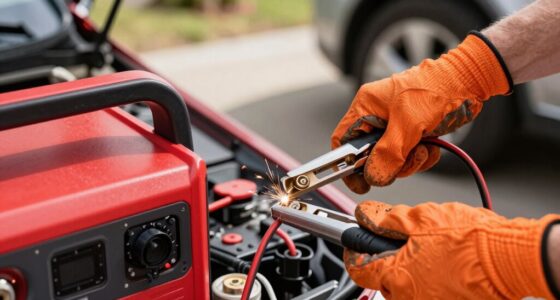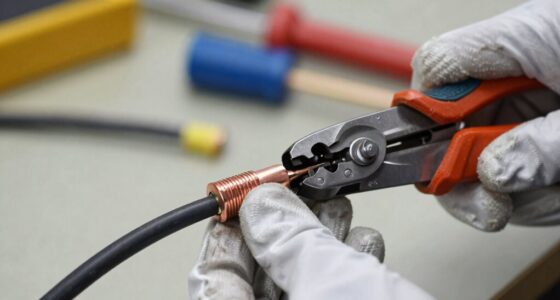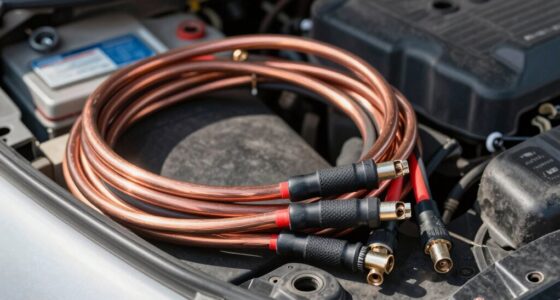
Start by buying the correct circuit breaker rated for your electrical load, as it’s your primary safety device against overloads and short circuits. Then, choose proper insulation materials and matching wires to guarantee safety, durability, and environmental protection. Grounding components come next to prevent shocks. Once these essentials are in place, focus on complying with local electrical codes and selecting additional components. Keep going to discover how to build a safe, reliable wiring system step by step.

Get business pricing on garage and car supplies
- Business-only prices and quantity discounts
- Tax-exempt purchasing
- Multiple users, one account, clear invoices
Key Takeaways
- Prioritize purchasing the correct circuit breaker rated for your specific load and circuit type.
- Secure proper wiring and insulation materials suited for indoor or outdoor environments.
- Acquire matching wire gauges and grounding components to ensure safety and compliance.
- Ensure compliance with local electrical codes before buying other components or accessories.
- Buy circuit protection devices first; insulation and wiring can be added or upgraded later as needed.
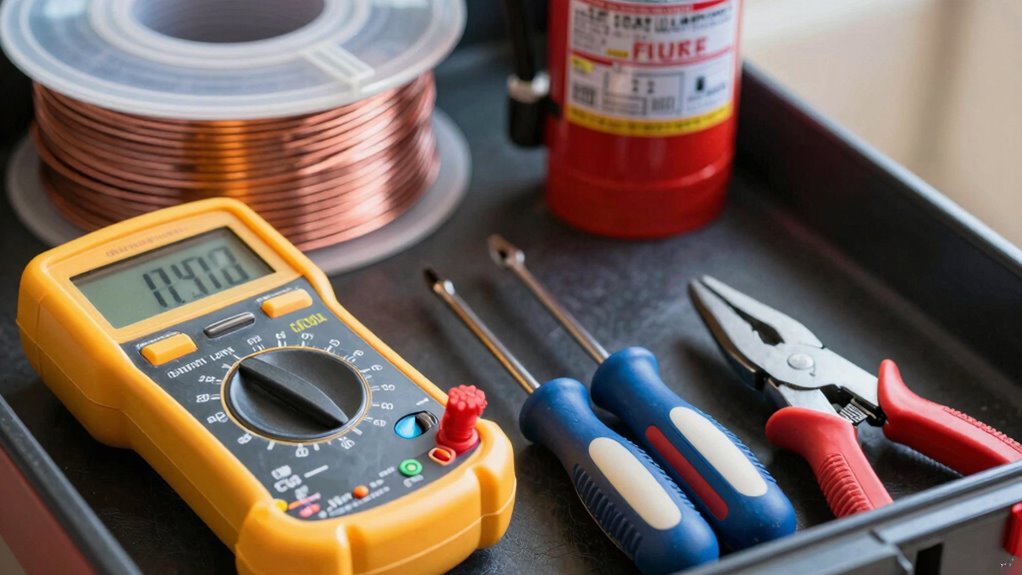
When it comes to ensuring safe wiring and fusing, starting with the right equipment is essential. Your first step should be selecting the appropriate circuit breaker. The circuit breaker acts as the main safeguard, preventing overloads and short circuits from causing damage or fires. To choose the right one, consider your electrical load and the specific circuits you’ll be powering. A correctly rated circuit breaker will trip when necessary, protecting your wiring and appliances. Don’t skimp on this; a mismatch can lead to dangerous situations. Proper circuit breaker selection ensures your system responds reliably to electrical faults, minimizing risks.
Next, you need to focus on the wiring itself, especially the wire insulation types. Different insulation materials provide various levels of protection against heat, moisture, and physical damage. For indoor wiring, thermoplastic insulation like PVC is common because it’s affordable and offers decent protection. If you’re wiring outdoors or in damp environments, consider using wires with rubber or special weather-resistant coatings. These insulation types prevent moisture ingress and resist environmental wear, extending the lifespan of your wiring system. Choosing the correct wire insulation type is vital for safety and durability, especially in areas prone to moisture or temperature fluctuations. Additionally, proper grounding and using correctly rated wires go hand-in-hand with circuit breaker selection. Grounding prevents electrical shocks and ensures that excess current has a safe path to the ground. When wiring, always match your wire gauge to the circuit’s load and the insulation type to your environment. Skipping these steps can lead to overheating, short circuits, or even fires. Proper circuit protection, insulation types, and grounding are fundamental to safe wiring practices. Also, understanding the electrical codes in your area can help ensure your wiring setup meets safety standards. Being aware of local regulations can prevent costly mistakes and ensure legal compliance. Additionally, consulting with a licensed electrician can help identify any specific code requirements that apply to your project.
circuit breaker for home electrical panel
As an affiliate, we earn on qualifying purchases.
As an affiliate, we earn on qualifying purchases.
Frequently Asked Questions
How Do I Determine the Appropriate Fuse Size for My Home?
To determine the appropriate fuse size for your home, you need to check the fuse ratings on your existing fuses or breaker panel. Make certain the fuse size matches your wiring compatibility—typically, this involves matching the fuse rating to the wire gauge and load requirements. Avoid overrating, as it can cause overheating. If unsure, consult an electrician to assess your wiring and recommend the correct fuse size for safety and efficiency.
Are There Any Safety Certifications I Should Look for in Wiring Products?
When choosing wiring products, look for those with recognized electrical safety certification standards, like UL or IEC. For example, imagine you’re installing new outlets—if the wiring isn’t certified, it could pose fire risks. Certification standards guarantee the product meets strict safety guidelines, giving you peace of mind. Always verify these markings on the packaging to confirm your wiring adheres to safety regulations and protects your home.
Can I Upgrade My Wiring and Fusing System Myself?
You can attempt a wiring upgrade yourself if you have proper knowledge of DIY electrical safety. Start by studying wiring upgrade tips to guarantee safety and compliance. Always turn off power before working and verify your work with a tester. However, if you’re unsure or uncomfortable, it’s best to hire a licensed electrician. Prioritizing safety ensures your wiring upgrade is effective and risk-free.
What Are Common Signs of Faulty Wiring Needing Immediate Attention?
You should watch for warning signs like frequent circuit breaker trips, flickering lights, burning smells, or sparks from outlets, which indicate faulty wiring needing immediate attention. Electrical hazards pose serious risks, so don’t ignore these signs. If you notice any of these issues, cut power and call a professional electrician promptly. Addressing electrical hazards early keeps your home safe and prevents potential fires or shocks.
How Often Should I Inspect or Replace Fuses and Wiring Components?
Think of fuse maintenance and wiring inspection like tending a garden—you need regular care to prevent problems. You should inspect wiring components annually or whenever you notice signs of wear, like flickering lights or sparks. Fuses should be checked every few months and replaced if they blow or show signs of damage. Staying vigilant guarantees safety and prevents costly repairs, much like a healthy garden thrives with consistent attention.
outdoor weather-resistant wire insulation
As an affiliate, we earn on qualifying purchases.
As an affiliate, we earn on qualifying purchases.
Conclusion
Prioritizing your wiring and fusing essentials guarantees safety and peace of mind, but remember, quality components outweigh quantity. While a sturdy fuse or reliable wiring may seem urgent, neglecting proper planning or skipping safety checks can lead to costly mistakes. Think of your electrical system as a delicate balance—initially fragile, yet resilient when built with care. Investing wisely now protects both your home and your peace of mind, proving that safety isn’t just about what you buy first, but what you build upon.
grounding wire and grounding clamp set
As an affiliate, we earn on qualifying purchases.
As an affiliate, we earn on qualifying purchases.
As an affiliate, we earn on qualifying purchases.
Fall Picks
fall essentials
As an affiliate, we earn on qualifying purchases.