
The hidden detail that makes inverter sizing work better is effective load management. By balancing, prioritizing, and controlling demand, you prevent overloads and optimize efficiency. Managing your loads guarantees the inverter is neither under- nor over-sized for your needs. This keeps your system running smoothly and extends its lifespan. If you want to find out how smart load strategies can make a big difference, keep exploring the key techniques that facilitate better inverter performance.
Open a free Amazon Business account
Business pricing, bulk buying and tax-exempt orders.
As an affiliate, we earn on qualifying purchases.
Key Takeaways
- Incorporating detailed load management strategies ensures inverter sizing aligns accurately with actual demand patterns.
- Considering load fluctuations and demand variability helps optimize inverter capacity without oversizing.
- Using smart load controllers enhances real-time load balancing, improving inverter efficiency and longevity.
- Prioritizing critical loads during surges prevents overloading and maintains system stability.
- Evaluating load distribution and timing during system design leads to more precise, reliable inverter sizing.
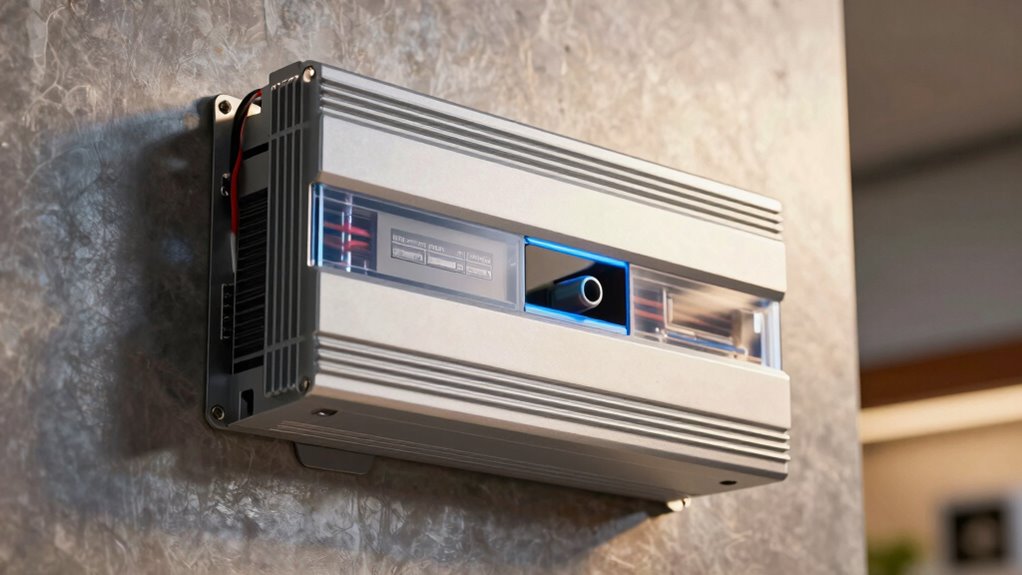
When it comes to optimizing inverter performance, there’s a vital detail that often goes unnoticed but can greatly improve sizing accuracy. That detail is understanding how load management impacts your inverter’s power efficiency. Many people focus solely on the inverter’s capacity, but neglecting how loads are distributed and controlled can lead to inefficiencies, unexpected failures, or wasted energy. Proper load management ensures you’re not pushing your inverter beyond its optimal operating range, which helps maintain high power efficiency and prolongs its lifespan.
Effective load management boosts inverter efficiency, prolongs lifespan, and prevents failures by keeping loads within optimal ranges.
By managing loads effectively, you prevent overloading during peak demand, allowing your inverter to run smoothly and efficiently. When loads fluctuate, it’s tempting to think bigger is better, but oversized inverters can waste energy in standby modes or during low demand periods. Conversely, underestimating your load can cause the inverter to operate inefficiently, increasing energy losses and reducing overall power efficiency. You need a balanced approach, where load management strategies align with your system’s capacity. This way, you’re not just sizing the inverter based on peak loads, but also considering how it handles varying demands throughout the day. Load balancing techniques are essential for optimizing overall system performance.
Implementing load management techniques, such as smart controllers or load prioritization, helps optimize power efficiency. For example, you can set your system to prioritize critical loads during power surges and shed non-essential loads when demand drops. This not only conserves energy but also ensures your inverter operates within its most efficient range. With better load management, you avoid unnecessary stress on your inverter, which minimizes energy waste and enhances overall system performance. Additionally, understanding how load management impacts efficiency can guide you in choosing the right inverter size for your specific needs. Recognizing the importance of system optimization allows you to design more resilient and energy-efficient setups.
Furthermore, incorporating effective load management can help prevent system overloads caused by unexpected demand spikes, thus safeguarding your equipment. Understanding this hidden detail allows you to fine-tune your inverter sizing process. Instead of just matching the inverter to your maximum expected load, you consider how loads are distributed, when they occur, and how they can be managed in real-time. Proper load management also plays a crucial role in energy consumption reduction, making your system more sustainable and cost-effective. The result is a system that’s more reliable, energy-efficient, and easier to maintain. When this detail is incorporated into your planning, you’ll notice a tangible difference in the power efficiency of your setup and the longevity of your equipment. Proper load management isn’t just about avoiding overloads; it’s a strategic way to ensure your inverter operates at its best, delivering consistent performance without wasting energy. This hidden step can make all the difference between a system that merely works and one that performs optimally over its lifespan.
smart load controller for inverter
As an affiliate, we earn on qualifying purchases.
As an affiliate, we earn on qualifying purchases.
Frequently Asked Questions
How Does Inverter Efficiency Impact Overall System Performance?
Inverter efficiency directly impacts your system’s performance by minimizing energy loss during conversion, which enhances energy storage and reduces power fluctuation. A highly efficient inverter guarantees more consistent power delivery, making your energy storage more reliable. This reduces strain on your system, improves overall stability, and helps you save on energy costs. When efficiency is high, your system runs smoother, providing dependable power when you need it most.
What Are Common Mistakes in Inverter Sizing Calculations?
You often make mistakes in inverter sizing by overlooking battery capacity and startup surge requirements. Failing to account for a sufficient battery capacity can lead to inadequate power during peak demand, while ignoring startup surge can cause system overloads or damage. Always guarantee your calculations include these factors, so your inverter can handle transient loads smoothly and maintain reliable performance without risking equipment failure or reduced lifespan.
How Does Ambient Temperature Affect Inverter Sizing Decisions?
Ambient effects are like the weather’s mood swings, shaping your inverter’s performance. Higher temperatures can cause the inverter to overheat, forcing you to size it larger to handle the extra heat. Temperature considerations are vital because they influence efficiency and lifespan. You need to account for ambient temperature fluctuations, ensuring your inverter can breathe freely under hot conditions without breaking a sweat, so it runs smoothly year-round.
Can Inverter Size Be Overestimated Without Negative Consequences?
Overestimating inverter size can lead to unnecessary costs, as oversized units typically cost more upfront and may operate less efficiently. While overestimation risks increased expenses, it usually doesn’t cause functional issues or damage. However, choosing a slightly larger inverter might provide better flexibility and longevity, especially if your power needs grow. Just be aware that excessive overestimation can inflate costs without significant benefits, so balance size carefully.
What Role Does Load Variability Play in Inverter Selection?
Load variability plays a vital role in inverter selection because load fluctuations and peak demand considerations directly impact inverter performance. You need to account for these variations to guarantee your inverter can handle sudden spikes in power needs without tripping or degrading. By considering load fluctuations, you choose an inverter with appropriate capacity, securing reliable operation and efficiency during peak demand, preventing overloads, and extending the inverter’s lifespan.
As an affiliate, we earn on qualifying purchases.
Conclusion
By paying attention to that often-overlooked detail in inverter sizing, you can substantially boost efficiency and reliability. In fact, studies show that proper inverter sizing reduces energy waste by up to 20%, saving you money and extending equipment lifespan. Don’t overlook this essential step—small adjustments can make a big difference. When you get it right, you’ll enjoy smoother operation and better performance, proving that sometimes, the smallest details truly make the biggest impact.
critical load prioritization device
As an affiliate, we earn on qualifying purchases.
As an affiliate, we earn on qualifying purchases.
inverter capacity monitoring tools
As an affiliate, we earn on qualifying purchases.
As an affiliate, we earn on qualifying purchases.
Labor Day sales Picks
labor day deals
As an affiliate, we earn on qualifying purchases.