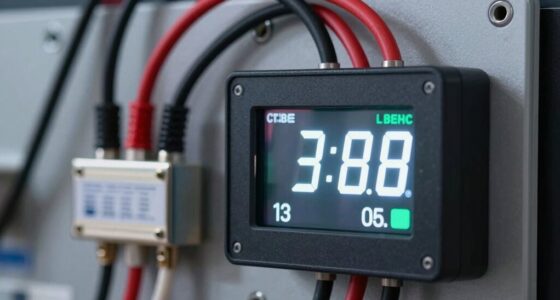
Battery sulfation begins when lead sulfate crystals form on your plates during use, especially if you don’t fully recharge. These crystals harden over time, making it harder for your battery to hold a charge or deliver power. To slow this process, make certain your battery is always fully charged, avoid deep discharges, and store it properly in cool, dry conditions. Keep exploring to discover more tips to maintain your battery’s health and extend its lifespan.
Key Takeaways
- Sulfation begins when lead sulfate crystals form during discharging and harden due to incomplete recharging.
- Consistent, full recharging prevents sulfate crystal hardening and delays sulfation.
- Regular maintenance, including cleaning terminals and checking electrolyte levels, helps slow sulfation.
- Using desulfation devices or smart chargers can reverse early sulfate buildup.
- Storing batteries in cool, dry environments reduces reaction rates and prolongs battery lifespan.
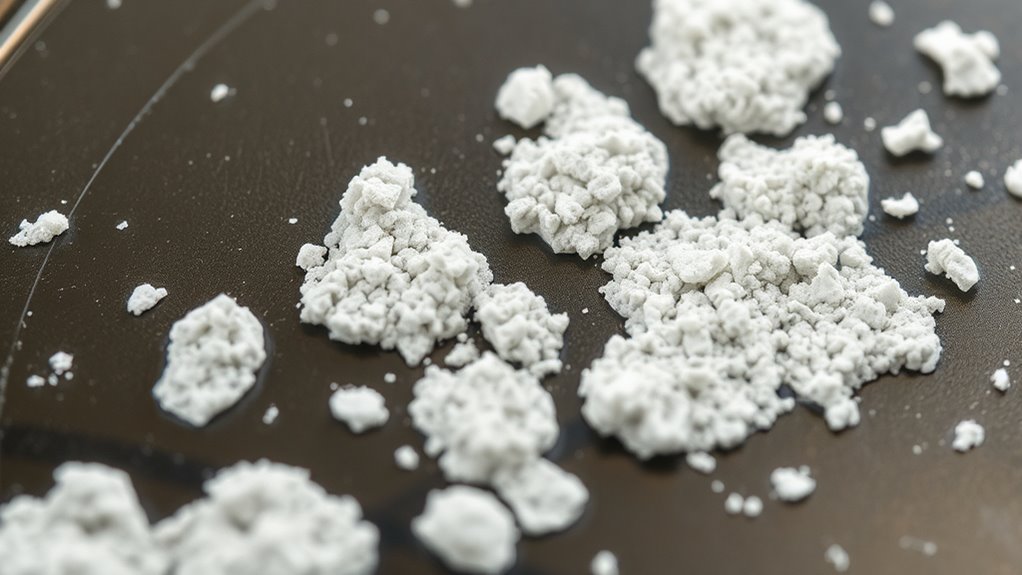
Have you ever noticed your vehicle’s battery losing its charge faster than usual? If so, you might be dealing with a common issue called sulfation, especially in lead acid batteries. Lead acid batteries are widely used because they’re affordable and reliable, but their lifespan can be markedly shortened when sulfation occurs. Sulfation happens when lead sulfate crystals form on the battery plates, which reduces the battery’s ability to hold and deliver charge effectively. Over time, these crystals build up, creating a barrier that hampers the chemical reactions necessary for the battery to function properly. This process is natural, but it accelerates under certain conditions, ultimately diminishing your battery’s overall lifespan.
To understand how sulfation starts, you need to know that lead acid batteries rely on a delicate balance of chemical processes involving lead, lead dioxide, and sulfuric acid. During normal use, the lead sulfate crystals formed during discharging are supposed to be converted back into active material during recharging. However, if the battery isn’t charged fully or regularly, these crystals can harden and become resistant to being converted back. This hardened sulfate buildup is what we call sulfation. It’s a gradual process, but once it becomes severe, it can cause the battery to lose capacity, deliver less power, or even fail entirely. Proper battery maintenance can significantly slow this process and extend the service life of your battery.
You can slow down sulfation by taking proper care of your lead acid battery. Consistent, full recharging is essential—avoid letting the battery sit in a discharged state for extended periods. Regular maintenance, like checking the electrolyte levels and keeping terminals clean, also helps prevent sulfation. Using a smart charger or a desulfation device can sometimes reverse early sulfation, restoring some of the lost capacity. It’s also wise to store your vehicle in a cool, dry place, as high temperatures accelerate chemical reactions that lead to sulfate buildup. Additionally, avoid deep discharges whenever possible; shallow cycling is gentler on the battery and helps prolong its lifespan.
Frequently Asked Questions
Can Sulfation Occur in All Types of Batteries?
Yes, sulfation can occur in all types of batteries, regardless of their chemistry. You need to follow proper maintenance practices to minimize sulfation risks, such as regular charging and avoiding deep discharges. Different battery chemistries, like lead-acid or lithium-ion, have unique susceptibilities, but sulfation is a common issue across them. Staying attentive to maintenance helps extend your battery’s lifespan and guarantees peak performance.
How Long Does It Take for Sulfation to Severely Damage a Battery?
Sulfation can swiftly turn your battery into a useless relic if ignored, sometimes in just a few months. It depends on factors like battery type, usage, and maintenance. Neglecting proper charging protocols accelerates damage, while regular battery maintenance slows it down. If sulfation persists without intervention, it can cause severe damage in as little as 6 to 12 months, making your battery nearly impossible to revive.
Are There Specific Brands More Resistant to Sulfation?
Some brands offer batteries with higher durability and better sulfation resistance, making them more resistant to damage over time. You should look for brands known for their advanced technology and high-quality materials, such as Optima, Odyssey, or Trojan. These brands typically invest in better manufacturing processes, resulting in improved sulfation resistance. By choosing reputable brands with proven durability, you can extend your battery’s lifespan and reduce the risk of sulfation-related issues.
Can Sulfation Be Reversed Completely?
You can’t always completely reverse sulfation, but reversal techniques like desulfation chargers can help improve your battery’s performance. To maximize results, focus on preventive measures such as regular charging, avoiding deep discharges, and maintaining proper electrolyte levels. These steps slow down sulfation’s progression, extending your battery’s lifespan. Remember, early intervention is key, so act promptly when you notice signs of sulfation for the best chance at reversing damage.
What Are the Early Signs of Sulfation in a Battery?
Have you noticed your battery’s performance declining unexpectedly? Early signs of sulfation include longer charging times, reduced capacity, and difficulty holding a charge. You might also see sluggish engine starts or dimming lights. Regular battery maintenance and sulfation prevention, like keeping terminals clean and avoiding deep discharges, can help. Recognizing these signs early allows you to address issues promptly, extending your battery’s lifespan and ensuring reliable performance.
Conclusion
Understanding battery sulfation helps you protect your batteries and extend their lifespan. For example, if you notice your car battery struggles to start after a long period of inactivity, sulfation could be the culprit. Regular maintenance, like keeping the battery charged and avoiding deep discharges, can slow down this process. By taking these simple steps, you guarantee your battery stays healthier longer, saving you money and avoiding unexpected failures down the road.