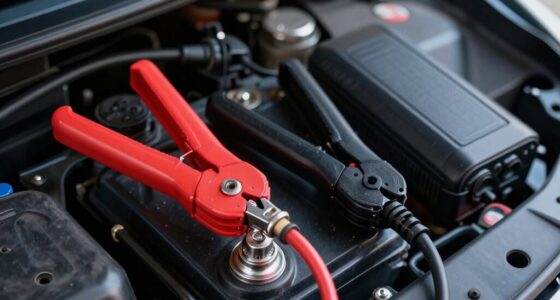

Many believe overcharging an AGM battery causes immediate damage, but that’s a myth. In reality, it’s sustained overvoltage over time, not brief spikes, that leads to heat buildup, electrolyte loss, and capacity decline. Short-term voltage slightly above recommended levels isn’t harmful if managed properly. If you want to understand what proper charging looks like and how to avoid misconceptions, keep exploring these important details.
Key Takeaways
- Overcharging an AGM battery doesn’t cause immediate damage; it leads to gradual internal stress and electrolyte loss over time.
- Proper voltage regulation during charging prevents harmful overvoltage and extends battery lifespan.
- Sustained overcharging above recommended voltage ranges causes heat buildup, electrolyte evaporation, and internal damage gradually.
- Using a quality charger designed for AGM batteries helps avoid false overcharge fears and maintains safe voltage levels.
- Occasional slight overvoltage within manufacturer specs is less harmful than continuous overcharging, which accelerates battery wear.

Many misconceptions surround the proper charging voltage for AGM batteries, leading to potential damage or reduced lifespan. It’s common for people to believe that overcharging an AGM battery will immediately ruin it, but the reality is more nuanced. Proper voltage regulation during charging is essential for maintaining your battery’s health and prolonging its lifespan. If you ignore the recommended voltage ranges, you risk diminishing your battery’s capacity over time, which can result in costly replacements.
Understanding what overcharging actually looks like can help you avoid unnecessary worry. Many think that leaving the charger on indefinitely or pushing the voltage higher than the manufacturer’s specifications will instantly damage the battery. In truth, AGM batteries are designed to handle a certain level of overvoltage, but sustained overcharging beyond the recommended voltage can cause excessive heat, electrolyte loss, and internal damage. This damage gradually reduces your battery’s ability to hold a charge, which in turn affects its overall lifespan. So, it’s not just about avoiding the word “overcharge,” but about ensuring your charger maintains proper voltage regulation.
Sustained overcharging damages AGM batteries through heat and electrolyte loss, reducing lifespan—proper voltage regulation is key.
The key to preventing damage is to use a charger that is compatible with AGM batteries and has a built-in voltage regulation feature. These chargers adjust the electrical output to stay within safe limits, ensuring your battery receives just the right amount of voltage during each charging phase. When your charger maintains proper voltage, you’re less likely to cause stress on the internal plates, which helps preserve the battery’s capacity and overall health over time. Maintaining correct voltage levels during charging also minimizes the risk of sulfation, a common cause of reduced battery lifespan, by keeping the chemical reactions inside the battery balanced. Additionally, understanding the charging process and how voltage fluctuations impact the internal chemistry can further help extend your battery’s life.
You should pay close attention to the manufacturer’s recommended charging voltage, typically around 14.4–14.8 volts for AGM batteries during the bulk and absorption phases. Charging at a voltage above this range for an extended period can accelerate wear and tear, but occasional slight overvoltage, if within limits, won’t instantly damage your battery. Instead, consistent voltage regulation ensures your AGM battery stays in prime condition longer, offering better performance and avoiding premature replacement.
In essence, the myth of overcharging as an immediate death sentence for AGM batteries isn’t accurate. It’s more about avoiding sustained or excessive voltage beyond safe limits. Proper voltage regulation, combined with a quality charger designed for AGM batteries, helps you maximize your battery’s lifespan. Keep the voltage within recommended ranges, and your AGM battery will serve you reliably for years to come, avoiding the pitfalls of false charging fears and unnecessary replacements.
Frequently Asked Questions
How Do I Identify if My AGM Battery Is Overcharged?
You can tell if your AGM battery is overcharged by monitoring its voltage during maintenance. If the voltage exceeds the recommended calibration—usually around 14.4 to 14.7 volts—you might be overcharging. Signs include excessive heat, swelling, or reduced lifespan. Regular battery maintenance involves checking voltage levels with a reliable multimeter, ensuring it stays within safe limits, and avoiding overcharging that can damage the battery over time.
Can Overcharging Damage AGM Batteries Permanently?
Overcharging can permanently damage your AGM battery, reducing its lifespan by up to 50%. Studies show that improper charging safety leads to internal damage, including sulfation and loss of capacity. Continuously overcharging causes excess heat and gas buildup, which degrade internal components. To protect your investment, always follow the recommended voltage levels and avoid overcharging, ensuring your battery’s longevity and peak performance.
What Are the Signs of Undervoltage in AGM Batteries?
If your AGM battery shows signs of undervoltage, you might notice reduced battery lifespan and decreased charging efficiency. You could see slower charging times, dimmer lights, or equipment not functioning properly. Over time, undervoltage stresses the battery, leading to capacity loss. To maintain peak performance, verify your battery stays within recommended voltage ranges, and regularly check voltage levels to prevent long-term damage and preserve its lifespan.
Are There Specific Charging Voltages for Different AGM Brands?
Yes, different AGM brands may have specific charging voltages, but generally, you should follow the manufacturer’s recommended charging standards. Voltage regulation is essential to prevent overcharging or undercharging. Always check your AGM battery’s datasheet for precise voltage guidelines, typically around 13.8 to 14.4 volts during charging. Using the correct voltage guarantees maximum performance and longevity, so adhere to the manufacturer’s specifications for safe and effective charging.
How Does Temperature Affect AGM Charging Voltage Requirements?
Temperature effects considerably influence AGM charging voltage requirements. As temperatures rise, you should lower the voltage regulation to prevent overcharging, and in colder conditions, increase it to guarantee proper charge. This adjustment helps maintain battery health and performance. Always follow the manufacturer’s guidelines and consider using a smart charger that automatically compensates for temperature changes, guaranteeing ideal charging regardless of environmental conditions.
Conclusion
Don’t let myths about charging voltages scare you away from maintaining your AGM battery properly. Overcharging isn’t as risky as many believe, as long as you monitor voltage levels and follow manufacturer guidelines. Modern chargers are designed to handle these nuances, so you don’t need to worry about damaging your battery. Trust the facts over myths—proper charging extends your AGM’s lifespan, saving you money and stress in the long run.