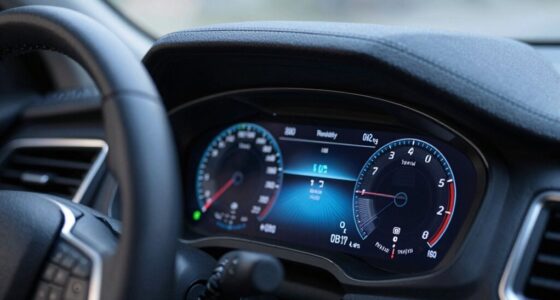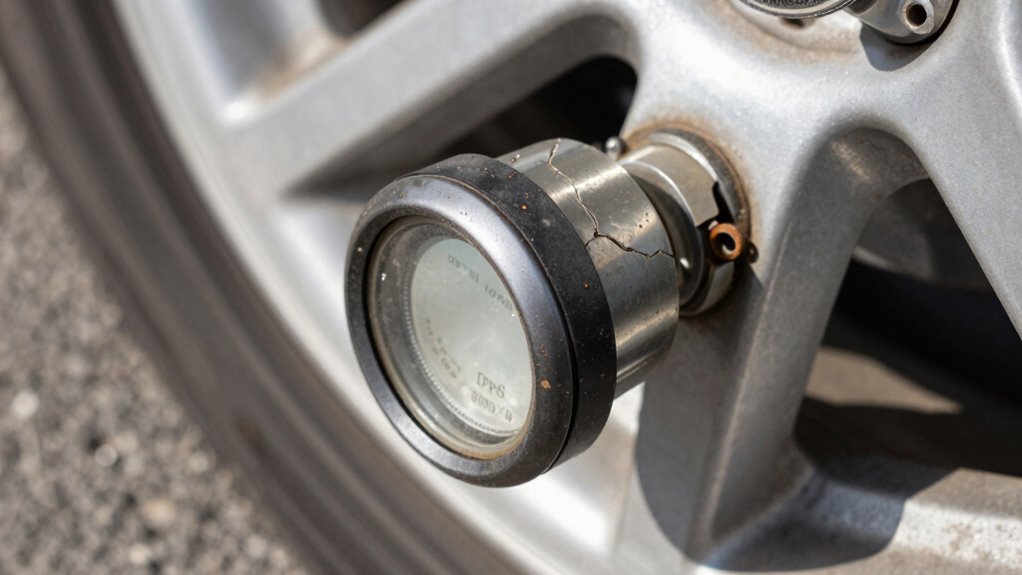

External TPMS sensors often fail early because of poor-quality batteries, environmental stress, and high power consumption. Extreme temperatures, vibrations, and shocks accelerate battery drain and can damage internal components. Using sensors with inferior materials or manufacturers with low standards leads to quicker capacity loss. To extend sensor life, you should consider higher-quality units and proper maintenance. Keep exploring to discover more insights on preventing early sensor failures and maximizing your tire monitoring system.

Get business pricing on garage and car supplies
- Business-only prices and quantity discounts
- Tax-exempt purchasing
- Multiple users, one account, clear invoices
Key Takeaways
- Low-quality batteries or sensors accelerate capacity loss, leading to early sensor failure.
- Excessive transmission frequency and high signal power drain battery life quickly.
- Harsh environmental conditions like extreme temperatures and vibrations damage internal components.
- Poor maintenance and delayed battery replacements shorten sensor operational lifespan.
- Inefficient internal components and lack of power-saving features increase energy consumption.

External TPMS batteries are a critical component that directly affects the system’s reliability and maintenance schedule. When these batteries start to weaken or fail, your entire tire pressure monitoring system can become unreliable, leading to inaccurate readings or complete sensor failures. Understanding what influences sensor longevity and how power consumption impacts battery life helps you better manage your TPMS and avoid unexpected breakdowns.
External TPMS batteries impact system reliability; monitoring their health prevents failures and maintains accurate tire pressure readings.
The lifespan of your external TPMS sensors largely depends on how efficiently they use power. Every sensor has a limited amount of energy stored within its battery, which powers its ability to send data to your vehicle’s receiver. If a sensor consumes more power than necessary, the battery drains faster. High power consumption often results from frequent transmissions, aggressive signal strength, or if the sensor’s internal components are working inefficiently. Conversely, sensors optimized for lower power consumption extend their operational life, sometimes lasting several years before needing a replacement.
Sensor longevity is also influenced by environmental factors and usage conditions. Extreme temperatures can accelerate battery drain, as cold weather slows chemical reactions inside the battery, while heat can cause internal damage over time. Road vibrations and shocks may also impact the sensor’s internal components, potentially causing premature failure. If your vehicle operates in harsh conditions, it’s wise to check your sensors more frequently, as these factors can shorten their effective lifespan regardless of power consumption efficiency.
Another key factor is the quality of the battery itself. Lower-quality batteries tend to have shorter lifespans due to inferior materials or manufacturing standards, which can result in faster capacity loss. Investing in high-quality sensors with reliable batteries can pay off in the long run by providing more consistent performance and fewer replacements. Additionally, some sensors are designed with power-saving modes that reduce transmission frequency when tire pressure is stable, conserving energy and extending sensor life.
Furthermore, understanding how battery quality impacts sensor lifespan emphasizes the importance of choosing sensors from reputable manufacturers. Ultimately, you can maximize your external TPMS sensor longevity by understanding how power consumption impacts battery life. Keep an eye on transmission intervals, avoid unnecessary sensor activity, and choose sensors with proven low power consumption features. Regular maintenance, such as inspecting sensors for damage and replacing batteries before they completely fail, helps prevent costly repairs and ensures your TPMS remains dependable. By managing these factors carefully, you ensure your system continues to operate accurately and reliably, keeping you safe on the road.
As an affiliate, we earn on qualifying purchases.
Frequently Asked Questions
Can External TPMS Sensors Be Repaired After Battery Failure?
No, external TPMS sensors generally can’t be repaired after battery failure. Once the battery dies, you’ll need to replace the entire sensor, as they are typically sealed units. However, some sensors allow for battery replacement if they’re designed for it, but this often involves sensor calibration afterward. It’s usually more practical to replace the sensor entirely to guarantee accurate readings and proper system functioning.
How Does Climate Affect the Lifespan of TPMS Batteries?
Climate impact plays a subtle role in battery degradation within your TPMS sensors. Extreme heat accelerates chemical reactions, causing batteries to wear out faster, while cold conditions slow down their performance, leading to potential early failure. You might notice sensors dying sooner in hot or freezing environments. To prolong their lifespan, consider parking in shaded areas or garage storage when possible. Climate conditions gently influence your TPMS battery’s longevity without you realizing it.
Are There Aftermarket Options to Extend Sensor Battery Life?
Yes, you can find aftermarket options to extend your TPMS sensor battery life. Look for sensors compatible with your vehicle’s make and model, and verify they have high-quality batteries. When installing, follow proper installation tips like tightening sensors correctly and avoiding exposure to extreme temperatures. These steps help maximize battery life, and choosing compatible sensors ensures your TPMS system functions reliably, saving you time and money in the long run.
What Are the Signs of a Failing TPMS Battery?
Think of your TPMS as a messenger slowly losing its voice. Signs of a failing battery include inconsistent readings, frequent sensor calibration issues, or warning lights. You might notice signal interference, like fluctuating or lost signals, indicating the sensor’s energy is waning. When these signs appear, it’s time to check your sensors, as a dying battery can compromise your vehicle’s safety and tire management.
How Often Should I Replace External TPMS Sensors?
You should replace your external TPMS sensors every 5 to 7 years, depending on usage and sensor quality. Regular sensor maintenance can help prolong their lifespan, but eventually, battery replacement becomes necessary when sensors start showing signs of failure. Keep an eye on warning lights or inconsistent readings. Timely battery replacement ensures your TPMS system stays reliable, maintaining your vehicle’s safety and performance.
As an affiliate, we earn on qualifying purchases.
Conclusion
Ultimately, your external TPMS battery life is like a delicate dance with time—each sensor’s heartbeat gradually fading without notice. By understanding the true reasons behind early death, you’re armed with the knowledge to nurture these tiny sentinels. Think of them as loyal guardians of your safety, quietly working behind the scenes. Treat them well, and they’ll serve you longer, but ignore their silent plea, and they’ll fade into the shadows, leaving you in the dark when you need them most.
TPMS sensor battery replacement kit
As an affiliate, we earn on qualifying purchases.
As an affiliate, we earn on qualifying purchases.
low power consumption TPMS sensors
As an affiliate, we earn on qualifying purchases.
As an affiliate, we earn on qualifying purchases.
Halloween Picks
halloween
As an affiliate, we earn on qualifying purchases.