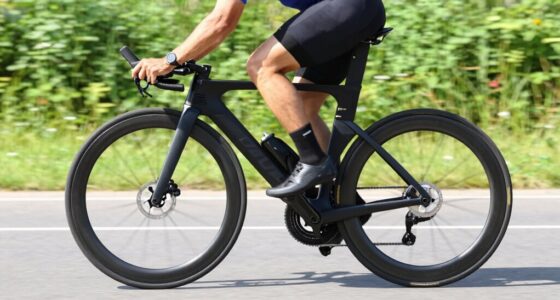

Lightweight wheels improve acceleration because they cut down on rotational mass, making it easier for your engine to spin them up quickly. They reduce rotational inertia, so your vehicle responds faster when you press the gas. Plus, lighter wheels often have aerodynamic designs that decrease drag and promote better airflow. This combination helps you accelerate more smoothly and efficiently. Want to discover how these factors work together to boost your ride’s performance? Keep exploring to find out more.
Key Takeaways
- Lighter wheels reduce rotational mass, requiring less engine effort to spin up during acceleration.
- Reduced rotational inertia allows faster throttle response and quicker vehicle acceleration.
- Aerodynamic designs in lightweight wheels decrease drag, improving overall acceleration efficiency.
- Open and ventilated lightweight wheels enhance brake cooling, maintaining consistent braking performance during rapid acceleration.
- Lower unsprung mass improves suspension response and traction, leading to better acceleration and handling.
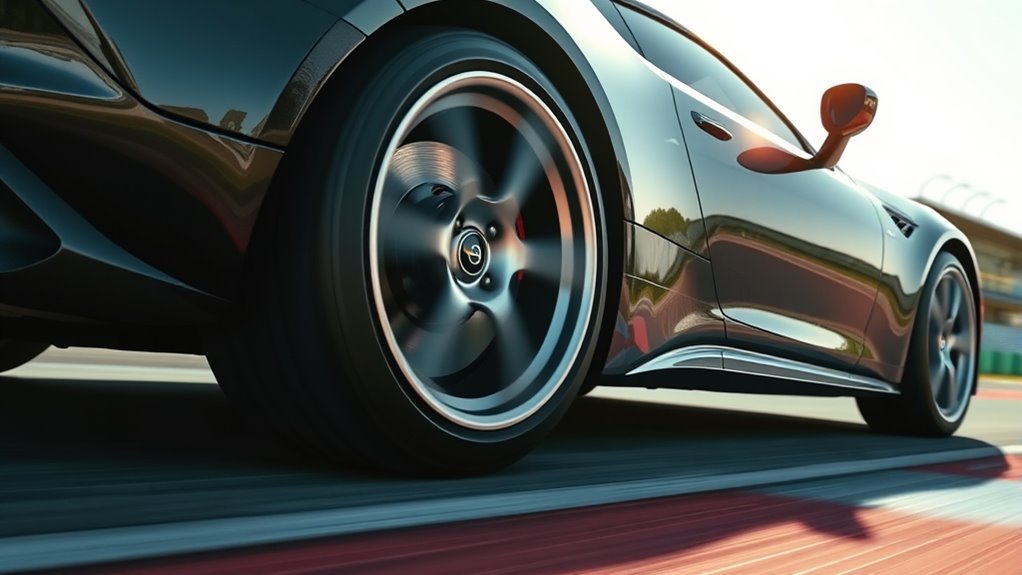
If you’re looking to boost your vehicle’s acceleration, switching to lightweight wheels can make a noticeable difference. Heavier wheels add rotational mass, which means your engine has to work harder to spin them up to speed. By reducing this mass with lighter wheels, you lessen the effort needed for acceleration, allowing your car to respond more swiftly when you press the gas pedal. This decrease in rotational inertia results in quicker throttle response and improved overall performance, especially during rapid acceleration or in stop-and-go traffic. Additionally, lightweight wheels often incorporate modern materials that can further enhance performance and durability.
Beyond just reducing weight, lightweight wheels also influence the vehicle’s aerodynamic drag. While wheels themselves aren’t the primary factor in aerodynamic drag, their design and size can impact airflow around the vehicle. Lightweight wheels often feature more aerodynamic profiles, which help streamline airflow and reduce drag forces that slow you down. Less aerodynamic drag means your engine doesn’t have to work as hard to maintain higher speeds, translating to faster acceleration and better fuel efficiency. The smoother airflow around lightweight wheels minimizes turbulence, allowing your car to cut through the air more efficiently, especially at higher velocities. Using aerodynamic wheel designs can further optimize this effect.
Lightweight wheels streamline airflow, reduce drag, and boost acceleration and fuel efficiency at higher speeds.
Another critical aspect is brake cooling. Lighter wheels often have designs that promote better heat dissipation. When you brake, friction generates heat, which can lead to brake fade if not dissipated effectively. Lightweight wheels with open-spoke or ventilated designs facilitate airflow directly over the brake components, enhancing cooling performance. This improved brake cooling helps maintain consistent braking power during aggressive driving and prevents overheating, which could otherwise compromise safety and performance. By keeping your brakes cooler, lightweight wheels contribute to more reliable deceleration, especially in situations that demand frequent or hard braking.
Switching to lightweight wheels also reduces unsprung mass—the portion of the vehicle not supported by the suspension. Less unsprung weight means your suspension can respond more quickly to road imperfections, improving handling and stability. Better handling ensures that your acceleration is more efficient because the tires maintain better contact with the road surface. This synergy between lightweight wheels, aerodynamics, brake cooling, and suspension response results in a more nimble vehicle that accelerates faster and handles more precisely. Additionally, reducing unsprung mass can lead to improved ride comfort over uneven terrain.

LUNEGUE New 19x8inch 19 Inch Premium Aluminum Alloy Wheel Rim for Toyota Camry XSE 2021 2022 2023 2024, ALY75222U46N, Direct Fit, OE Stock Specs, ET50
Alloy wheel rim fit for Toyota Camry XSE 2021 2022 2023 2024. LUNEGUE Replacement Alloy Wheel. Compare to…
As an affiliate, we earn on qualifying purchases.
As an affiliate, we earn on qualifying purchases.
Frequently Asked Questions
Do Lightweight Wheels Affect Ride Comfort?
Lightweight wheels can slightly affect ride comfort, but it depends on factors like tire compatibility and suspension adjustments. They reduce unsprung weight, making your ride feel more responsive, but if not matched properly, you might notice a bumpier or harsher ride. To keep comfort ideal, ensure your tires fit well and consider suspension tweaks. Properly paired, lightweight wheels improve performance without compromising your ride quality.
How Do Lightweight Wheels Impact Fuel Efficiency?
Lightweight wheels boost your fuel efficiency because they reduce aerodynamic drag and rolling resistance. When your wheels are lighter, your engine doesn’t have to work as hard to turn them, leading to less fuel consumption. This means smoother acceleration and better mileage, especially at highway speeds. By choosing lightweight wheels, you’re making your vehicle more efficient, saving you money on fuel, and reducing your environmental impact over time.
Are Lightweight Wheels More Prone to Damage?
Lightweight wheels aren’t necessarily more prone to damage; they’re often built with advanced materials that boost wheel durability and impact resistance. While some might worry about fragility, modern designs incorporate strong alloys that withstand rough roads and sudden impacts. You can enjoy the benefits of lighter wheels without sacrificing durability, as manufacturers focus on impact resistance, ensuring your wheels stay robust and resilient, even in challenging driving conditions.
Can Lightweight Wheels Be Used With All Tire Types?
Yes, you can use lightweight wheels with various tire types, but you need to verify tire compatibility and wheel material. Not all tires are suitable for all wheels, so make certain your tires match the wheel’s specifications. Lightweight wheels, often made from materials like aluminum or carbon fiber, work well with most tire types, but confirming compatibility ensures safe and ideal performance. Always consult your wheel and tire manufacturer guidelines.
Do Lightweight Wheels Require Special Maintenance?
Did you know that lightweight wheels can reduce your vehicle’s unsprung weight by up to 20%? You don’t need special maintenance, but you should regularly check wheel balancing to guarantee even wear and peak performance. Also, inspect brake compatibility since lighter wheels might alter braking dynamics. Keeping up with these simple checks helps maintain safety and prolongs the lifespan of your wheels and brakes.

BASENOR Wheel Covers 19 inch for Tesla Model Y Juniper Hubcap, (Proprietary & Aerodynamic Design) Replacement Hub Caps Rim Protector Compatible with Model Y Accessories 2025 2026, Black & Sliver
🌱 CERTIFIED SUSTAINABLE (Patented Proprietary Design): Precision-molded with a 1:1 factory contour to perfectly fit the 2026 Tesla…
As an affiliate, we earn on qualifying purchases.
As an affiliate, we earn on qualifying purchases.
Conclusion
When you choose lightweight wheels, you’re giving your car wings, allowing it to soar with less effort. Like shedding heavy armor, these wheels lift your acceleration, turning every press of the pedal into a swift dance across the road. They’re the secret whisper in your engine’s ear, encouraging it to breathe easier and move faster. Embrace lightweight wheels, and watch your ride transform into a lightning bolt chasing the horizon.

SONAX Beast Wheel Cleaner | Brake Dust Cleaner | Color Changing Rim Cleaner | Strong Wheel Cleaner | Easy Wheel and Rim Cleaner | Removes Baked On Brake Dust | 1 Liter | 33.8 fl oz
SAFE ON ALL FACTORY INSTALLED WHEELS: Acid-free ph balanced formula won't |damage wheels Safe on various wheel finishes…
As an affiliate, we earn on qualifying purchases.
As an affiliate, we earn on qualifying purchases.
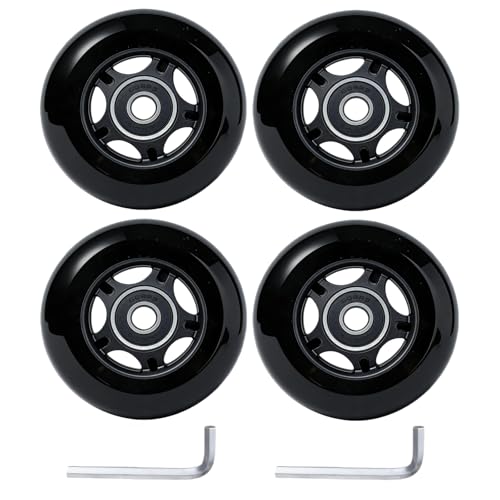
VORTRACK 4-Pack Inline Hockey Skate Wheels – 85A Durable PU Wheels with ABEC-9 608-2RS Bearings & Floating Spacers, 80/76/72/70/64mm for Blades Roller Skates, 80mm
【High-Speed & Smooth Glide – Elevate Hockey Performance】Equipped with premium ABEC-9 bearings and floating spacers, our inline hockey…
As an affiliate, we earn on qualifying purchases.
As an affiliate, we earn on qualifying purchases.