

When you’re feeling stuck alone, start by recognizing and accepting your feelings without judgment. Establish daily routines, set small goals, and develop hobbies to bring back a sense of normalcy and purpose. Practice relaxation, mindfulness, and challenge negative thoughts to boost emotional resilience. Use technology for virtual connection, join support groups, and try new activities to stay engaged. Staying consistent and patient helps, and you’ll discover practical steps to support yourself further.
Key Takeaways
- Recognize and accept feelings of loneliness to build awareness and motivate self-directed recovery efforts.
- Establish routines, set goals, and develop hobbies to create structure, purpose, and boost confidence.
- Practice self-care, mindfulness, and creative activities to enhance emotional resilience and well-being.
- Use relaxation techniques and cognitive strategies to reframe negative thoughts and reduce stress.
- Leverage technology and set small, achievable goals to foster connection, support, and personal growth.

Loneliness – Guided Meditation
As an affiliate, we earn on qualifying purchases.
As an affiliate, we earn on qualifying purchases.
Recognize and Acknowledge Your Feelings of Isolation

Recognizing and acknowledging your feelings of isolation is a vital first step toward recovery. You need to honestly identify how loneliness impacts your mental and physical health, rather than dismissing or ignoring these emotions. You can also explore digital support resources that offer guidance and connection during times of loneliness. By accepting that you’re experiencing isolation, you create awareness that can motivate change. Pay attention to the way loneliness affects your mood, motivation, and daily functioning. Understand that feeling isolated is a common experience, especially during challenging times, and it’s okay to admit it. Recognizing your emotions without judgment allows you to take control and plan effective strategies. Incorporating an understanding of home environment factors can also support your efforts to combat feelings of loneliness and create a more comforting space for yourself. Being mindful of ear wax odor and other sensory cues can help in recognizing underlying health issues that might contribute to emotional distress. Developing awareness of inner guidance can empower you to reconnect with yourself and foster resilience during difficult times. Enhancing your living space with outdoor transformation essentials can foster a greater sense of well-being and connection.

Beautiful To Do List Notebook – Aesthetic Daily Planner to Easily Organize Your Tasks And Boost Productivity – Stylish Undated ADHD Planner Gift and The Perfect School or Office Supplies For Women
Daily Focus To Stay On Track: Ready to enjoy more free time? Staying organized has never been easier…
As an affiliate, we earn on qualifying purchases.
As an affiliate, we earn on qualifying purchases.
Establish Daily Routines to Rebuild Normalcy and Purpose

Creating a consistent daily routine helps restore a sense of normalcy and purpose when you’re feeling isolated. It gives structure to your day and helps you regain control. Start by setting regular wake-up and sleep times, and plan simple activities like chores, exercise, or hobbies. This routine consistency boosts your mood and keeps you engaged. To make it easier, try this routine:
| Morning | Evening |
|---|---|
| Wake up early | Reflect on the day |
| Exercise or stretch | Prepare for tomorrow |
| Eat balanced meals | Practice relaxation |
Sticking to these routines can reduce feelings of aimlessness and loneliness. Establishing a daily schedule can also help you stay connected to your goals and priorities. Incorporating self-care routines into your day can further enhance your well-being. Developing a support system, even if it’s just a few trusted contacts, can provide emotional stability during times of solitude. Building these routines can be particularly effective because they reinforce stability and foster a sense of normalcy. Over time, they reinforce stability and help you rebuild your sense of purpose, even when no one’s around.

CYANFOUR Embroidery Kit for Beginners, 4 Stages to Learn 38 Stitches, with Step-By-Step Instructions and Clear Videos, Includes Multiple Accessories, Gift for Craft Lovers.
[ INCLUDES EVERYTHINGS YOU NEED ] Exquisite gift box contains 4 embroidered fabrics with patterns, 20 color threads,…
As an affiliate, we earn on qualifying purchases.
As an affiliate, we earn on qualifying purchases.
Engage in Self-Care Activities to Promote Relaxation and Well-Being

Engaging in self-care activities like gentle exercises, mindfulness, or creative hobbies can considerably reduce stress and boost your well-being. These practices help you relax, stay present, and foster a sense of accomplishment. Incorporate them into your routine to support emotional resilience when no one else is around. Exploring educational resources on financial and investment topics can also empower you to make informed decisions during challenging times. Understanding your hair types and how to care for them can further enhance your self-care routine by promoting healthier, more manageable hair. Additionally, adopting support breakfast techniques can be a creative outlet that fosters mental clarity and relaxation during solitary moments. Regularly practicing mindfulness can improve your overall mental health and help you better manage stress.
Relaxing Exercise Techniques
Relaxing exercise techniques are simple yet effective ways to reduce stress, improve mood, and promote overall well-being. Gentle activities like stretching, deep-breathing exercises, or slow-paced walking can help calm your nervous system and release tension. Focus on breathing deeply and evenly, inhaling through your nose and exhaling through your mouth, to signal relaxation to your body. Incorporate gentle movements or yoga poses that stretch your muscles without strain. These activities not only relax your body but also clear your mind, helping you feel more centered. Consistent practice enhances your ability to manage stress during challenging moments, making it easier to stay grounded when no one’s around. Paying attention to power and performance can help you better understand how your body responds to different exercises and optimize your relaxation routines. Recognizing the importance of reducing screen time further supports mental clarity and stress relief. Incorporate mindful breathing techniques into your routine to deepen relaxation and enhance focus. Keep it simple, listen to your body, and prioritize comfort to maximize the benefits.
Mindfulness and Meditation
Building on gentle exercises that soothe your body, practicing mindfulness and meditation offers powerful tools to calm your mind and enhance well-being. These practices help you stay present, reducing anxiety and negative thoughts that often accompany loneliness. With regular meditation, you can train your brain to respond more calmly to stress and emotional triggers. Mindfulness encourages you to observe your thoughts and feelings without judgment, fostering self-awareness and emotional regulation. Even a few minutes daily can create a sense of peace and stability. Incorporate deep breathing exercises, guided meditations, or body scans into your routine to support relaxation. These self-care activities strengthen your resilience, helping you manage feelings of isolation and maintain a positive outlook on your recovery journey. Additionally, research shows that mindfulness practices can lead to improved sleep quality, which further supports your overall well-being and recovery efforts. Practicing stress reduction techniques regularly can also enhance your immune function and emotional health over time. Establishing a consistent routine enhances the effectiveness of these activities and encourages sustained self-care habits. Incorporating mindfulness techniques into your daily schedule can deepen your sense of calm and reinforce your emotional stability. Developing a dedicated time for these activities can also foster mindfulness consistency, making the benefits more enduring.
Creative Hobbies Engagement
Creative hobbies offer a powerful way to promote relaxation and boost your well-being, especially when you’re feeling isolated. Engaging in activities like painting, playing an instrument, gardening, writing, or crafting helps shift your focus away from loneliness and reduces stress. These hobbies stimulate your mind and foster a sense of accomplishment, which can improve your mood and emotional resilience. Making time for creative pursuits also provides a routine and a safe outlet for self-expression, strengthening your mental health. Plus, you may discover new skills or passions that connect you to others online or in person. Incorporating activities like electric bikes into your routine can also promote physical activity and outdoor engagement, further enhancing your overall well-being. Additionally, these activities create moments of joy and mindfulness, helping you feel more grounded and purposeful.
- Try painting or drawing to express emotions.
- Play music or learn an instrument for relaxation.
- Cultivate a garden to nurture growth and patience.
- Write poetry, stories, or journal your thoughts.
- Engage in crafting or DIY projects for a sense of achievement.

Allura & Arcia 52 Stress Less & Self Care Cards – Mindfulness & Meditation Exercises – Anxiety Relief & Relaxation
52 EASY EXERCISES FOR EVERYONE: This unique Self Care Deck contains 52 extremely effective exercises for mindfulness, meditation,…
As an affiliate, we earn on qualifying purchases.
As an affiliate, we earn on qualifying purchases.
Practice Cognitive Strategies to Challenge Negative Thoughts

Challenging negative thoughts through cognitive strategies is a vital step in overcoming feelings of loneliness and isolation. When you notice thoughts like “I’m all alone” or “Nobody cares,” pause and examine their accuracy. Ask yourself if there’s evidence supporting or contradicting these beliefs. Often, negative thoughts are exaggerated or distorted. Replace them with more realistic, positive statements such as “I have support I can reach out to” or “I’ve overcome tough times before.” Practice mindfulness to become aware of these patterns without judgment. This process rewires your thinking, reducing the emotional impact of loneliness. Over time, it helps you develop a more balanced perspective, boosting your confidence to face solitude and fostering resilience when no immediate support is available.
Use Technology to Find Virtual Support and Connection Opportunities

When no one’s nearby, turning to technology can open doors to virtual support and connection opportunities. You can find communities, support groups, and resources that help reduce feelings of isolation. Online platforms make it easier to connect with others who understand your experiences and challenges. Engaging regularly through these channels can boost your emotional well-being and sense of belonging.
Consider exploring:
- Support groups on social media or specialized apps
- Virtual meetings for recovery programs
- Online forums dedicated to mental health or substance use
- Peer support apps offering 24/7 access
- Live webinars or workshops on coping skills
These tools help you stay connected, gain encouragement, and share your journey, even when physical distance separates you. Technology offers a crucial bridge to understanding and community.
Set Small, Achievable Goals to Foster Progress and Confidence

Setting small, achievable goals gives you a clear path forward and helps build your confidence step by step. When you break larger tasks into manageable pieces, you reduce overwhelm and create momentum. Focus on specific actions, like reaching out to one person, completing a simple task, or setting daily routines. Celebrate each success, no matter how minor, to reinforce your progress. These small wins boost your motivation and prove that change is possible, even in isolation. Remember, consistency matters more than intensity. By setting realistic goals, you establish a sense of control and purpose, which can gradually improve your mood and outlook. Over time, these incremental steps help rebuild your confidence and make bigger challenges feel more attainable.
Develop New Hobbies or Skills to Enhance Engagement and Fulfillment
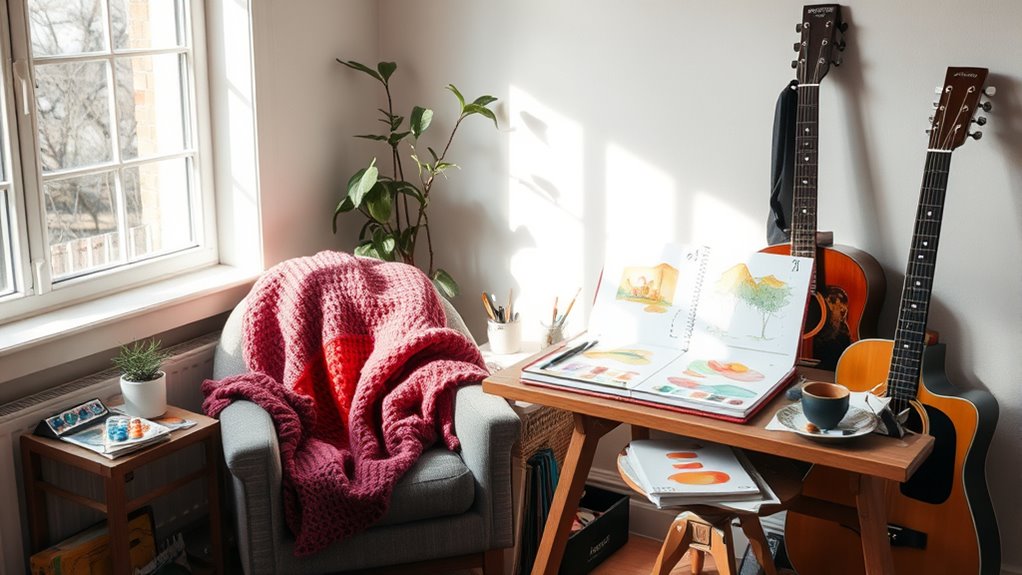
Developing new hobbies or skills can markedly boost your sense of engagement and fulfillment, especially during times of social isolation. It gives you a purpose, helps you learn, and keeps your mind active. Trying something new can also lift your mood and build confidence as you master skills over time. Whether you prefer solo activities or group classes, expanding your interests creates positive routines and connections, even virtually. Focus on activities that excite you and match your current abilities. Regular practice reinforces your progress and keeps boredom at bay. Embrace the growth process, celebrate small wins, and enjoy the satisfaction of discovering new passions.
- Learn a musical instrument or new language
- Try cooking or baking new recipes
- Explore gardening or indoor plants
- Take up painting, drawing, or craft projects
- Develop a fitness routine or yoga practice
Seek Professional Help When Self-Directed Steps Need Reinforcement

Self-directed efforts to reduce social isolation and improve recovery can be effective, but sometimes they aren’t enough on their own. When you hit a plateau or feel overwhelmed, seeking professional help can provide the reinforcement you need. Therapists, counselors, or support programs are trained to address loneliness, negative thoughts, and emotional barriers. They can help you develop personalized strategies, such as cognitive-behavioral techniques, to challenge maladaptive beliefs and improve social skills. Professional guidance can also connect you with additional resources, like peer support groups or digital platforms, expanding your support network. Remember, reaching out for help isn’t a sign of weakness—it’s a proactive step to strengthen your recovery and break free from persistent isolation. You don’t have to do it alone.
Frequently Asked Questions
How Can I Tell if My Feelings of Loneliness Are Affecting My Mental Health?
If your loneliness persists and impacts your mood, energy, or motivation, it’s a sign it’s affecting your mental health. Notice if you feel more anxious, sad, or hopeless than usual, or if you withdraw from activities you once enjoyed. Pay attention to your thoughts and physical health—persistent loneliness can worsen depression or anxiety. Seek support if you notice these signs, and remember, addressing loneliness can improve your overall well-being.
What Are Quick Ways to Boost My Motivation for Self-Care Activities?
To boost your motivation for self-care quickly, start with small, achievable goals to create a sense of success. Use positive affirmations to shift your mindset, and set a routine that includes activities you enjoy. Remind yourself of the benefits, like improved mood and energy. Connect with a supportive friend or join an online group for accountability. These simple steps can reignite your motivation and make self-care feel more manageable.
How Do I Stay Consistent With Routines During Tough Emotional Days?
On tough emotional days, you stay consistent by simplifying your routines and focusing on small, achievable steps. Remind yourself of your purpose and how these activities help you feel better. Use reminders or alarms, and don’t be hard on yourself if you miss a day. Reach out to a supportive friend or community online for encouragement. Remember, consistency builds over time, and every small effort counts toward your recovery.
Which Technology Tools Are Most Effective for Finding Peer Support?
You’ll find digital platforms like the Connections app most effective for peer support because they offer 24/7 access, connecting you with others anytime, anywhere. Many worry about privacy, but these tools prioritize confidentiality and safety. By joining online support forums, meetings, or crisis response groups, you gain continuous, accessible support that helps reduce loneliness, boost recovery, and build resilience during challenging days.
When Should I Consider Seeking Professional Help for Loneliness?
You should consider seeking professional help when your loneliness persists despite trying self-care strategies and peer support efforts, or if it begins to severely impact your mental and physical health. If feelings of isolation lead to depression, anxiety, or risky behaviors like substance use, it’s time to reach out to a mental health specialist. Professional support can provide targeted therapies, such as cognitive-behavioral therapy, to effectively address and break the cycle of loneliness.
Conclusion
Even when no one’s around, you hold the power to rebuild your sense of connection and purpose. Imagine a lonely night transformed into a moment of self-discovery, or a quiet afternoon becoming a chance to grow. Though it feels isolating, these small steps light the way toward resilience. Remember, in your solitude, you’re not truly alone—you’re forging strength, one mindful choice at a time, creating a brighter future from within.