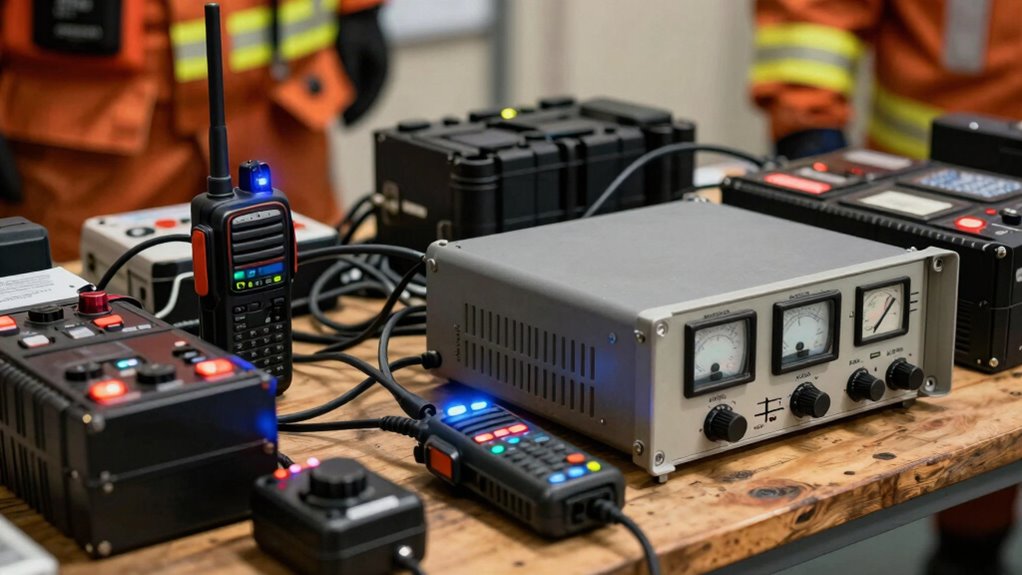

In emergency communications, you want reliable redundancy that doesn’t lead to unnecessary complexity. Focus on core systems like satellite links, backed by simple backup options such as battery packs or solar chargers. Avoid overloading with too many gadgets, which can slow response times. Instead, aim for straightforward, easy-to-maintain setups that guarantee message delivery even if components fail. Staying balanced and prepared is key—continue to discover how to make your system both simple and resilient.

Get business pricing on garage and car supplies
- Business-only prices and quantity discounts
- Tax-exempt purchasing
- Multiple users, one account, clear invoices
Key Takeaways
- Use multiple communication methods (satellite, radio, internet) to ensure message delivery without overcomplicating the system.
- Prioritize simple, reliable devices and avoid unnecessary gadgets that can hinder quick response.
- Incorporate essential redundancies, such as backup power sources, to maintain operations during outages.
- Regularly test and maintain systems to ensure redundancy measures are functional when needed.
- Focus on core, easy-to-maintain components that balance resilience with response efficiency.
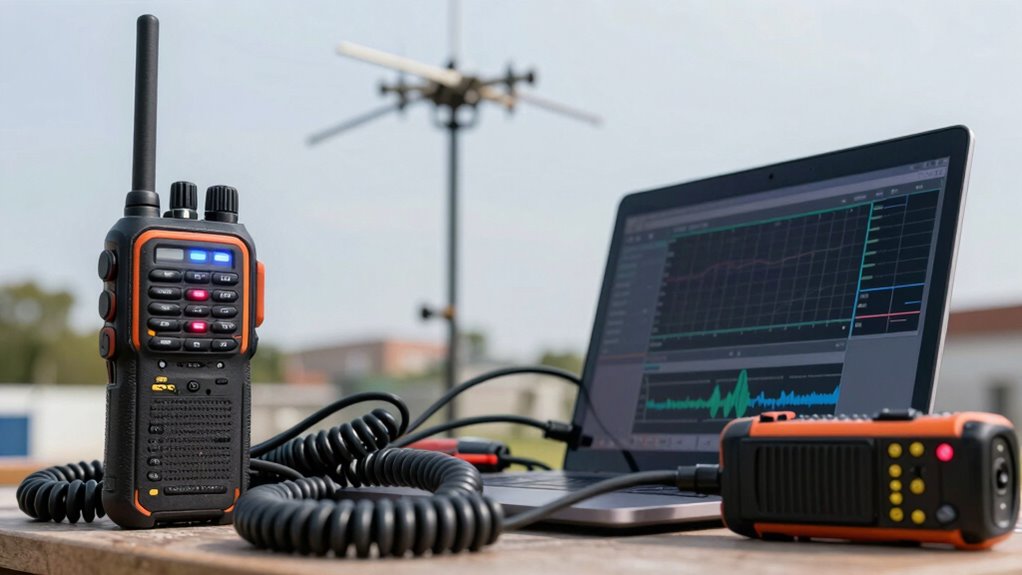
Have you ever wondered what it takes to communicate effectively during an emergency? In critical moments, reliable communication can mean the difference between safety and chaos. To guarantee your message gets through, you need more than just a single method; you require a well-thought-out system that’s resilient and adaptable. That’s where redundancy comes into play—having backup options ready when primary systems fail. But it’s equally important not to overdo it, as unnecessary complexity can hinder response times and create confusion. Striking the right balance is key.
One essential component of emergency communication is satellite communication. Unlike traditional networks that rely on local infrastructure, satellite systems operate independently of ground-based towers, making them invaluable during disasters when local networks are down. They can provide a direct link to emergency responders, command centers, or other teams regardless of terrain or infrastructure damage. Incorporating satellite communication into your emergency plan offers a robust backup, guaranteeing you stay connected even if cellular or landline services are compromised. However, satellite systems alone aren’t enough; they require reliable power sources to function. Emergency power sources—like portable generators, battery packs, or solar chargers—are indispensable to keep these systems operational during outages. Without power, even the most advanced satellite communication devices become useless.
You need to think about how your emergency power sources are integrated into your overall communication setup. For example, battery backups can keep critical devices running during short-term outages, while portable generators or solar panels can sustain systems during prolonged disruptions. Regular testing of these power sources is essential to confirm they’ll work when needed. Also, avoid overloading your system with unnecessary gadgets or redundant equipment that doesn’t add real value. Instead, focus on a core set of reliable, easy-to-maintain options that can be activated swiftly. Overcomplicating your setup can slow down response times and create confusion during the chaos of an emergency. Additionally, understanding communication system resilience can help you better prepare for unexpected failures and ensure a steady flow of information when it matters most. Proper planning for system redundancies can significantly enhance your ability to stay connected under adverse conditions, especially when considering the importance of backup communication methods. Incorporating diverse communication channels further ensures that messages reach their destination through multiple pathways, reducing the risk of complete communication breakdown. Furthermore, implementing cloud-based solutions can improve your system’s flexibility and accessibility, ensuring critical information remains available even if physical hardware is compromised.
satellite communication device for emergency
As an affiliate, we earn on qualifying purchases.
As an affiliate, we earn on qualifying purchases.
Frequently Asked Questions
What Are the Most Common Communication Failures During Emergencies?
During emergencies, you often face communication failures like blackouts and signal interference, which can disrupt essential information flow. You might experience dropped calls, lost signals, or delayed messages, making coordination difficult. These issues stem from overloaded networks, infrastructure damage, or environmental factors. To prevent this, you need backup systems and alternative methods—like radios or satellite phones—that keep communication lines open, ensuring you stay connected when it matters most.
How Do You Prioritize Communication Methods in a Disaster?
Think of communication during a disaster as a lifeline weaving through chaos. You prioritize methods that foster community engagement and guarantee message clarity, like a guiding beacon in stormy waters. Start with clear, direct channels such as radio or mobile alerts, then diversify with social media or face-to-face updates. This layered approach keeps everyone connected, preventing confusion and securing essential information reaches those who need it most, swiftly and reliably.
What Legal Considerations Exist for Emergency Communication Systems?
You must guarantee your emergency communication systems meet legal compliance and adhere to regulatory standards, such as FCC regulations or OSHA requirements. This means regularly testing and documenting your systems, obtaining necessary licenses, and maintaining secure, reliable channels. Failing to comply can lead to legal penalties and system failures during crises. Stay updated on evolving laws and standards, and consult legal experts to confirm your communication strategies align with current regulations.
How Can Technology Upgrades Be Seamlessly Integrated During a Crisis?
You can seamlessly integrate technology upgrades during a crisis by planning ahead and testing compatibility beforehand. Address integration challenges by choosing solutions that are compatible with your existing system. Keep your team informed and trained on new tools to guarantee smooth deployment. Having a clear, flexible plan minimizes disruptions, allowing you to adapt quickly despite technology compatibility issues—making your emergency communication more resilient without overcomplicating your setup.
What Training Is Necessary for Effective Emergency Communication?
You need to master communication protocols and participate in regular training drills to stay prepared. Effective emergency communication hinges on understanding clear procedures, practicing responses, and staying adaptable under pressure. By engaging in consistent training drills, you sharpen your skills and guarantee your team responds swiftly and cohesively. This ongoing preparation helps you navigate crises smoothly, making sure your message gets through when it matters most.
portable solar charger for backup power
As an affiliate, we earn on qualifying purchases.
As an affiliate, we earn on qualifying purchases.
Conclusion
In emergency communications, striking the perfect balance between redundancy and simplicity keeps you prepared without drowning in chaos. Remember, a well-planned system can be your lifeline when everything else falls apart—like a lighthouse guiding ships through a storm. Stay vigilant, keep your backup options ready, and don’t let confusion be your undoing. With the right approach, you’ll turn chaos into control, making sure your message always reaches where it needs to go—no matter what.
emergency battery pack for communication devices
As an affiliate, we earn on qualifying purchases.
As an affiliate, we earn on qualifying purchases.
handheld emergency radio with multiple channels
As an affiliate, we earn on qualifying purchases.
As an affiliate, we earn on qualifying purchases.
Columbus Day / Indigenous Peoples' Day Picks
long weekend sales
As an affiliate, we earn on qualifying purchases.