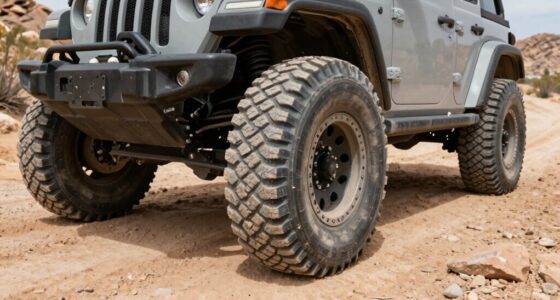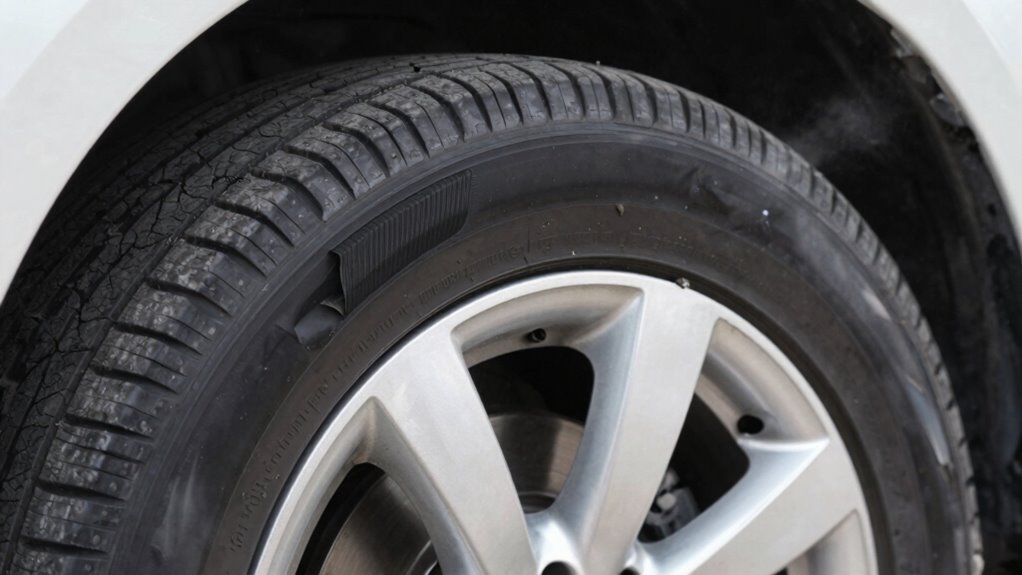

Running your tires with low pressure can cause severe bead damage, leading to separation or blowouts. It weakens the bead’s seal against the rim, makes the bead more likely to tear during mounting, and increases rim damage risks. Persistent under-inflation results in uneven wear and vulnerability to rim cracking or deformation. To prevent these dangerous issues, proper tire pressure management and avoiding common mounting mistakes are essential—keep your eyes open for the vital tips ahead.
Key Takeaways
- Under-inflation causes uneven stress at the bead area, weakening the wire and rubber seal, increasing the risk of bead separation.
- Improper rim selection and insufficient lubrication during mounting heighten the chance of bead damage and tire slippage.
- Low pressure leads to poor bead seating, causing uneven force distribution, sidewall bulges, and potential rim damage.
- Persistent under-inflation damages bead integrity over time, increasing the risk of blowouts and rim deformation.
- Regular, proper pressure maintenance and correct inflation techniques help prevent bead damage and rim separation.
The Impact of Under-Inflation on Tire Bead Integrity
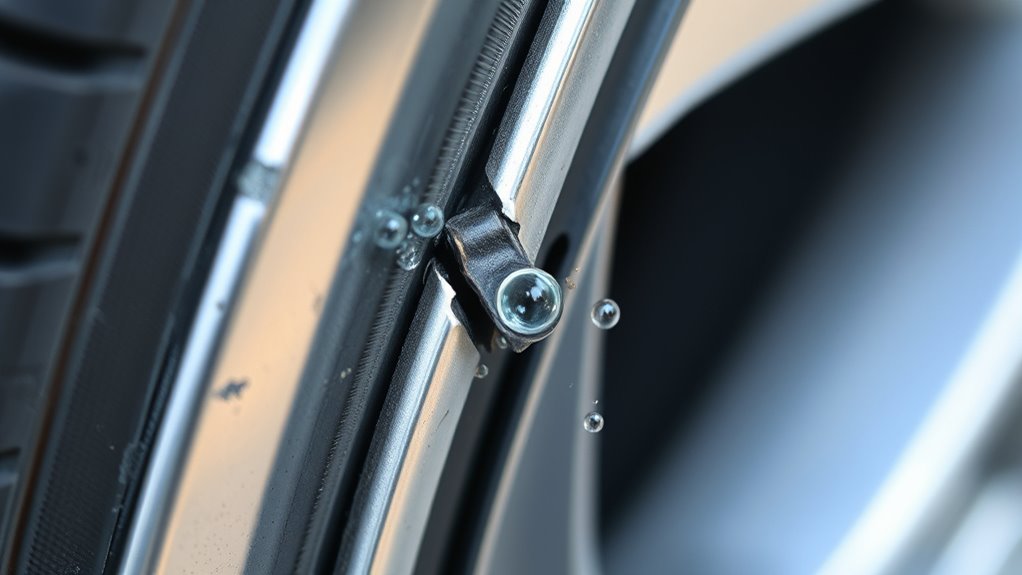
Under-inflation directly threatens your tire’s bead integrity by causing excessive stress at the bead area. When your tires aren’t properly inflated, the sidewall and bead are forced to bear more load than designed. This extra pressure weakens the bead wire and rubber seal, making them prone to fissures and cracks. Over time, these small damages can grow, leading to bead separation or failure. Insufficient pressure also prevents the bead from seating firmly against the rim, increasing the risk of movement or slipping during driving. Without proper inflation, the tire can’t maintain its shape or distribute forces evenly, accelerating wear and damaging the bead. Additionally, maintaining correct pressure is essential for optimal image quality, as under-inflation can cause uneven contact with the road surface and impact overall performance. Regularly checking and maintaining the correct pressure is essential to preserve your tire’s bead integrity, prevent costly failures, and ensure consistent performance across driving conditions.
How Low Pressure Causes Bead Separation and Tire Blowouts

When your tires are underinflated, the pressure inside drops below the level needed to keep the bead tightly sealed against the rim. Without enough pressure, the bead can’t maintain a proper seal, leading to gaps and increased movement. This slack allows the bead to shift or separate from the rim, especially during turns or sudden stops. As the bead separates, the tire loses its ability to contain air, causing rapid deflation. If ignored, this can escalate into a blowout, where the tire violently bursts off the rim. The low pressure also stresses the bead and sidewall, weakening their structure over time. Proper tire maintenance and regular pressure checks are essential to prevent such failures. Maintaining correct inflation pressure helps ensure the bead stays securely seated and reduces the risk of failure. Additionally, understanding free floating principles can help in recognizing how tires behave under different pressure conditions and prevent dangerous situations. Ensuring consistent pressure levels also contributes to the overall safety of your vehicle on the road. Regularly inspecting your tires for damage and wear can also help catch issues before they lead to bead separation.
Identifying Signs of Bead Damage From Insufficient Inflation
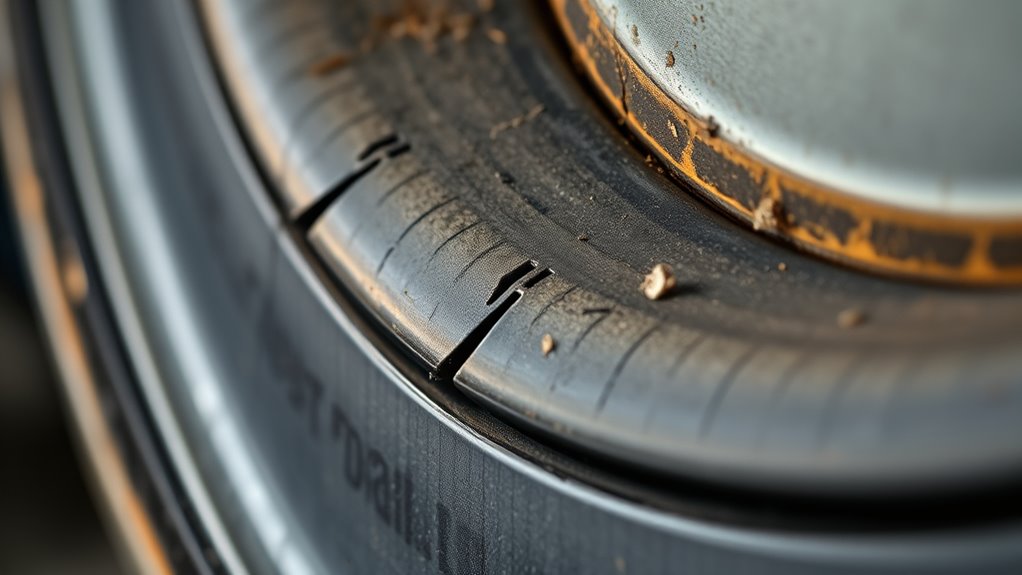
Insufficient inflation can cause visible and tangible signs of bead damage that you should watch for during regular inspections. Look for cracks or fissures around the bead area, which indicate stress from under-inflation. Check for irregular bead seating, such as gaps or uneven contact with the rim. Raised or chunked rubber along the bead ridge signals wear or separation. Be alert for bead chafing marks—abrasions or scrapes caused by movement or poor sealing. If you notice a loss of bead integrity, the tire may also show uneven wear patterns or sidewall bulges. These signs suggest the bead has been compromised, increasing the risk of failure. Regularly inspecting for these indicators helps catch damage early before it leads to blowouts or rim damage. Additionally, smart monitoring systems can now assist in detecting early signs of tire issues, including bead damage, through sensors that track pressure and structural integrity. Proper inflation and tire maintenance are essential to prevent these issues from developing in the first place. Maintaining correct air pressure levels reduces the stress that causes bead damage and prolongs tire life.
The Role of Proper Tire Pressure in Preventing Rim Damage
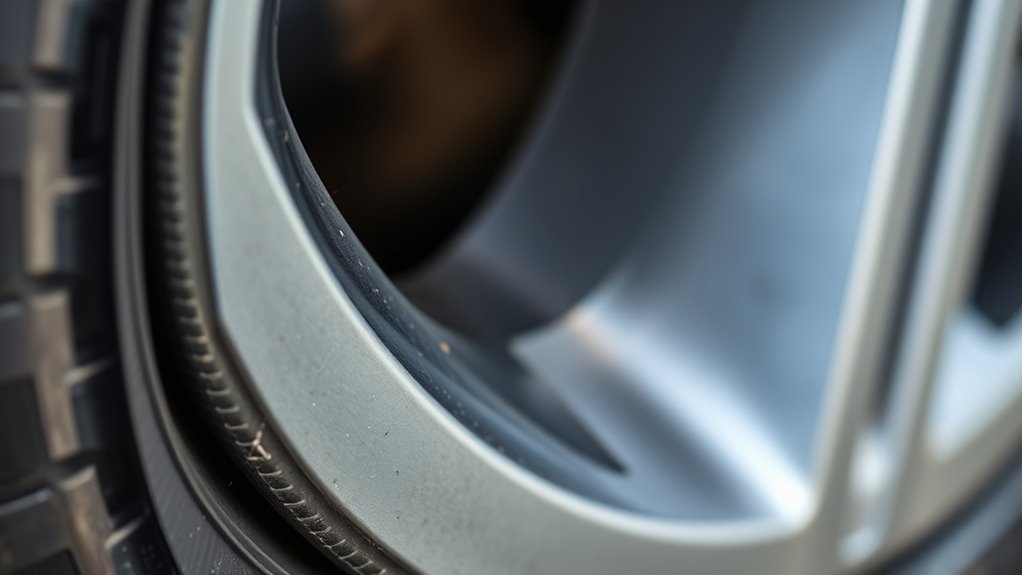
Keeping your tires properly inflated is essential to prevent rim damage and bead failure. Under-inflation weakens the bead seal and can cause separation, while over-inflation risks damaging the bead wires. Using the right tire equipment and regularly checking pressure helps you maintain correct levels and avoid costly issues. Proper load planning ensures your tires are not subjected to excessive stress, further protecting your rims. Additionally, understanding tire pressure guidelines can help you optimize inflation levels for different driving conditions. Regular pressure checks are crucial, especially when riding in changing weather, to maintain optimal performance and prevent rim damage.
Maintain Correct Inflation Levels
Maintaining the correct tire pressure is essential for preventing rim damage, as proper inflation guarantees the tire bead seals securely against the wheel. When your tires are properly inflated, the bead stays firmly seated, reducing the risk of separation or leaks. Over- or under-inflation weakens this seal and places stress on the bead and rim interface. Low pressure causes the sidewall to flex excessively, increasing the chance of bead separation during driving or inflation. On the other hand, over-inflation creates uneven pressure points, risking bead damage or breakage. Regularly check your tire pressure with a reliable gauge, especially before long trips or heavy loads. Keeping your tires inflated to manufacturer-recommended levels ensures the bead remains sealed, protecting both your tire and rim from costly damage. Additionally, proper air purifier maintenance can contribute to a healthier environment inside your vehicle, indirectly supporting tire longevity by reducing dust and contaminants that could affect tire components over time. Ensuring your tire pressure monitoring system is functioning correctly can help alert you to pressure issues before they cause damage.
Avoid Under-Inflation Risks
Proper tire pressure plays a vital role in preventing rim damage by making certain the tire bead stays securely seated on the wheel. When your tires are under-inflated, the sidewalls flex more, increasing stress on the bead and risking separation from the rim. Low pressure also causes the tire to shift during driving, which can lead to bead chafing or even bead chunking. This weakens the seal and makes it easier for the tire to pop off the rim under load or during sharp turns. Maintaining correct pressure makes sure the bead stays firmly against the rim, distributing forces evenly and preventing damage. Regularly checking and adjusting your tire pressure keeps your rims safe and extends the lifespan of your tires.
Use Proper Tire Equipment
Using the right tire equipment is essential for ensuring your tires are inflated accurately and safely. Proper tools help prevent rim damage and maintain correct pressure, reducing the risk of bead failure. Additionally, understanding the importance of floating on water can inspire better care for your tires, as proper pressure helps prevent unnecessary stress and potential damage during handling and use.
Common Mistakes That Lead to Bead Breakage During Mounting
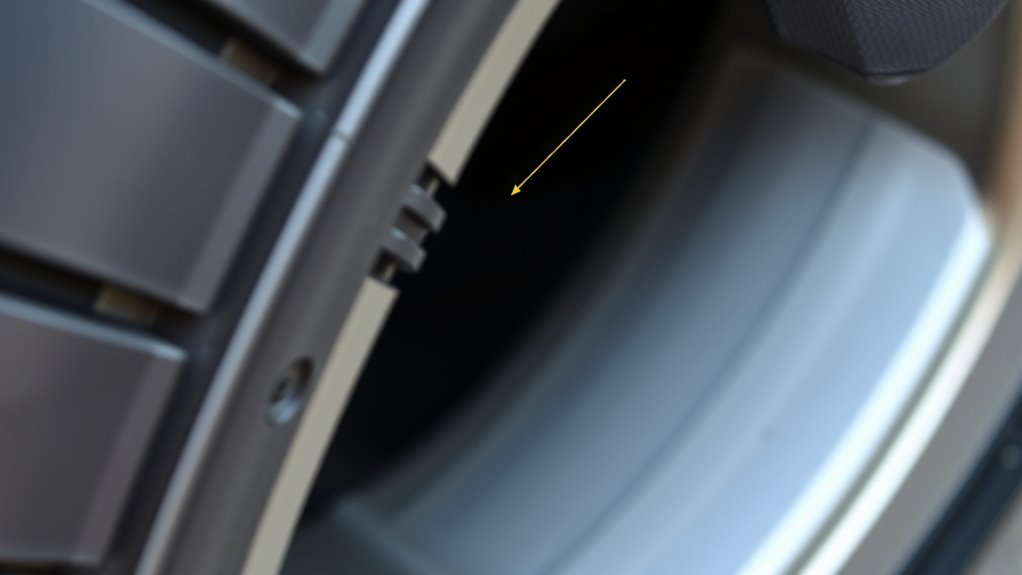
Many bead breakages happen because of improper rim selection, such as using rims that don’t match the tire size. Skipping lubrication or applying too much during mounting can cause bead wires to tear. Overinflation during mounting also puts unnecessary stress on the bead, increasing the risk of damage.
Improper Rim Selection
Choosing the wrong rim size or type for your tire can cause serious bead breakage during mounting. When you mismatch rims and tires, you risk damaging the bead area, making it prone to failure. Here are common mistakes to avoid:
- Using narrow rims with wide tires, which pinches and damages the bead.
- Mounting tires on incompatible rim diameters, causing improper seating.
- Selecting rims with corroded or damaged bead seats, compromising seal integrity.
- Choosing unsupported rim materials that don’t match the tire’s specifications, increasing stress on the bead.
These errors prevent proper bead contact and increase the risk of breakage during inflation. Always verify your rim and tire sizes, specifications, and condition before mounting to guarantee compatibility and safety.
Insufficient Lubrication Use
Proper rim and tire compatibility is vital for safe mounting, but even with the right fit, insufficient lubrication during installation can cause bead breakage. When you skip or skimp on lubricants, the bead rubber and rim surface create more friction, increasing the risk of tearing or chafing. Without proper lubrication, the bead may not slide smoothly over the rim, leading to excessive stress and potential damage. This is especially problematic with stiff or new tires. Using a quality tire lubricant or soapy water helps the bead seat properly and reduces friction. Always apply enough lubricant to both the bead and rim, ensuring a smooth, even seat during inflation. Proper lubrication minimizes bead breakage and promotes a secure, long-lasting seal.
Overinflation During Mounting
Overinflating tires during mounting is a common mistake that can cause serious bead damage. Excessive pressure puts stress directly on the bead area, increasing the risk of breakage. To avoid this, keep these points in mind:
- Use the recommended inflation pressure specified by the tire and rim manufacturer.
- Avoid over-inflating the tire before seating it fully on the rim.
- Apply proper lubrication to reduce friction during mounting, preventing bead damage.
- Never use excessive force or pressure when inflating; gradual inflation helps the bead seat evenly.
Overinflation causes the bead wire to stretch or break, leading to compromised sealing and potential bead failure. Proper inflation techniques are essential to protect your tires during mounting.
Overinflation vs. Under-Inflation: Risks to Bead and Rim Safety
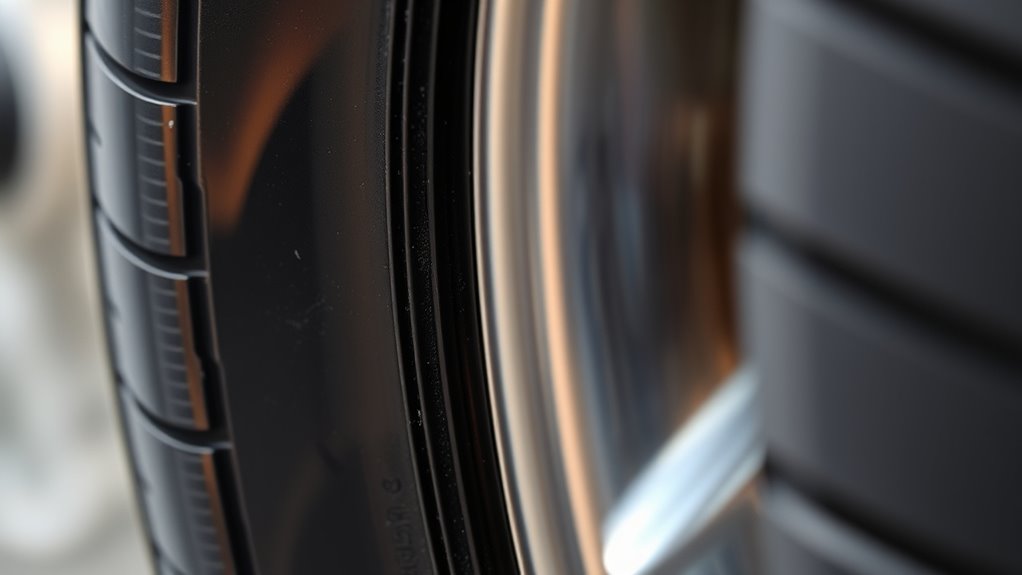
Overinflation and under-inflation both pose significant risks to your tire’s bead and rim safety. Overinflating causes excessive pressure on the bead area, increasing the chance of bead chafing, cracks, or even rupture. It can also stretch the bead and sidewall beyond their design limits, weakening the seal against the rim. Conversely, under-inflation reduces tire support, causing the bead to sit improperly on the rim. This misalignment leads to uneven wear, increased heat buildup, and a higher likelihood of bead separation during operation. Both issues compromise the integrity of the tire-rim interface, risking blowouts or separation. Maintaining the correct pressure per manufacturer specifications guarantees the bead seats properly, preventing damage and promoting safe, reliable driving.
The Dangers of Running Tires Below Recommended PSI

Running your tires below the recommended PSI puts extra stress on the bead area, increasing the risk of seal failure. This under-inflation also raises the chance of a blowout, which can be dangerous at high speeds. Maintaining proper pressure is essential to prevent these issues and keep your tires safe. Additionally, proper tire maintenance helps ensure your tires last longer and perform optimally. Being attentive to pressure monitoring can help avoid dangerous situations caused by under-inflation. Regularly checking your tire pressure with reliable gauges is a simple yet effective way to prevent these low-pressure problems. Ensuring your tire integrity is maintained through proper inflation can significantly reduce the risk of tire bead separation and other failures. Consistent inflation management is key to preserving the overall safety and longevity of your tires.
Increased Bead Stress
Did you know that driving with tires below the recommended PSI can considerably increase bead stress? When pressure drops, the bead’s grip on the rim weakens, leading to higher stress levels. This increased stress can cause the bead to deform or crack over time, risking separation. Here are four key effects:
- Uneven bead contact—reduces sealing force, risking leaks.
- Increased bead flexing—wears down bead materials faster.
- Rim bead damage—caused by constant movement and stress.
- Higher risk of bead chunking—where rubber chunks break off from the bead area.
Maintaining proper PSI isn’t just about inflation; it’s essential for evenly distributing stress and preserving the integrity of your tire’s bead.
Tire Seal Failure
Lower PSI levels cause your tires to lose their ability to form a proper seal against the rim, increasing the risk of seal failure. When pressure drops below recommended levels, the bead no longer presses firmly against the rim, allowing air to escape. This weak seal can lead to slow leaks that are hard to detect, gradually reducing tire pressure over time. As pressure decreases, the risk of rim corrosion and bead chafing rises, further compromising the seal. Running under-inflated tires also makes it easier for debris or corrosion to interfere with the seal’s integrity. Proper tire maintenance is essential to prevent these issues and ensure safety on the road. Over time, persistent seal failure can cause uneven wear, increased heat buildup, and potential tire separation. Regularly checking and maintaining proper PSI helps guarantee a tight, reliable seal and prolongs your tire’s lifespan. Additionally, maintaining correct pressure supports your vehicle’s overall performance and fuel efficiency, reducing long-term costs.
Higher Blowout Risk
Have you ever considered how driving with tires below the recommended PSI considerably increases the risk of a blowout? When your tires are underinflated, the sidewalls flex more, generating excess heat that weakens the rubber. This stress can cause sudden tire failure, especially at high speeds.
- Increased heat buildup accelerates tire deterioration.
- The bead may lose its seal, risking sudden separation.
- Sidewall damage becomes more likely, leading to fissures.
- The tire’s structural integrity diminishes, raising blowout chances.
Running underinflated tires compromises safety by making blowouts more probable. Regularly checking and maintaining proper PSI prevents unnecessary stress on your tires, helping you avoid dangerous blowouts and potential accidents.
Preventative Measures to Protect Your Tire Beads in Cold Weather
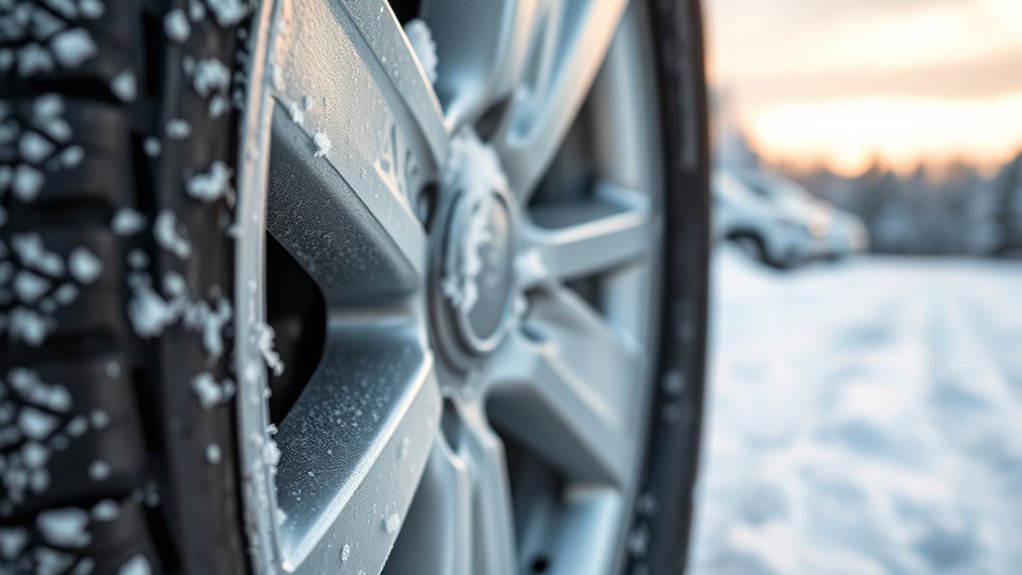
As temperatures drop, your tires face increased risks of bead failure and seal loss due to contraction of the air inside. To prevent this, regularly check and maintain proper inflation levels, especially before winter sets in. Use a reliable tire gauge to ensure your tires are inflated according to the manufacturer’s recommendations. Consider installing tire pressure monitoring systems (TPMS) if you don’t already have them, as they provide real-time pressure alerts. Keep your wheels clean and free of corrosion, which can impair the bead seal. Store your tires in a cool, dry place when not in use, and avoid exposing them to extreme cold for extended periods. Proper maintenance and vigilance help keep your beads seated, reducing the risk of leaks and blowouts during cold weather.
How to Properly Check and Maintain Tire Pressure for Bead Longevity
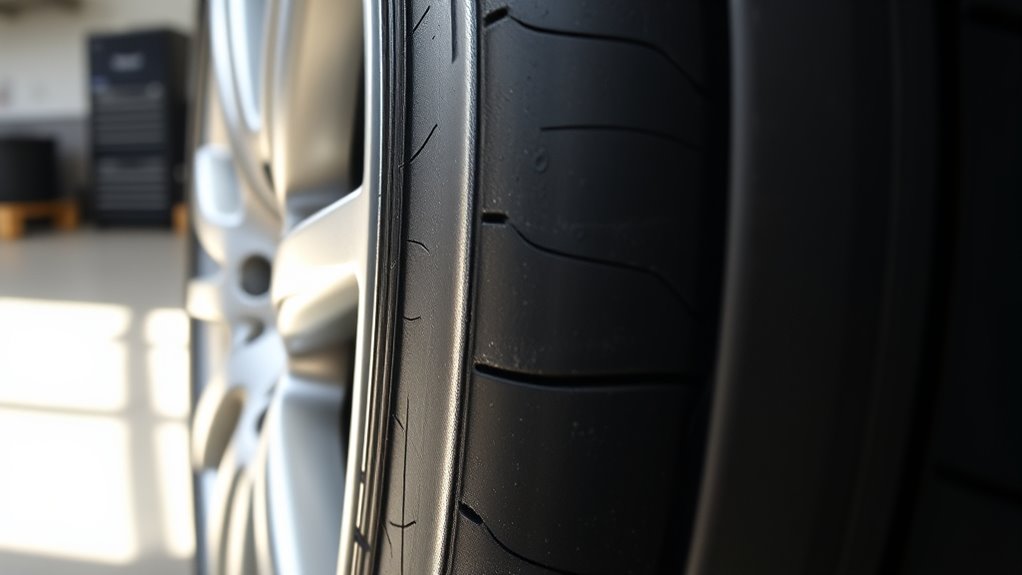
Maintaining proper tire pressure is key to ensuring your tire beads stay sealed and avoid premature wear or failure. Correct pressure helps the bead seat properly on the rim, preventing leaks and separation. To do this effectively:
- Check pressure regularly with a reliable gauge, ideally once a month.
- Use the recommended PSI listed on the tire sidewall or vehicle door jamb.
- Adjust pressure when tires are cold; driving heats tires and gives false readings.
- Inspect for leaks by listening for hissing sounds or applying soapy water around the valve stem and bead area.
Consistent, accurate pressure maintenance reduces stress on the bead, extends tire life, and minimizes the risk of debonding, especially during temperature changes or heavy use.
The Link Between Low Pressure, Rim Damage, and Tire Separations

Low tire pressure directly contributes to rim damage and increases the risk of tire separation. When your tires are underinflated, the bead doesn’t seat properly against the rim, causing uneven stress and potential damage to the rim’s surface. Over time, this can lead to corrosion, bent rims, or weak spots that compromise the seal. Low pressure also causes excessive flexing of the sidewall, which pushes against the rim edge and wears down the bead area. This wear weakens the bead’s integrity, making it more prone to slipping or breaking during driving. Ultimately, the combination of rim damage and insufficient pressure increases the likelihood of tire separation, blowouts, and even accidents. Regularly checking and maintaining proper inflation is vital to protect your rims and ensure tire safety.
Frequently Asked Questions
How Does Cold Weather Affect Tire Bead Sealing and Pressure?
Cold weather causes your tire pressure to drop because the air inside contracts. This reduced pressure weakens the bead’s seal against the rim, increasing the risk of leaks or bead separation. You should check your tire pressure regularly during colder months and make certain it stays within the recommended range. Proper inflation helps maintain a strong seal and prevents low-pressure issues that can lead to tire failure.
Can Improper Mounting Techniques Cause Bead Failure?
A stitch in time saves nine, and proper mounting techniques are vital to prevent bead failure. If you mount tires on mismatched rims or without lubrication, you risk damaging the bead wires or causing improper seating. Overinflating or mounting on narrow rims also weakens the bead, leading to potential separation. Always follow correct procedures, guarantee proper rim compatibility, and use lubricant to protect the bead and extend tire life.
What Are the Long-Term Effects of Valve Stem Leaks?
If you ignore valve stem leaks, they can cause long-term damage to your tires and wheels. Over time, slow leaks lead to under-inflation, increasing the risk of sidewall damage, bead separation, and even tire blowouts. Constant low pressure stresses the rubber and bead areas, accelerating deterioration. This can result in costly repairs or replacements, and compromise your safety on the road. Regularly inspecting and fixing valve stem leaks helps prevent these serious issues.
How Often Should I Inspect for Bead Damage?
You should inspect your tires for bead damage every six months, during regular tire checks, or whenever you notice irregularities like uneven wear, leaks, or vibrations. Look closely at the bead area for signs of chafing, raised pimples, or corrosion. Regular inspections help catch issues early, prevent costly repairs, and guarantee that your tires maintain proper sealing and safety on the road. Staying vigilant keeps your tires in ideal condition.
What Load Limits Help Prevent Bead and Rim Damage?
You should always stay within your tire’s load limits specified by the manufacturer. Overloading puts excessive pressure on the beads and rims, increasing the risk of damage and separation. Check your vehicle’s load capacity label and avoid carrying more than recommended. Distributing weight evenly helps prevent stress on the beads and rims, ensuring they stay secure. Properly inflated tires also support the load and reduce strain on the bead area.
Conclusion
Don’t let low pressure loosen your rims or ruin your ride. Regularly check, maintain, and mind your PSI to prevent pitfalls like bead breakage and rim damage. Proper pressure protects your tires from pitfalls and prolongs their lifespan. Stay vigilant, avoid the dangers of under-inflation, and keep your tires trim, tight, and trouble-free. With mindful maintenance, you’ll master your tires and maximize your miles, making every ride safe, smooth, and superb.