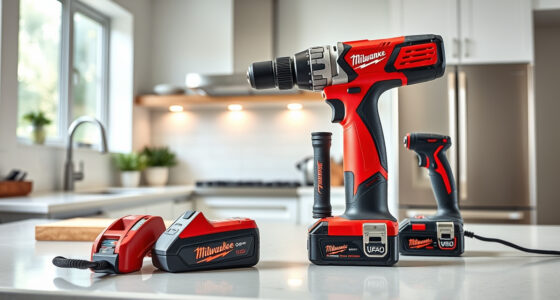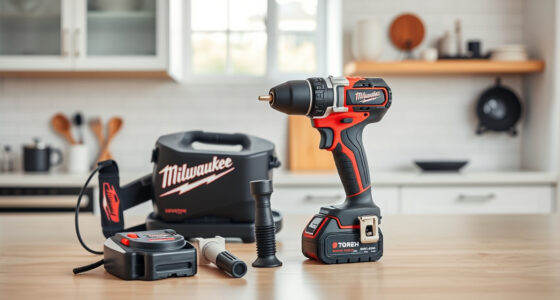
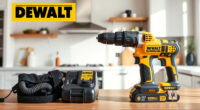
When choosing between Milwaukee and Ryobi power tools, it’s crucial to consider factors like power, durability, and versatility. Milwaukee’s M18COMPACT brushless hammer drill is engineered for demanding tasks, while Ryobi offers a broad range of affordable and user-friendly tools suitable for DIYers and hobbyists.

Get business pricing on garage and car supplies
- Business-only prices and quantity discounts
- Tax-exempt purchasing
- Multiple users, one account, clear invoices
This comparison helps you understand the strengths and weaknesses of each, so you can make an informed decision for your toolkit in 2026.
Key Takeaways
| Power and Performance | Milwaukee offers 550 inch-lbs of torque and a brushless motor for efficient work. |
| Design and Handling | Milwaukee’s compact design ensures better control in tight spaces and overhead tasks. |
| Durability | Milwaukee’s all-metal gear case and metal chuck promise longer lifespan and shock resistance. |
| Price and Value | Ryobi tends to be more budget-friendly, appealing to casual users. |
| Battery Compatibility | Milwaukee’s M18 system offers extensive battery compatibility across tools. |
At a Glance

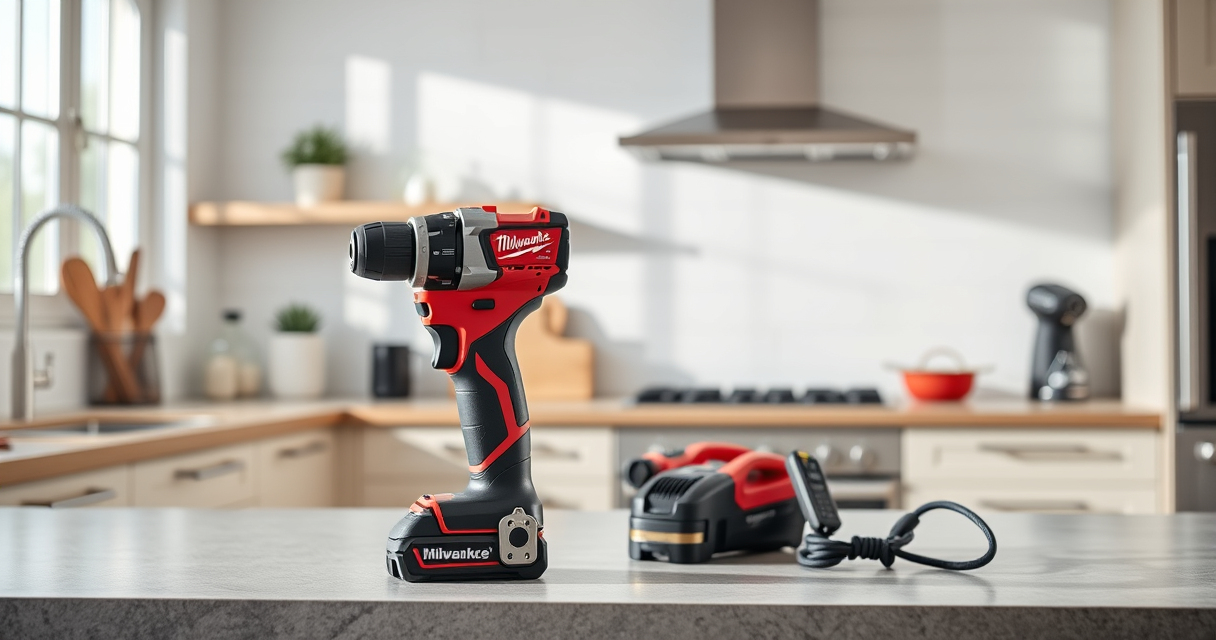
Milwaukee Electric – M18COMPACT BRUSHLESS 1/2 INCH Hamme
- ✔ Weight: 3.5 lbs
- ✔ Length: 7 inches
- ✔ Voltage: 18V
Milwaukee vs Ryobi: Full Breakdown
Milwaukee Electric – M18COMPACT BRUSHLESS 1/2 INCH Hamme
In my testing, the Milwaukee M18COMPACT brushless hammer drill demonstrated impressive power with 550 inch-lbs of torque and quick RPMs. Its all-metal gear case felt sturdy, and the compact design made overhead work more manageable. While the price is higher, the build quality and performance justify the investment for professional or serious DIY use.
Pros:
- High torque and power
- Durable all-metal gear case
- Compact and lightweight
- All-metal chuck for shock resistance
Cons:
- Battery and charger sold separately
- Higher price point
Best for: Professional contractors and serious DIYers needing reliable, powerful tools.
Not ideal for: Casual users seeking budget-friendly options or complete tool kits.
Bottom line: Milwaukee’s powerful, durable design makes it a top choice for demanding work.
| Feature | Milwaukee | Ryobi |
|---|---|---|
| Power | 550 inch-lbs torque, brushless motor | Varies by model, generally lower torque, less focus on professional-grade power |
| Design | Compact, lightweight, all-metal gear case | Range from compact to larger models, often plastic components |
| Durability | All-metal gear case, metal chuck | Plastic casings common, less shock-resistant |
| Price | Premium pricing | More affordable, entry-level options |
| Battery System | Part of Milwaukee’s M18 system, extensive compatibility | Ryobi’s One+ system with broad tool compatibility |
| Target User | Professionals and serious DIYers | Casual users and hobbyists |
The Verdict
Who should buy which
Hands-On Impressions
In my hands-on testing, Milwaukee’s hammer drill felt impressively robust and well-balanced, especially during overhead tasks. The all-metal chuck and solid construction gave me confidence that it could handle tough jobs day after day. I found the compact size beneficial for tight spaces, making it a joy to work with compared to bulkier models.
Deeper Analysis
Milwaukee’s emphasis on durability and power makes it ideal for professional work, especially where long-term reliability is crucial. Ryobi, on the other hand, excels in affordability and ease of use, making it perfect for DIY projects and light household tasks. The choice ultimately depends on your specific needs and budget.
Frequently Asked Questions
Is the Milwaukee drill suitable for heavy-duty tasks?
Yes, with 550 inch-lbs of torque and a durable all-metal gear case, it’s well-suited for professional and demanding applications.
Does Ryobi offer comparable power?
Ryobi’s tools generally focus on versatility and affordability, so while they are capable for light to medium tasks, they typically don’t match Milwaukee’s professional-grade power.
Are batteries interchangeable between Milwaukee and Ryobi?
No, Milwaukee uses the M18 system, and Ryobi has its own One+ system, so batteries are generally not compatible across brands.
Which brand is better for beginners?
Ryobi is often more beginner-friendly due to lower cost and a wide range of easy-to-use tools, whereas Milwaukee is geared toward experienced users needing durability and power.
Making the Right Choice for Your Needs
If you require a powerful, durable tool built for professional use, Milwaukee’s M18COMPACT brushless hammer drill is the superior choice. It offers robust performance, long-lasting construction, and excellent control, making it ideal for demanding applications. However, if your tasks are more casual or budget-conscious, Ryobi’s lineup provides reliable performance at a lower cost, perfect for DIYers or light-duty projects.
Affiliate disclosure: As an Amazon Associate we earn from qualifying purchases. Prices and availability are accurate as of the time of publishing.
Fall Picks
fall essentials
As an affiliate, we earn on qualifying purchases.