To compress brake pistons safely without damaging seals, use a clean, gentle approach with a proper tool like a C-clamp or brake piston tool. Apply even, steady pressure without forcing the piston, and make certain the brake fluid reservoir is topped off to prevent overflow. Check for resistance or debris, and clean the caliper if needed. Carefully following these steps helps protect your seals and brake system, and more helpful tips are waiting for you below.
Key Takeaways
- Use a C-clamp or specialized brake piston tool to apply even, gradual pressure during retraction.
- Avoid using sharp objects or excessive force that could scratch or damage the piston seals.
- Remove debris and corrosion before compressing pistons to ensure smooth movement and prevent damage.
- Carefully observe brake fluid for contamination; replace if dark or contaminated to protect seals.
- Compress pistons slowly and steadily, stopping if resistance persists to avoid damaging the seals or piston.
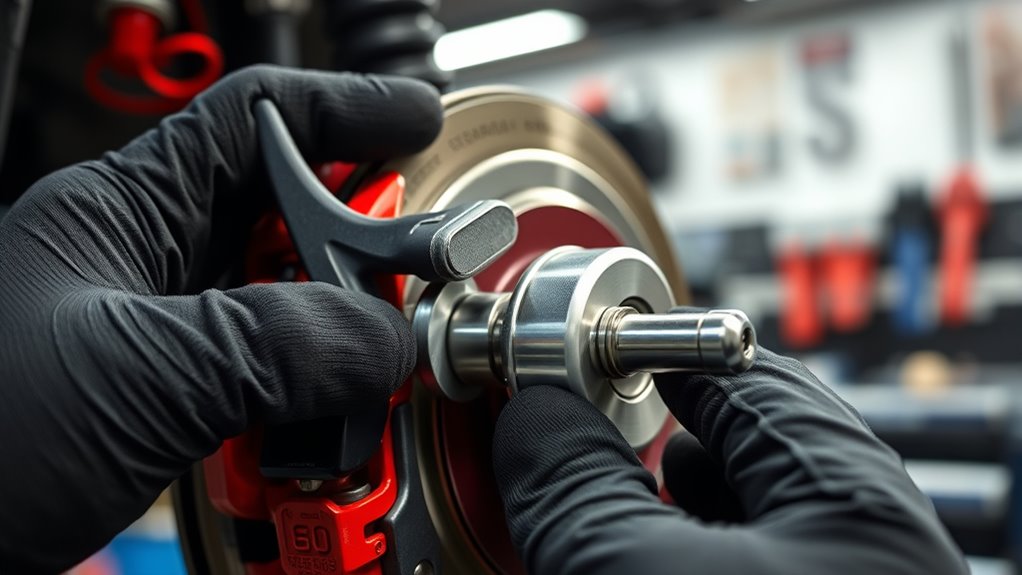
When replacing brake pads, you often need to compress the brake pistons to make room for the new ones. This step is vital because brake pistons press the pads against the rotor, and worn pads leave enough space for the caliper to close properly. However, it’s essential to do this carefully to avoid damaging the brake system. One common mistake is neglecting the state of the brake fluid. Over time, brake fluid absorbs moisture and can become contaminated, which increases the risk of piston corrosion. If you notice the brake fluid is dark or contaminated during the process, it’s wise to replace it to prevent damage to the pistons and seals.
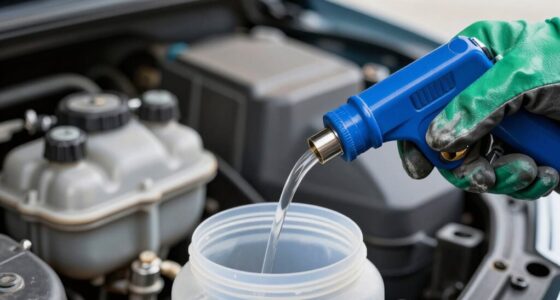
The first step in compressing the pistons is to remove the brake caliper from the rotor. Before doing so, you should check the condition of the brake fluid reservoir. As you push the pistons back, brake fluid will be forced back into the reservoir, causing it to rise. If the fluid level is already near the maximum, it’s a good idea to top it off to prevent overflow or spillage. Spilled brake fluid can damage paint and other components, so handle it with care.
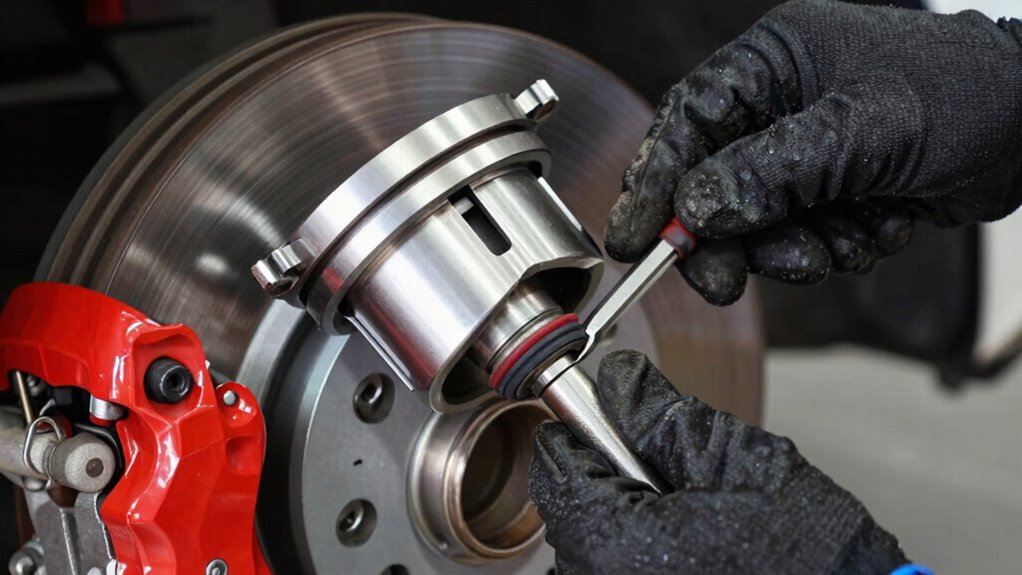
When you begin to push the piston back into the caliper, use a C-clamp or a specialized brake piston tool. Place the clamp firmly on the piston, ensuring you’re applying even pressure. Never use excessive force or a sharp object, as this can scratch or damage the piston or seals. Be mindful of piston corrosion, which can cause uneven movement or resistance. If the piston feels stuck or resists movement, avoid forcing it. Instead, inspect for corrosion or debris that might be hindering its retraction. Corrosion can be caused by contaminated or old brake fluid, so replacing the fluid is often necessary to prevent further damage.
As you compress the piston, do so slowly and steadily. This allows the brake fluid to flow back into the system without creating excessive pressure. During this process, you might notice fluid bubbling or escaping around the piston, especially if there’s corrosion or debris buildup. If you encounter significant resistance, don’t force the piston further. Instead, clean the piston and caliper thoroughly, ensuring no corrosion or dirt remains that could compromise the piston’s movement or the integrity of the seals. Properly compressing brake pistons isn’t just about making room for new pads — it’s about maintaining your brake system’s safety, preventing piston corrosion, and ensuring the longevity of your brake components.

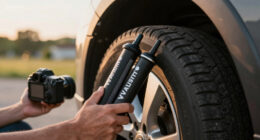
BILITOOLS Brake Caliper Compression Tool for Brake Pad Replacement, Caliper Piston Compressor Tool, Brake Piston Compressor Tool for Cars & Light Trucks
Fits Most Vehicles – This versatile brake caliper compression tool works with most domestic and imported cars and…
As an affiliate, we earn on qualifying purchases.
As an affiliate, we earn on qualifying purchases.
Frequently Asked Questions
Can I Use a Standard C-Clamp for Brake Piston Compression?
You shouldn’t use a standard C-clamp for brake piston compression because of its limitations. C clamps lack the proper surface area and pressure distribution needed, which can damage the piston or seals. Instead, opt for a proper tool like a brake caliper piston tool or a C-clamp with a flat, wide pad designed for this purpose. Proper tool selection guarantees safe, effective piston compression without risking damage.
What Are the Signs of Damaged Brake Seals After Compression?
You’ll notice signs of damaged brake seals if you see brake fluid leaks around the caliper or piston area. During brake seal inspection, look for cracks, tears, or hardening in the seal material. Piston corrosion signs, like rust or pitting, can also indicate seal damage, since corrosion often leads to seal failure. If you observe any of these, replace the seals immediately to maintain brake system safety and efficiency.
Is It Necessary to Replace Brake Fluid After Piston Compression?
Think of your brake system as a delicate dance; if you’ve been reining the pistons back using proper piston retraction techniques, you likely don’t need to replace the brake fluid. However, if the fluid’s been in use for a while or contaminated, it’s wise to perform brake fluid maintenance. Fresh fluid guarantees ideal brake performance, preventing corrosion and maintaining the hydraulic system’s health after piston compression.
Can Hydraulic or Pneumatic Tools Be Used Safely for Piston Compression?
Yes, you can use hydraulic or pneumatic tools for piston compression, but you must do so carefully. Make certain the tools are designed for brake work and operate at controlled pressures to avoid damaging seals. Always follow manufacturer instructions and use proper adapters. If you’re unsure, manual methods are safer. Proper use minimizes risks and keeps your brake system in good condition while preventing damage.
How Do I Prevent Scratching or Damaging the Brake Caliper During Compression?
You can prevent scratching or damaging the caliper by always using a plastic or rubber tool for piston compression, not metal. This safeguards the caliper’s surfaces and avoids scratches. Before compressing, inspect the piston surface for debris and clean it gently. Applying a small amount of brake lubricant on the piston’s surface helps reduce friction and further protects the caliper during the process. Always handle components carefully to ensure caliper protection.

Symentis 2026 Patented Gen2 Brake Caliper Compression Tool, 5 in 1 Professional Piston Compressor & Brake Pad Spreader with 2 Brake Lubricants & 2 Hooks for Single/Twin/Quad Calipers, Blue
【High-Quality 2026 Patented Gen2 Brake Caliper Compression Tool】This is a 2026 newly upgraded patented Gen2 product, with smoother…
As an affiliate, we earn on qualifying purchases.
As an affiliate, we earn on qualifying purchases.
Conclusion
By following this safe method to compress brake pistons, you protect your seals and guarantee reliable braking performance. Did you know that improper piston compression can lead to costly repairs, sometimes costing up to $1,200? Staying cautious and using the right technique not only saves you money but also keeps your vehicle safe. Remember, a small mistake can have big consequences, so always prioritize proper procedures when working on your brakes.

Orion Motor Tech 24pc Brake Caliper Compression Tool Set, Heavy Duty Brake Piston Compressor Tool and Wind Back Tool Kit for Brake Pad Replacement, Universal Disc Brake Caliper Tool Set with Blue Case
Complete Tool Set: Orion Motor Tech's 24-piece brake caliper compression tool set includes 2 retaining plates, 2 thrust…
As an affiliate, we earn on qualifying purchases.
As an affiliate, we earn on qualifying purchases.

Orion Motor Tech Brake Pad Spreader, Heavy Duty Brake Pad Spreader Tool, Brake Piston Compressor Tool for Compressing Inner Pad, Solid Steel Disc Brake Caliper Spreader for Cars & Light Trucks
Effortless Brake Pad Replacement: Simplify brake pad changing like never before with Orion Motor Tech's brake pad spreader…
As an affiliate, we earn on qualifying purchases.
As an affiliate, we earn on qualifying purchases.