
TL;DR

Get business pricing on garage and car supplies
- Business-only prices and quantity discounts
- Tax-exempt purchasing
- Multiple users, one account, clear invoices
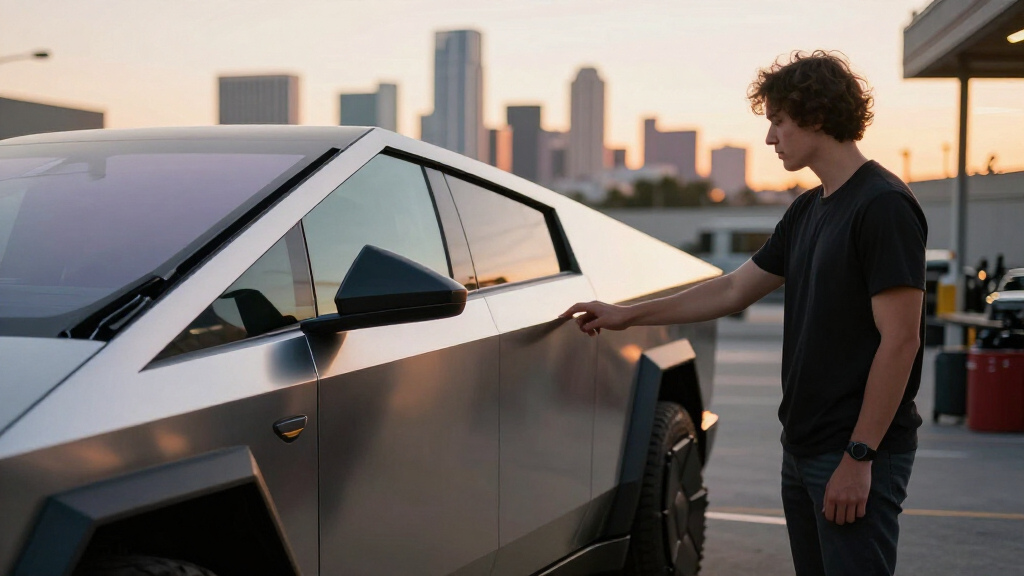
Tesla has added Cybercabs to its Texas robotaxi fleet ahead of an official launch event. The move confirms ongoing deployment efforts, though details about the event remain unconfirmed. This development could impact autonomous mobility services in Texas.
Tesla has added new Cybercabs to its Texas robotaxi fleet, a confirmed development observed shortly before an upcoming launch event. This move indicates progress in Tesla’s autonomous vehicle deployment in Texas, which could influence the future of robotaxi services in the region.
Sources familiar with Tesla’s operations in Texas reported that the company has integrated several Cybercabs into its existing robotaxi fleet. These vehicles, equipped with Tesla’s autonomous driving technology, were seen operating in designated service zones in the Dallas-Fort Worth area. The addition aligns with Tesla’s broader strategy to expand its robotaxi network, which has been under development for several years.
While Tesla has not officially announced the deployment of the Cybercabs or specified a launch date, industry observers note that the timing coincides with a scheduled event where Tesla is expected to showcase its autonomous vehicle advancements. The Cybercabs are believed to be part of Tesla’s next-generation robotaxi units, designed to operate without human drivers.
Implications of Cybercab Deployment for Tesla’s Texas Robotaxi Plans
The addition of Cybercabs to Tesla’s Texas fleet signals tangible progress toward commercializing autonomous ride-hailing services. If confirmed, this deployment could accelerate Tesla’s timeline for launching full-scale robotaxi operations in Texas, a key market for autonomous mobility. The move also underscores Tesla’s focus on deploying its latest vehicle iterations in strategic regions, potentially setting a precedent for other markets.
For consumers and investors, the development suggests Tesla’s autonomous vehicle ambitions are advancing beyond prototypes, moving toward real-world service. It could influence the competitive landscape, prompting other autonomous vehicle companies to accelerate their deployments in Texas and beyond.
Tesla Full Self-Driving (FSD) system
As an affiliate, we earn on qualifying purchases.
As an affiliate, we earn on qualifying purchases.
Tesla’s Autonomous Vehicle Development and Texas Market Focus
Tesla has been working on autonomous driving technology for over a decade, with its Full Self-Driving (FSD) system undergoing continuous updates and testing. The company has faced regulatory and technical hurdles but remains committed to deploying autonomous ride-hailing services.
Texas has become a strategic focus for Tesla, given its large urban centers and friendly regulatory environment for autonomous vehicles. Tesla’s recent activity in Texas, including the addition of Cybercabs, aligns with its broader plans to establish a significant presence in the state’s autonomous mobility market.
Industry analysts note that Tesla’s rollout in Texas could serve as a testbed for its technology’s viability at scale, influencing future regulatory and commercial strategies nationwide.
As an affiliate, we earn on qualifying purchases.
Details of the Launch Event and Full Deployment Status Unclear
While Cybercabs have been observed operating in Texas, Tesla has not officially confirmed the deployment nor provided specifics about the upcoming launch event. It remains unclear whether the Cybercabs are fully operational for commercial service or still in testing phases. Additionally, the scope and scale of the planned launch are not yet disclosed.
Industry sources suggest that Tesla may be preparing for a staged rollout, but definitive details are still emerging, and regulatory approvals are pending in some areas.
As an affiliate, we earn on qualifying purchases.
Expected Next Steps and Official Announcements from Tesla
Tesla is likely to issue official statements or invitations related to its Texas launch event soon. Industry watchers anticipate that Tesla may demonstrate its Cybercab technology publicly, possibly during the event, and announce plans for wider deployment. Regulatory approvals and operational testing will continue in the coming weeks.
Further updates are expected to clarify the timeline for commercial robotaxi services in Texas and whether Tesla plans to expand the Cybercab fleet to other regions.
As an affiliate, we earn on qualifying purchases.
Key Questions
When did Tesla add the Cybercabs to its Texas fleet?
Recent observations indicate the Cybercabs were added shortly before the scheduled launch event, but Tesla has not confirmed the exact date.
Are the Cybercabs currently operational for public use?
It is not yet confirmed whether the Cybercabs are actively serving customers or still in testing phases. No official statements have been made about their operational status.
What is the significance of this deployment?
This deployment suggests Tesla is progressing toward launching commercial robotaxi services in Texas, which could influence autonomous mobility markets and regulatory policies.
Will Tesla expand this program to other states?
While plans are not officially announced, industry analysts believe Tesla may consider expanding if the Texas deployment proves successful.
When will Tesla officially announce the launch event?
Tesla has not yet announced specific details about the launch event, but it is expected to occur soon based on current signals and industry speculation.
Source: rss
Fall Picks
fall essentials
As an affiliate, we earn on qualifying purchases.