
TL;DR

Get business pricing on garage and car supplies
- Business-only prices and quantity discounts
- Tax-exempt purchasing
- Multiple users, one account, clear invoices
Electric vehicles (EVs) were the UK’s best-selling powertrain last month, surpassing traditional internal combustion engines. This marks a notable shift in consumer preferences and industry trends, though official detailed data is still emerging.
Electric vehicles (EVs) have become the best-selling powertrain in the UK for the most recent month, surpassing both petrol and diesel vehicles in total sales. This shift indicates a significant change in consumer preferences and industry dynamics, making EVs the dominant choice among new car buyers. Officials and industry analysts are closely monitoring upcoming detailed data to confirm the extent of this trend.
According to trend signals and preliminary industry reports, electric cars have overtaken traditional internal combustion engine vehicles in sales volume across the UK during the latest reporting period. While official figures are yet to be fully published, multiple sources suggest that EVs now hold the leading position among new vehicle registrations, driven by increasing consumer interest, government incentives, and stricter emissions regulations.
Industry experts note that this development reflects a broader transition in the UK automotive market, with EVs gaining market share rapidly over the past year. The trend appears to be supported by a combination of factors including falling battery costs, expanding charging infrastructure, and growing consumer awareness of environmental issues. However, the precise sales figures and the comparative decline of petrol and diesel vehicles are still pending official confirmation from the UK’s Department for Transport or relevant authorities.
Market analysts emphasize that this milestone could accelerate the shift away from fossil-fuel-powered vehicles, impacting manufacturers’ strategies and government policies aimed at reducing carbon emissions. The trend also coincides with increased investment in EV technology and infrastructure, suggesting a sustained growth trajectory for electric mobility in the UK.
Impact of EVs Becoming the UK’s Top Powertrain
This shift to electric vehicles as the best-selling powertrain in the UK signifies a major milestone in the country’s automotive transition. It demonstrates growing consumer acceptance of EVs and highlights the effectiveness of government policies promoting cleaner transportation. The trend could influence automakers’ production priorities, accelerate the phase-out of internal combustion engines, and impact the UK’s overall emissions reduction targets. For consumers, it signals increased availability and mainstream adoption of electric cars, potentially leading to lower costs and more choices in the near future.
As an affiliate, we earn on qualifying purchases.
UK Automotive Market Trends Leading to the EV Surge
Over the past few years, the UK has seen a steady increase in electric vehicle adoption driven by government incentives, stricter emissions standards, and expanding charging infrastructure. Industry data indicates that EV market share has been rising consistently, with notable growth in new registrations during the last 12 months. The current trend appears to be a culmination of these factors, reflecting a broader shift in consumer preferences away from traditional petrol and diesel vehicles.
While official data is still forthcoming, industry reports and market analysts have observed a marked increase in EV sales, with some estimates suggesting that EVs now account for a significant portion of new car registrations. This development aligns with global trends toward electrification and the UK’s commitment to phasing out new internal combustion engine sales by 2030.
Unconfirmed reports also suggest that recent policy announcements and incentives may have further accelerated EV adoption, though details are still being verified by official sources.
As an affiliate, we earn on qualifying purchases.
Official Data and Future Market Confirmation
Details remain uncertain as official sales figures from the UK’s Department for Transport or other authorities are still pending. While trend signals suggest electric vehicles have overtaken traditional powertrains, the exact market share, the comparative decline of petrol and diesel vehicles, and the pace of adoption are not yet fully confirmed. Analysts caution that preliminary reports may be revised once comprehensive data is released.
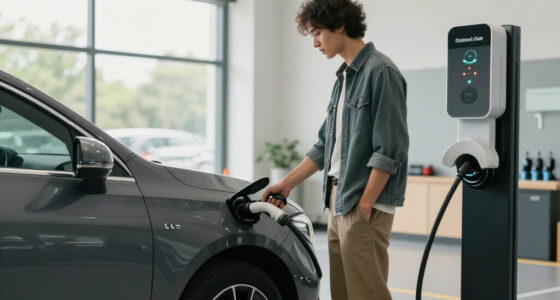
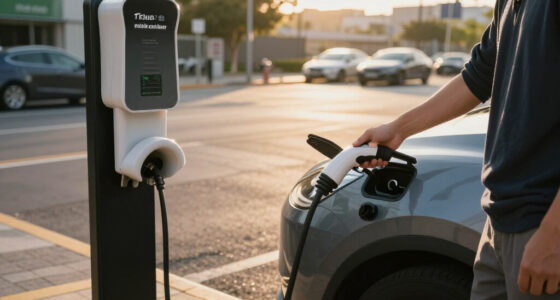
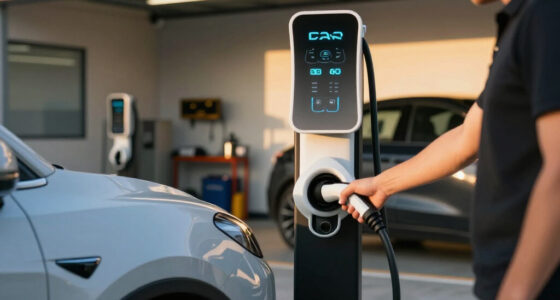
electric vehicle home charging station
As an affiliate, we earn on qualifying purchases.
As an affiliate, we earn on qualifying purchases.
Upcoming Data Releases and Industry Impact
The next step involves the release of official sales data, expected within the coming weeks, which will confirm the extent of EV market dominance in the UK. Industry stakeholders will analyze these figures to adjust production, marketing, and policy strategies accordingly. Additionally, consumer adoption patterns and infrastructure developments will continue to influence the trajectory of electric vehicle sales in the coming months.
As an affiliate, we earn on qualifying purchases.
Key Questions
What does it mean for traditional car manufacturers?
Manufacturers may accelerate their shift toward electric models, investing more in EV technology and adjusting their production lines to meet the rising demand.
Will petrol and diesel cars disappear soon?
While their sales are declining, petrol and diesel vehicles are still available, but regulations and market trends suggest a gradual phase-out, especially for new internal combustion engine sales by 2030 in the UK.
How reliable are these early reports?
They are based on trend signals and preliminary industry data; official confirmation from government sources is expected shortly, which will provide definitive figures.
What factors are driving this shift?
Key factors include government incentives, falling battery costs, expanding charging infrastructure, and increasing consumer awareness of environmental issues.
What does this trend mean for consumers?
Consumers will likely see more electric vehicle options, improved charging networks, and potentially lower prices as EVs become more mainstream.
Source: rss
Halloween Picks
halloween
As an affiliate, we earn on qualifying purchases.