
TL;DR

Get business pricing on garage and car supplies
- Business-only prices and quantity discounts
- Tax-exempt purchasing
- Multiple users, one account, clear invoices
A Senate bill targeting Chinese cars has advanced in the legislative process, with potential implications for US automakers. The measure seeks to limit Chinese vehicle imports, but details and scope remain uncertain.
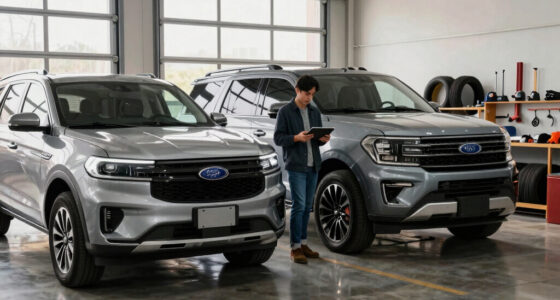
The Senate has passed a bill that would impose restrictions on Chinese-made vehicles entering the United States, marking a significant step in ongoing trade and automotive policy debates. The measure, which could also affect other automakers such as Mercedes, is currently moving through legislative channels and has garnered attention for its potential economic and geopolitical implications.
The bill, which recently advanced in the Senate, aims to curb the import of Chinese vehicles into the US, citing concerns over national security, trade imbalance, and unfair competition. Senators supporting the measure argue that Chinese automakers benefit from state subsidies and lack transparency, which could harm American industries.
While the bill’s specific provisions are still being finalized, it is reported to include tariffs or import restrictions targeting Chinese automotive imports. Industry experts warn that such measures could also impact foreign automakers like Mercedes, which may source components or assemble vehicles in China.
It is important to note that the bill has not yet become law and faces further review and debate in the full Senate and House of Representatives. The administration has not issued an official stance, but trade officials have expressed concern about escalating tariffs and trade tensions.
Potential Impact on US and Global Auto Markets
This legislation could significantly alter the landscape of the automotive industry in the US by restricting Chinese vehicle imports, potentially leading to higher prices for consumers and supply chain disruptions. It also signals a tougher stance on trade with China, which could influence broader economic relations and negotiations.
For automakers like Mercedes, which has manufacturing operations in China, the bill could introduce new compliance challenges and affect their market strategies in the US. The move reflects ongoing concerns about trade security and geopolitical tensions.
As an affiliate, we earn on qualifying purchases.
Legislative Moves Against Chinese Automotive Imports
The bill’s progression follows years of increasing scrutiny of Chinese imports across various sectors, including technology and manufacturing. Previous proposals have included tariffs and import restrictions, but this latest legislative effort specifically targets the automotive sector.
Trade tensions between the US and China have escalated in recent years, with the Biden administration maintaining a cautious approach. The automotive industry has been a focal point due to China’s growing role as a manufacturing hub and consumer market for vehicles.
The bill’s advancement in the Senate indicates a shift toward more aggressive policies aimed at limiting Chinese influence in strategic industries, including automotive manufacturing and supply chains.
“We are monitoring the legislation closely and will consider its implications for trade and national security.”
— White House spokesperson
As an affiliate, we earn on qualifying purchases.
Unclear Scope and Next Legislative Steps
The scope of the restrictions and the timeline for passage remain uncertain. Details about specific tariffs, exemptions, and how the bill will interact with existing trade agreements are still under discussion. The Biden administration’s official position is yet to be clarified, and industry groups are preparing for potential opposition and legal challenges.
As an affiliate, we earn on qualifying purchases.
Next Steps in Senate and Possible Presidential Action
The bill will undergo further debate and amendments in the Senate before moving to the House of Representatives. If approved there, it will require the president’s signature to become law. Stakeholders, including automakers and trade officials, are preparing lobbying efforts and legal strategies. The timeline for final passage remains uncertain, but legislative activity is expected to continue over the coming months.
vehicle compliance tools for import
As an affiliate, we earn on qualifying purchases.
As an affiliate, we earn on qualifying purchases.
Key Questions
What specific restrictions does the bill propose?
The bill is reported to include tariffs or import bans on Chinese vehicles, but detailed provisions are still being finalized. The scope may include both fully assembled cars and parts sourced from China.
How might this affect American consumers?
If enacted, restrictions could raise vehicle prices and limit options for consumers, especially if Chinese automakers or parts suppliers are impacted.
Could other automakers like Mercedes be affected?
Yes, if they source components from China or have manufacturing operations there, they might face increased costs or regulatory hurdles.
What is the Biden administration’s stance?
The administration has not officially endorsed or opposed the bill but is monitoring its progress due to concerns over trade and supply chain stability.
When will a final decision be made?
The legislative process is ongoing, with no definitive timeline yet. The bill must pass both chambers and be signed by the president.
Source: rss
Halloween Picks
halloween
As an affiliate, we earn on qualifying purchases.