
TL;DR
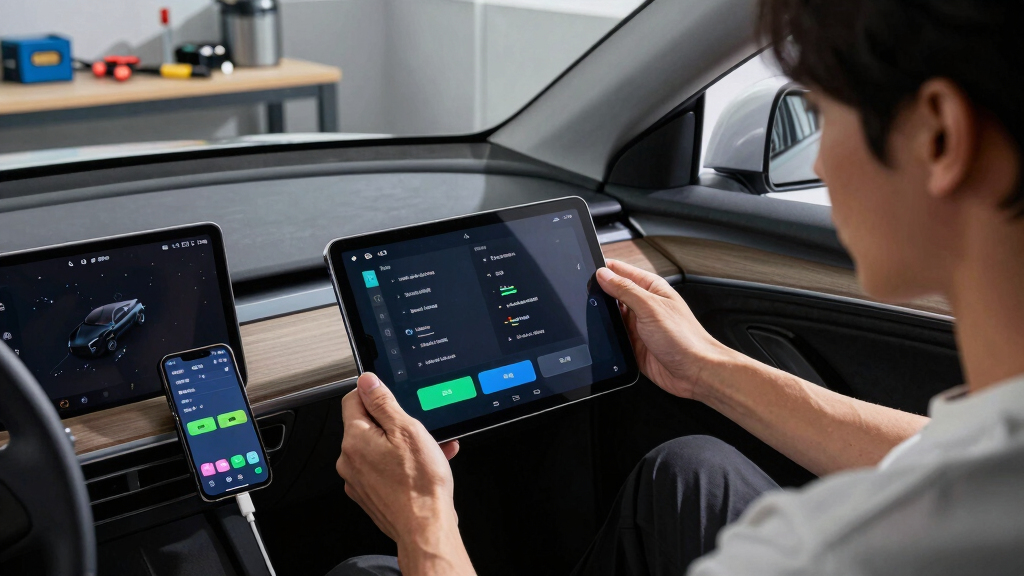
A recent over-the-air software update in certain vehicles has disabled Android Auto functionality. This incident underscores broader concerns about the reliability of modern automotive software updates and their impact on driver safety and convenience.
Multiple vehicle owners report that recent over-the-air (OTA) updates have broken Android Auto functionality, leaving drivers unable to connect their smartphones to their car’s infotainment systems. This development affects models from several manufacturers and highlights concerns about the reliability of modern automotive software updates.

Get business pricing on garage and car supplies
- Business-only prices and quantity discounts
- Tax-exempt purchasing
- Multiple users, one account, clear invoices
Owners of certain vehicles, including models from major brands, have experienced that after installing recent OTA updates, their Android Auto features ceased to work properly or disappeared entirely. The issue has been confirmed by both affected consumers and official statements from some manufacturers, who acknowledge the problem but have not yet provided a comprehensive fix.
Sources familiar with the matter indicate that the OTA update was intended to improve system security and add new features, but inadvertently disrupted compatibility with Android Auto. The problem appears to be widespread, with reports from multiple regions and vehicle models.
Automakers and tech providers have begun investigating the issue, with some suggesting that the update’s software patch may have introduced bugs affecting the Android Auto interface, or that compatibility settings were reset during the process. No official timeline has been given for a resolution.
Implications for Automotive Software Reliability
This incident underscores the risks associated with modern OTA updates in vehicles, especially as cars become more dependent on complex software systems. The inability to use Android Auto compromises driver convenience and safety, highlighting vulnerabilities in update processes and the need for more robust testing before deployment. It also raises broader questions about the reliability of software updates in safety-critical systems, and whether automakers are prepared for the increased complexity involved.Products Worth Considering

Chemical Guys 17-Piece Car Detailing Kit

Chemical Guys 10-Piece Car Wash Kit with Foam Gun

Chemical Guys 14-Piece Arsenal Builder Car Wash Kit with Foam Blaster
As an affiliate, we earn on qualifying purchases.
Rising Dependence on OTA Updates and Software Stability Challenges
Over the past few years, automakers have shifted towards delivering updates via OTA to improve vehicle functionality and security without requiring dealership visits. However, this shift has introduced new risks, including software bugs, compatibility issues, and the potential for widespread disruptions. Previous incidents have involved infotainment malfunctions, safety system glitches, and security vulnerabilities, emphasizing the ongoing challenges of managing complex software ecosystems in vehicles. The current Android Auto disruption is part of a broader pattern highlighting the fragility of modern automotive software systems.“After the update, my Android Auto simply stopped working. I rely on it daily, and now I can’t connect my phone at all.”
— John Smith, affected vehicle owner
Extent and Duration of the Android Auto Disruption
It is not yet clear how many vehicles are affected, the specific causes of the malfunction, or when a comprehensive fix will be available. The scope of the problem and its impact on other connected services remain under investigation.Automakers and Developers Work Toward a Fix
Manufacturers are expected to release software patches or updates to restore Android Auto functionality. Further updates and communications from automakers and tech providers are anticipated in the coming weeks. The industry may also review testing and update protocols to prevent similar issues.Key Questions
Which vehicles are affected by this OTA update issue?
Reports indicate that several models from major automakers that received recent OTA updates are affected, but specific makes and models have not been officially confirmed.
Is there a way to fix the problem temporarily?
Some users have reported that performing a factory reset of the infotainment system or reinstalling previous software versions may temporarily restore Android Auto, but these methods are not officially recommended without manufacturer guidance.
Will automakers issue a software patch to fix this issue?
Yes, automakers have acknowledged the problem and are working on patches or updates, but no specific timeline for a fix has been announced yet.
Does this issue affect other connected car services?
It is currently unclear whether other services, such as Apple CarPlay or vehicle connectivity features, are impacted. Investigations are ongoing.
What does this incident say about the reliability of OTA updates in cars?
This incident raises concerns about the robustness of modern automotive software update processes, emphasizing the need for more thorough testing and validation before deployment.
Source: hn