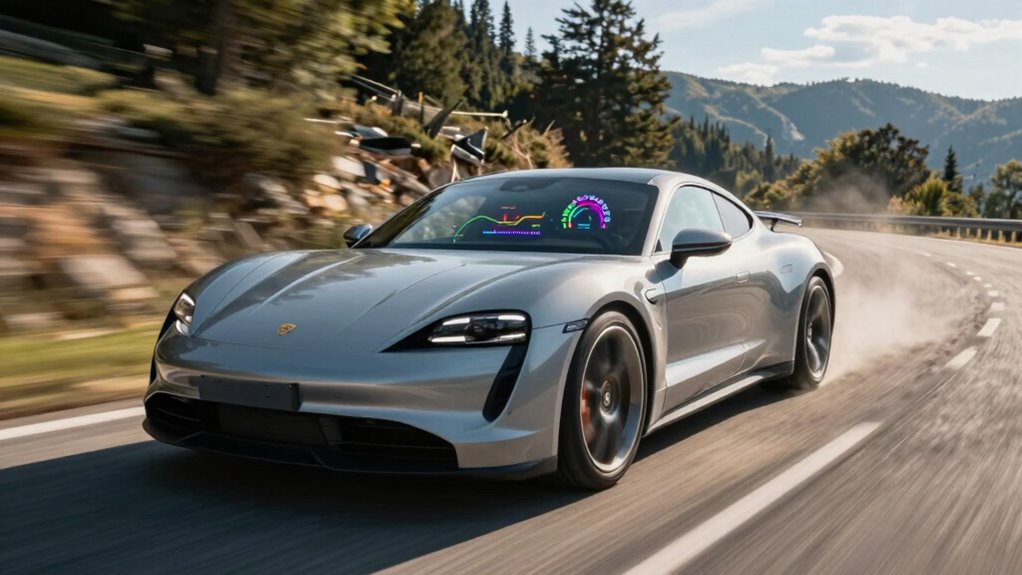

Telemetry in modern sports cars gathers real-time data from a network of sensors throughout the vehicle, giving you detailed insights into performance, tire pressure, brake wear, and more. It helps you optimize settings, predict maintenance needs, and make quick decisions during races. Advanced cloud-based systems ensure seamless data sharing and analysis, boosting safety and competitiveness. Keep exploring to discover how these intelligent systems keep performance at its peak and revolutionize racing strategies.
Key Takeaways
- Modern sports cars utilize advanced telemetry systems to collect real-time data on various vehicle components beyond basic metrics.
- Telemetry converts raw sensor data into actionable insights, helping optimize performance and identify potential issues.
- Sophisticated dashboards visualize complex data, enabling drivers and engineers to make immediate, informed adjustments.
- Cloud-based infrastructure ensures secure, seamless data sharing and processing for continuous performance improvements.
- Telemetry supports predictive maintenance, reducing downtime and enhancing race-day performance through data-driven strategies.
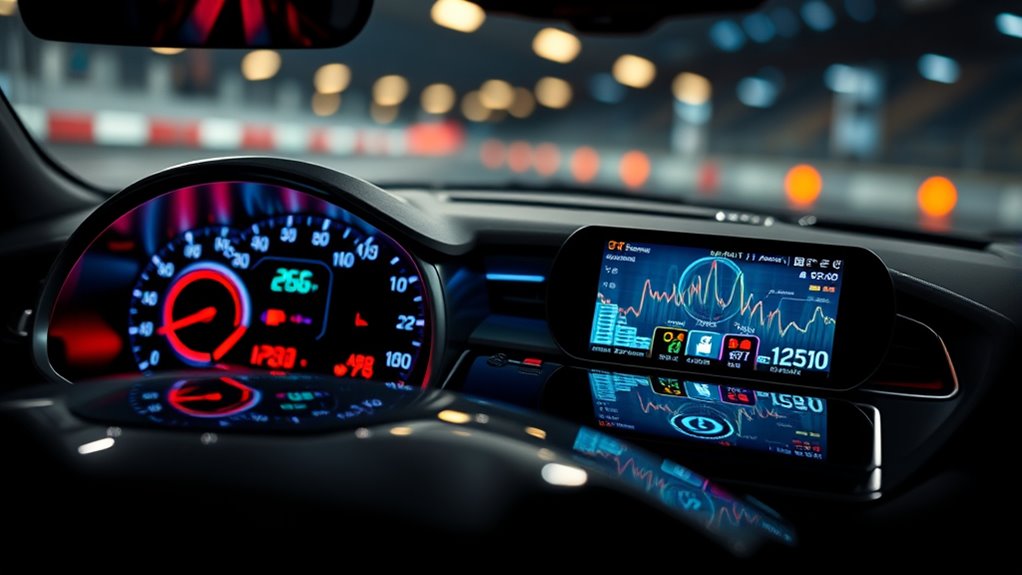
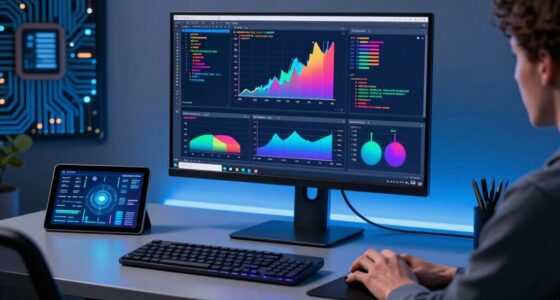
Have you ever wondered how modern sports cars optimize their performance so precisely? The secret lies in telemetry systems that collect, analyze, and utilize a vast array of data in real time. Telemetry in sports cars isn’t just about tracking speed or engine temperature; it’s an intricate network of sensors that monitor everything from tire pressure to brake wear, providing a complete picture of how the vehicle is performing on the track. This data collection allows engineers and drivers to make informed decisions almost instantly, ensuring every component functions at its peak. At the heart of this process is data analysis, which turns raw sensor readings into actionable insights. By examining patterns and anomalies in the data, teams can identify weaknesses, fine-tune setups, and push the vehicle to its limits without risking damage or inefficiency. Performance optimization becomes a continuous cycle, where each lap or test run feeds into a loop of improvements. You can think of telemetry as the car’s nervous system, transmitting critical signs that guide adjustments and strategies. With advancements in software, this data is now visualized through sophisticated dashboards, making complex metrics accessible and easy to interpret. This immediate feedback loop helps drivers adapt their driving style, while engineers work behind the scenes to enhance aerodynamics, suspension settings, and engine tuning based on real-time information. The impact is noticeable; a slight change in tire pressure identified through telemetry can lead to faster lap times or longer tire life. The precision offered by data analysis ensures that every aspect of the car is optimized, often beyond what manual testing alone could achieve. Furthermore, telemetry systems enable predictive maintenance, alerting you or your team about potential mechanical issues before they turn into costly failures. This proactive approach reduces downtime and maximizes performance during critical moments, like race day. Modern telemetry relies heavily on European cloud servers, which provide secure and energy-efficient data storage and processing capabilities essential for real-time analysis. In addition, cloud-based solutions facilitate seamless data sharing and collaboration across teams, improving overall efficiency. Advanced data visualization tools help in quickly interpreting complex datasets, leading to faster decision-making, and many teams are now incorporating automated data processing to streamline their analysis workflows. Incorporating automated data processing further enhances the speed and accuracy of insights derived from raw data, making the entire system more responsive. This continuous evolution ensures that modern sports cars remain at the forefront of speed, safety, and efficiency. In short, understanding and leveraging data analysis through telemetry is what separates good performance from greatness in today’s high-stakes racing environment.

Formula Racing Engineering Manual: Advanced Principles of Aerodynamics, Vehicle Dynamics, Race Car Systems, and Motorsport Technology
As an affiliate, we earn on qualifying purchases.
As an affiliate, we earn on qualifying purchases.
Frequently Asked Questions
How Accurate Is Telemetry Data During High-Speed Racing?
Telemetry data during high-speed racing is highly accurate when sensors are properly calibrated and maintained. You can trust the data to reflect real-time vehicle performance, but keep in mind that extreme conditions, like high G-forces or vibrations, may introduce minor discrepancies. Regular sensor calibration and system checks are essential to guarantee data accuracy, helping you make precise decisions on the track and improve overall race strategy.
Can Amateur Drivers Access Advanced Telemetry Features?
Yes, as an amateur driver, you can access advanced telemetry features through entry-level access options and consumer-friendly tools. Many aftermarket systems and apps are designed to be user-friendly, allowing you to monitor data like speed, lap times, and engine performance without needing professional expertise. These tools help you improve your driving skills and understand your car’s behavior, making high-tech telemetry accessible and beneficial even for enthusiasts at the beginner level.
What Are the Privacy Concerns With Telemetry Data Collection?
You’re right to be cautious; telemetry data collection raises serious privacy concerns. You might feel like you’re opening Pandora’s box when it comes to data ownership, as manufacturers and third parties could access your driving habits. There’s also the risk of government surveillance, which questions who really owns that data. Always check privacy policies and consider how much info you’re comfortable sharing before enabling advanced telemetry features.
How Is Telemetry Data Used for Vehicle Safety Improvements?
Telemetry data helps improve vehicle safety by analyzing driver behavior and identifying risky patterns. Manufacturers use this data to develop safety features like adaptive cruise control or collision avoidance systems. You can trust that data security measures protect your information from unauthorized access. By continuously monitoring vehicle performance and driver actions, the data supports safer driving experiences and innovations, ultimately reducing accidents and saving lives on the road.
What Future Innovations Are Expected in Automotive Telemetry Technology?
Ever wonder what’s next for automotive telemetry? You’ll see innovations like real-time driver behavior monitoring and advanced predictive analytics that anticipate issues before they happen. These upgrades will make your driving safer and more personalized, allowing your car to adapt to your habits seamlessly. Expect smarter systems that learn from you, enhancing performance and safety through deeper insights and proactive responses—driving into a more connected, intuitive future.
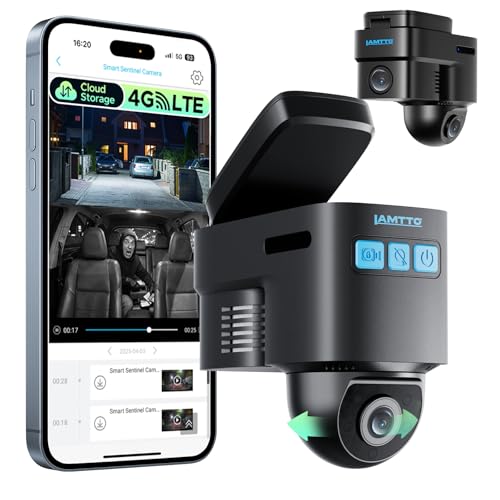
LAMTTO 4G LTE Cellular Car Security Camera Anti Theft GPS Tracker for Vehicle Safe, Dual Dash Cam Front Inside, Alarm Real-time Alerts via Cloud Storage, Remote Live-View – for Fleets & Family
Please ensure your location has 4G network coverage before purchasing. This dashcam cannot be used if there is…
As an affiliate, we earn on qualifying purchases.
As an affiliate, we earn on qualifying purchases.
Conclusion
Telemetry in modern sports cars is like a heartbeat, revealing the soul beneath the sleek exterior. It’s your car’s story written in data, guiding you through every twist and turn. As you harness this technology, you’re not just driving—you’re listening to the pulse of precision, the rhythm of performance. With each lap, telemetry becomes your silent partner, a symbol of innovation and passion that pushes you closer to mastery on every track.
Advanced Engine Electronics & Diagnostics: ECUs, Sensors, Predictive Maintenance, and the Future of Automotive Tuning
As an affiliate, we earn on qualifying purchases.
As an affiliate, we earn on qualifying purchases.

The Last Day Of World War I
As an affiliate, we earn on qualifying purchases.
As an affiliate, we earn on qualifying purchases.