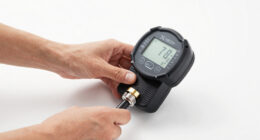
Data logging improves your driving by giving you clear insights into your habits and your vehicle’s performance. It tracks factors like speed, braking, and acceleration, helping you spot behaviors that waste fuel or cause wear. With this info, you can make safer, smoother, more efficient choices on the road. Continuing further, you’ll discover how harnessing this data can transform your driving experience and save costs over time.
Key Takeaways
- Data logging reveals driving patterns and vehicle performance, enabling targeted improvements for safer and more efficient driving.
- It identifies behaviors like rapid acceleration or excessive idling that waste fuel, promoting smoother driving habits.
- Real-time data allows immediate adjustments, reducing unnecessary fuel consumption and vehicle wear.
- Monitoring progress helps drivers set and achieve measurable goals for better fuel efficiency over time.
- Accurate data analysis supports informed decision-making, leading to cost savings and reduced environmental impact.

Data logging has become a valuable tool for improving driving habits and vehicle performance. When you use data logging devices, you gain detailed insights into how you operate your vehicle, which can directly influence your fuel efficiency and overall driving style. By tracking various parameters like speed, acceleration, braking, and engine performance, you start to see patterns that impact your vehicle’s fuel consumption. For instance, frequent hard braking or rapid acceleration can waste fuel, and recognizing these habits allows you to make conscious adjustments. Over time, this awareness encourages smoother driving, reducing unnecessary fuel use and saving you money. Better driver behavior doesn’t just benefit your wallet; it also lessens wear and tear on your vehicle, extending its lifespan and decreasing maintenance costs.
Using data logging to improve driving habits saves fuel, reduces wear, and extends your vehicle’s lifespan.
With data logging, you become more aware of your driving tendencies. Instead of relying on memory or guesswork, you see concrete data that highlights areas needing improvement. For example, if your logs show consistent idling or excessive idling time, you realize how much fuel you’re wasting while waiting or stuck in traffic. Once aware, you can adapt by turning off your engine during longer stops or planning routes to avoid congestion. This proactive approach leads to more efficient driving, which not only conserves fuel but also reduces emissions, helping the environment. As you develop better habits, the positive feedback loop continues—driving becomes more economical, and your understanding of how your behavior impacts fuel efficiency deepens. Behavioral awareness is a key component in making sustainable driving choices.
Data logging also helps you set measurable goals for improvement. If you notice your average fuel consumption is higher than desired, you can work on specific behaviors like maintaining steady speeds, avoiding rapid acceleration, or using cruise control when appropriate. Monitoring your progress over time keeps you motivated and allows you to see the tangible results of your efforts. Plus, many data logging systems come with user-friendly interfaces, making it easier to interpret the information and implement changes. This real-time feedback keeps you engaged and accountable, turning better driver behavior into a regular habit rather than a fleeting effort. Additionally, integrating advanced sensors can provide even more precise insights into your driving patterns and vehicle performance. Incorporating real-time data analysis can further enhance your ability to make immediate adjustments on the road. Moreover, choosing systems with automatic data recording reduces manual input and ensures consistent tracking.
Ultimately, data logging empowers you to take control of your driving. The detailed insights help you understand how your habits affect fuel efficiency and vehicle health. By making informed adjustments, you’ll notice improvements in fuel savings, smoother rides, and less stress on your vehicle. It’s a practical tool that transforms driving from a routine task into an opportunity for smarter, more economical choices. Incorporating high-quality sensors into your data logging setup can further enhance the accuracy of the information you receive, leading to even better driving decisions. The more you use the data to refine your habits, the more confident you’ll become in your ability to drive efficiently and responsibly, all while benefiting your wallet and the environment.

GUTA Trailer Tire Pressure Monitoring System, RV TPMS with 10 Sensors, 6 Alert Modes, Signal Booster, Power Saving Display, Long Sensing Distance, for 3 Trailers (T1/T2/T3), for Camper, Motor Homes
[Real Time Monitoring & High Fuel Economy]: GUTA TPMS has a large screen for displaying up to 10...
As an affiliate, we earn on qualifying purchases.
Frequently Asked Questions
How Accurate Is Data Logging in Different Weather Conditions?
Data logging remains quite accurate in different weather conditions, especially when sensors are properly calibrated. Extreme weather like rain, snow, or fog can sometimes influence sensor performance, but regular calibration helps maintain data accuracy. You should check and recalibrate sensors periodically, particularly after severe weather events. This ensures your data remains reliable, allowing you to make better driving decisions regardless of weather conditions.
Can Data Logging Help Improve Fuel Efficiency?
Think of data logging as your personal coach guiding your journey. It helps you see your driving habits clearly, allowing you to fine-tune your actions to reduce fuel consumption. By analyzing this data, you can identify habits that waste fuel and replace them with more efficient techniques. So, yes, data logging acts as a mirror, helping you become a more fuel-efficient driver and save money while protecting the environment.
What Are the Costs Associated With Installing Data Loggers?
Installing data loggers involves upfront installation costs, which can vary depending on the system’s complexity and your vehicle. You should also consider ongoing maintenance expenses, like software updates and hardware checks, to guarantee accuracy and reliability. While the initial investment might seem high, these costs often pay off through improved driving habits and fuel savings over time. Budget accordingly and weigh the benefits against the expenses before proceeding.
How Secure Is the Data Collected From Logging Devices?
You might wonder if your data from logging devices stays private—rest assured, it generally does. Manufacturers prioritize data privacy and implement encryption to protect your information, reducing hacking risks. However, no system is entirely foolproof. To stay safe, verify your device has strong security measures, regularly update software, and choose reputable providers. By staying vigilant, you can enjoy the benefits of data logging without compromising your security.
Does Data Logging Require Professional Installation or Can I Do It Myself?
You can do data logging yourself with DIY installation if you’re comfortable with basic technical tasks, but for a seamless and reliable setup, professional installation is recommended. DIY options often come with detailed instructions and support, making it accessible for tech-savvy individuals. However, a professional setup ensures peak performance, proper integration with your vehicle, and peace of mind, especially if you’re unfamiliar with automotive wiring or systems.

Tymate TM3 RV Tire Pressure Monitoring System, Tire Pressure Monitor with Solar Charge, TPMS with 4 Sensors(Max to 10) & 6 Alarm Modes, 2024 Updated w/Color LCD Display, 0-87PSI for RV/Trailer/Truck
[Explore Five Alarm Modes and Effortless Setup for Alarm Thresholds]: The Tymate Tire Pressure Monitoring System TM3 features...
As an affiliate, we earn on qualifying purchases.
Conclusion
By logging your data, you’re planting seeds of awareness that grow into safer, smoother drives. Think of it as tuning your personal engine, fine-tuning every turn and brake, so each journey becomes a well-orchestrated symphony. With each logged detail, you’re carving a clearer path through the twists and turns of the road. Embrace data logging, and watch your driving transform into a masterpiece of precision and confidence—your own road map to mastery.

OLTEANP 1000 Watt Power Inverter 12V DC to 110V/120V AC Car Inverter with LCD Screen Display, 2 AC Outlets, 36W Type-C Port, 5V/3A USB Port, Car Power Converter for Truck, Home, Vehicles, Laptop, Trip
【2024 NEW UPGRADED POWERFUL 1000W CAR POWER INVERTER】- The OLTEANP Power Inverter offers a continuous DC to AC...
As an affiliate, we earn on qualifying purchases.

Masoll Tire Pressure Monitoring System, RV/Trailler TPMS with Solar Charging & Auto Calibration, M13 LCD Display tpms 4 sensors (0-87PSI)
【Wide Application】The Masoll M13 Tyre Pressure Monitoring System commonly used on the vehicles with 4 tires include but...
As an affiliate, we earn on qualifying purchases.