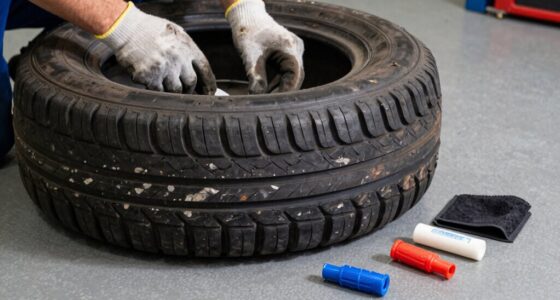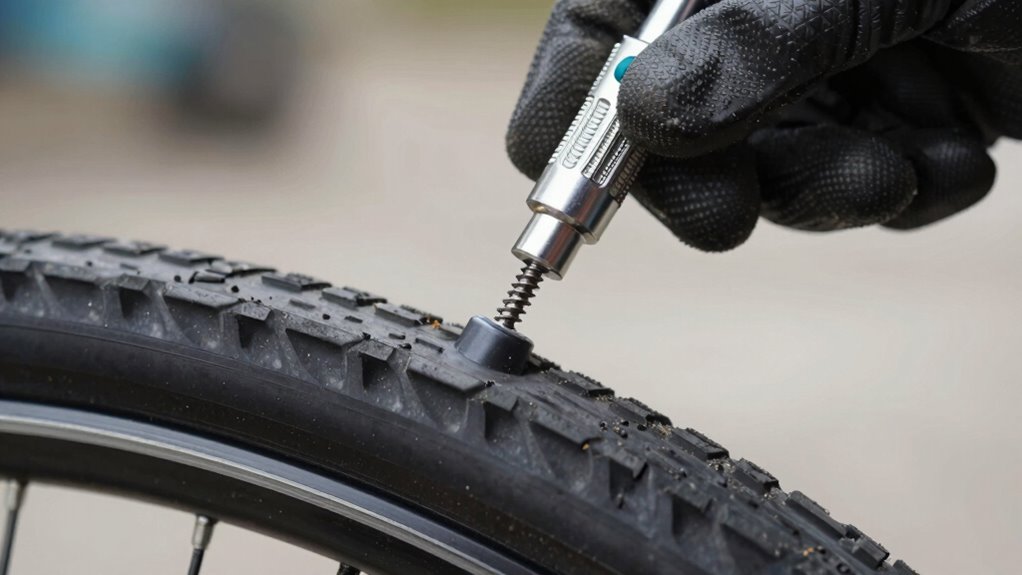

To prevent launching the valve core into the dirt, handle it carefully by deflating the tire first and unscrewing the core slowly with a firm grip. Keep the core secured in your tool, avoiding jerky movements or excessive force. Use a magnetic or quality grip tool to prevent slips, and tighten just enough to be snug without over-tightening. Patience and proper technique help keep the core secure—if you keep these tips in mind, you’ll learn more about safe valve core handling.
Key Takeaways
- Use magnetic or quality valve core tools to securely hold the core during removal and installation.
- Deflate the tire completely before unscrewing to reduce pressure and prevent the core from launching.
- Unscrew the valve core slowly and steadily to maintain control and avoid slips.
- Avoid over-tightening during installation; tighten just enough to be snug without forcing.
- Work in a clean, organized environment to prevent debris from interfering and causing accidental launching.
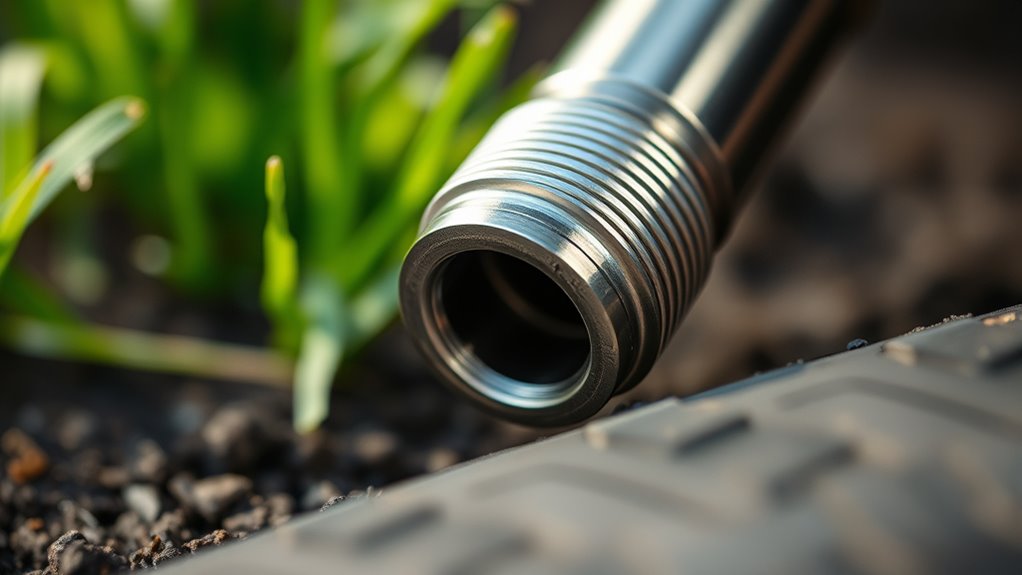
A valve core tool is essential for maintaining and repairing your tires, guaranteeing they stay properly inflated and leak-free. When it comes to air valve maintenance, using the right tool correctly can prevent a lot of headaches. One common mistake is losing the valve core into the dirt or tire assembly during removal or installation. To avoid this, you need to develop good tire repair techniques that keep the core secure and prevent it from launching into the dirt or other hard-to-reach places.
First, always handle the valve core carefully. Before removing the core, make sure the tire is deflated enough to reduce pressure, so the core doesn’t pop out unexpectedly. When you unscrew the valve core, do so slowly and steadily, maintaining a firm grip on the tool and core. This steady approach minimizes sudden releases of pressure that could cause the core to fly off or fall into the dirt. It’s also wise to keep a clean, organized workspace, free of debris that could interfere with the removal process. Using a magnetic valve core tool can be a big help because it holds the core securely in place during removal and installation, reducing the risk of dropping it.
During installation, ensure the valve core is threaded correctly and tightened properly. Over-tightening can damage the valve or cause leaks, but under-tightening might lead to the core loosening over time. A good rule of thumb is to tighten the core just enough so that it’s snug but not overdone. Using a quality valve core tool with a good grip means you won’t need excessive force—this helps prevent accidents where the core could be launched into the dirt or lost inside the tire assembly. Additionally, understanding the importance of contrast ratio in projector image quality can help you appreciate how critical proper maintenance and precise handling are for optimal performance.
Practicing these tire repair techniques can greatly improve your valve maintenance routine. Always double-check the tightness after installing a new core, and consider using a small amount of thread sealant if you’re dealing with persistent leaks. Remember, patience is key. Rushing through the process increases the chance of dropping or damaging the core. When you handle the valve core with care and follow proper procedures, you’ll extend the life of your tires and avoid unnecessary frustrations. With the right approach and a good valve core tool, you can keep your air valves in top condition, ensuring your tires stay properly inflated, leak-free, and ready for the road.

PUIBERS Magnetic Valve Core Removal Tool,Schrader Valve Stem Removal Tools Stem Puller, Great Stainless Steel Tire Valves Tool for Schrader Cores (4 Inch Length)
Small and handy. A small and handy valve core tool designed to remove and install Schrader valve cores,The…
As an affiliate, we earn on qualifying purchases.
As an affiliate, we earn on qualifying purchases.
Frequently Asked Questions
What Types of Valve Cores Are Compatible With Different Tools?
You need to match valve core compatibility with your tools for smooth operation. Most tools are designed for Schrader or Presta cores, so check your valve type before selecting a tool. For Schrader valves, a standard core removal tool works, while Presta valves require a specific Presta-compatible tool. Tool selection tips include verifying the tool fits securely and avoids launching the core into the dirt. Always confirm compatibility before starting your repair or inflation task.
How Do I Identify the Correct Size of Valve Core?
To identify the correct size of valve core, start by checking your valve stem maintenance needs and selecting the right valve core type. Look for markings on the valve or consult your tire or valve manufacturer’s specifications. You can also compare your current core with available replacements. Using the proper size guarantees a secure fit, prevents leaks, and makes valve core selection easier, avoiding the frustration of incompatible tools or damage.
Can Using the Wrong Tool Damage the Valve Stem?
Using the wrong tool can increase your risk of valve stem damage by up to 50%, leading to leaks or failure. Tool compatibility issues often cause improper fitting, which can crack or bend the valve stem. Always verify you select a tool designed for your specific valve core size. This prevents damage, maintains proper seal, and extends the life of your valve stem, saving you time and money.
Are There Eco-Friendly or Reusable Valve Core Tools Available?
Yes, eco-friendly and reusable valve core tools are available. You can find tools made from sustainable materials like recycled plastics or metals, which reduce environmental impact. These reusable designs are durable and built to last, so you won’t need to replace them often. By choosing such tools, you help minimize waste and support eco-conscious practices, making your maintenance routine more sustainable and environmentally friendly.
What Safety Precautions Should I Take During Valve Core Replacement?
Think of your safety gear as your shield in battle. Before replacing the valve core, wear proper PPE like gloves and eye protection to guard against unexpected releases. Keep your workspace tidy to prevent slipping or losing small parts. Handle tools carefully, and stay alert to avoid launching the core into the dirt. By prioritizing workspace safety, you guarantee a smooth, secure valve core replacement without accidents.

FullMayPro 38PCS Tire Valve Stem Core Quickly Replacement Tool Kit,Quick Change Tire Valve Tool Kit for Replacing Leaky Valves in Cars,Trucks,ATVs,etc.with TR413/TR414/TR418
🚗【Package Include】You will get 1 valve core installation push rod tool, 1 plastic tapered positioning tube,1 T-hook tool,…
As an affiliate, we earn on qualifying purchases.
As an affiliate, we earn on qualifying purchases.
Conclusion
So, next time you’re aiming to keep that valve core pristine, remember the golden rule: don’t launch it like a rocket. After all, who needs a clean valve core when you can toss it into the dirt and enjoy the thrill of chasing after a tiny replacement? It’s a surefire way to turn a simple task into a dirt-clad adventure. Happy tightening—just maybe, gently does it.

ZHSMS Valve Stem Removal Tool – 20Pcs Valve Cores, 10Pcs Tire Valve Caps, 4-Way Valve Tool, Valve Core Remover Tool
What You Get – 3 x valve core remover, 1 x 4-way valve tool,10 x valve stem caps…
As an affiliate, we earn on qualifying purchases.
As an affiliate, we earn on qualifying purchases.
ZHSMS Valve Stem Removal Tool – 20Pcs Valve Cores, 10Pcs Tire Valve Caps, 4-Way Valve Tool, Valve Core Remover Tool
What You Get – 3 x valve core remover, 1 x 4-way valve tool,10 x valve stem caps…
As an affiliate, we earn on qualifying purchases.
As an affiliate, we earn on qualifying purchases.