Inverter idle draw is the small amount of power your inverter consumes even when it’s turned off or not actively supplying electricity. Many people are surprised to learn how this hidden energy loss can add up over time, affecting your system’s overall efficiency and increasing your electricity costs. Keeping your inverter well-maintained and choosing models with low idle power can make a big difference. If you want to understand how to minimize this draw, there’s more to discover ahead.
Key Takeaways
- Inverter idle draw is the small amount of power consumed when the inverter is turned off or in standby mode.
- This hidden energy use can add up over time, increasing overall electricity costs unexpectedly.
- Regular maintenance and cleaning can help reduce unnecessary idle power consumption.
- Modern inverters are designed to minimize idle draw, improving overall energy efficiency.
- Monitoring inverter performance can identify excessive idle power use and prevent energy waste.
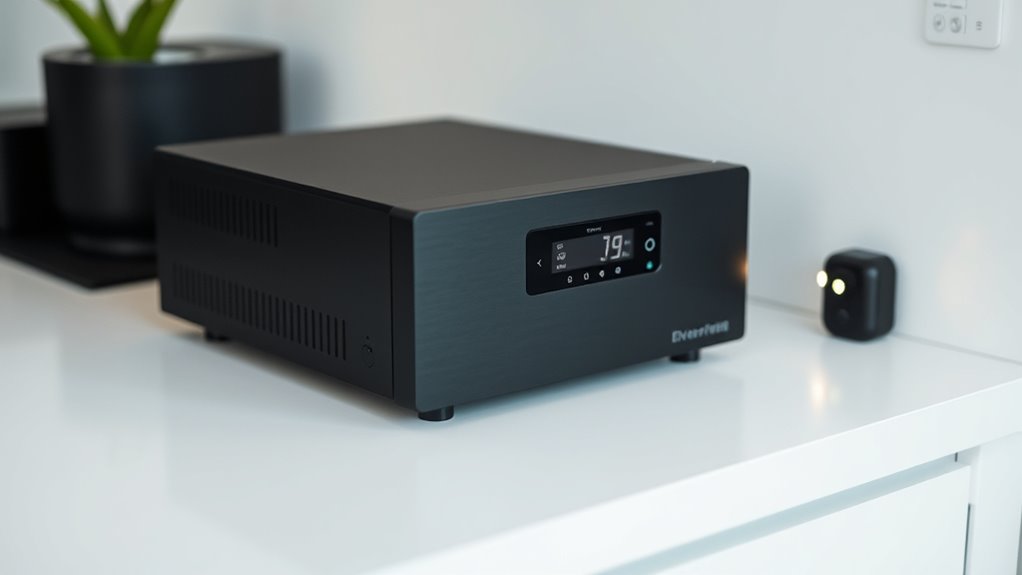
An inverter’s idle draw refers to the small amount of power it consumes when it’s turned on but not actively supplying energy. While it might seem insignificant at first glance, this minimal energy use can add up over time, especially if you have multiple inverters or a large solar system. Understanding this idle power draw is essential if you want to maximize your solar efficiency and guarantee your system operates at peak performance. After all, even the tiniest power losses can reduce the overall effectiveness of your solar setup, costing you money on energy bills or limiting your system’s output.
Many people overlook inverter maintenance because they assume once it’s installed and functioning, it doesn’t require much attention. However, neglecting routine checks can cause the inverter to operate inefficiently, increasing idle draw and further decreasing solar efficiency. Dust, dirt, or corrosion can impair internal components, making the inverter work harder than necessary, which in turn consumes more power when it’s not actually converting sunlight. Regularly inspecting and cleaning your inverter helps keep it operating smoothly, reducing unnecessary power consumption during those idle moments. Additionally, proper inverter maintenance can help identify early signs of wear or potential issues that could increase idle draw over time.
Inverter technology has improved over the years, with newer models designed to minimize idle power draw. Still, no inverter is completely free of it. By understanding how your inverter functions and how idle draw impacts your overall energy conservation efforts, you can decide whether upgrading to a more efficient model makes sense. Sometimes, replacing an aging inverter with a newer, low-idle-draw version can boost your solar efficiency notably. Additionally, proper inverter maintenance not only reduces idle power loss but also prolongs its lifespan, ensuring you get the most value out of your investment.
You should also monitor your inverter’s performance regularly. Many modern inverters come with built-in diagnostics or remote monitoring options that alert you to unusual power consumption or malfunctions. This proactive approach allows you to catch issues early, preventing unnecessary energy waste and maintaining peak solar efficiency. Remember, even when your system isn’t actively producing power, your inverter is still working behind the scenes, quietly drawing small amounts of energy. By staying vigilant and performing routine maintenance, you can keep this idle draw as minimal as possible, ensuring your solar system runs as efficiently and cost‑effectively as it can.
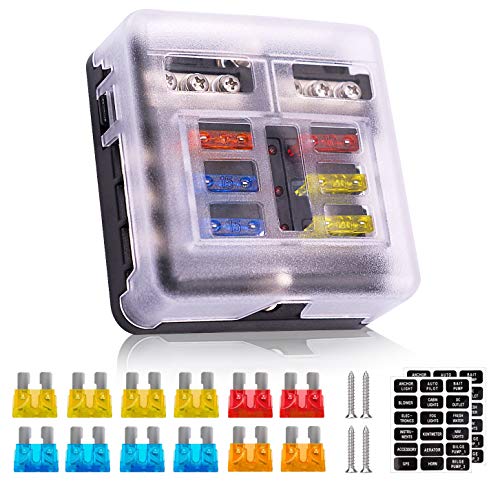
12V Fuse Box 6 Way 12 Volt Fuse Block ATO/ATC with LED Indicator Light Waterproof 24V for Marine Automotive Boat Car Truck
RAPID FIX --- Red LED warning light on fuse box will light up immediately when the corresponding fuse...
As an affiliate, we earn on qualifying purchases.
Frequently Asked Questions
How Can I Measure My Inverter’s Idle Power Accurately?
To measure your inverter’s idle power accurately, use a high-quality clamp meter or a sensitive multimeter with measurement techniques designed for low power readings. First, make certain proper calibration methods are followed to eliminate error. Turn off all connected loads, then connect your device to the inverter. Monitor the readings over a few minutes, noting the steady-state value. This approach ensures precise measurement of your inverter’s inactive power draw.
Does Inverter Idle Draw Vary by Brand or Model?
Think of inverter idle draw as a whisper in a quiet room—subtle but revealing. It does vary by brand comparison and model specifications, like different accents in a language. Some brands are more efficient, whispering less, while others might hum louder even when off. To understand these differences, compare specs carefully, knowing that choosing a model with lower idle draw can save you power and money over time, like finding a quieter, more efficient engine.
Can Inverter Idle Power Affect Overall Household Energy Bills?
Yes, inverter idle power can affect your overall household energy bills, especially if it’s high. When your inverter draws more power in idle mode, it reduces your solar efficiency because energy is wasted even when not in use. Additionally, higher idle draw can strain your battery life over time, leading to more frequent replacements or reduced performance. Minimizing idle power helps save energy and prolongs your system’s longevity.
Are There Inverters With Negligible Idle Power Consumption?
Yes, some inverters feature negligible idle power consumption thanks to efficiency improvements and innovative designs. These models minimize standby energy use, helping you save on your household bills. Look for inverters with advanced circuitry and low quiescent current ratings, as they’re engineered for minimal idle draw. By choosing these efficient options, you guarantee your inverter operates quietly and efficiently when not actively converting power, reducing unnecessary energy waste.
What Steps Can Minimize Inverter Idle Draw During Long Outages?
To minimize inverter idle draw during long outages, you should regularly maintain your battery and guarantee proper inverter placement. Keep batteries well-charged and check connections to prevent unnecessary drain. Also, position the inverter in a cool, ventilated area to reduce idle power consumption. Disconnect the inverter when not in use for extended periods, and schedule periodic maintenance to keep everything running efficiently, reducing idle draw and extending battery life.

Nilight 12V Motorcycle Fuse Box 20A Low Profile Terminal Block Holder w/LED Indicator 4 Circuits Protection Battery Relay for Cars Motorcycles ATV UTV 12 Volt Vehicles
High Quality Material: Made of high-quality PC material, this 12V fuse block has excellent electrical insulation, extensibility, stability...
As an affiliate, we earn on qualifying purchases.
Conclusion
Remember, that tiny flicker of power from your inverter when it’s “off” is like a ghost lurking in the shadows—quiet, unseen, yet steadily draining your energy. It’s the silent thief in your home’s electrical system, whispering away at your savings. So, stay vigilant. Unplug devices when not in use, and let that invisible drain no longer haunt your wallet. A little awareness now can save you a lot of surprise bills later.
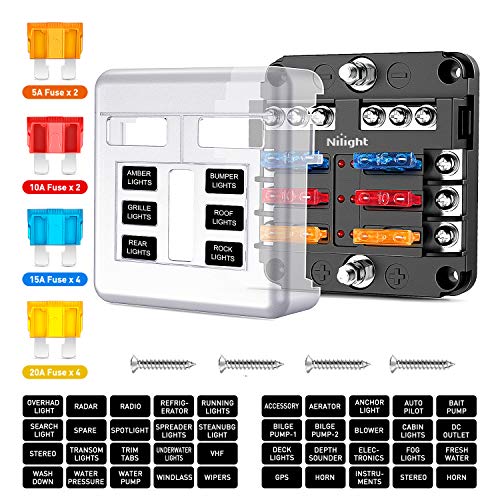
Nilight - 50055F 6 Way Blade Screw Fuse Block 6 Circuits with Negative Bus Fuse Box Holder with LED Indicator ATO/ATC Fuse Panel Waterproof Cover for 12V Automotive Cars Marine Boats RVs Trailers
Optimal Conductivity: 6 Circuit fuse block for ATC/ATO (middle size) fuses; With negative bus and cover. Easy to...
As an affiliate, we earn on qualifying purchases.
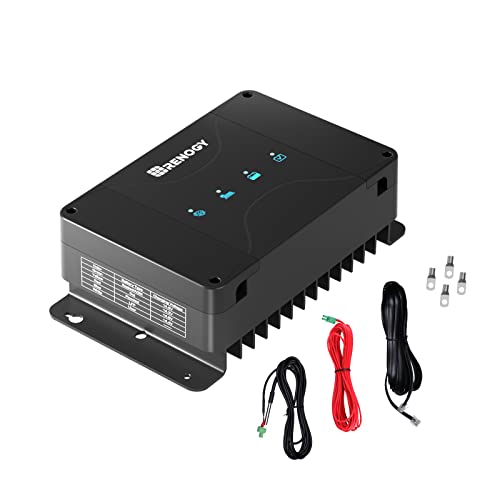
Renogy 12V 50A DC to DC Battery Charger with MPPT, On-Board Battery for Gel, AGM, Flooded and Lithium Batteries, Using Multi-Stage Charging, Solar Panel and Alternator
𝐌𝐮𝐥𝐭𝐢-𝐈𝐧𝐩𝐮𝐭 𝐄𝐟𝐟𝐢𝐜𝐢𝐞𝐧𝐜𝐲 𝐌𝐏𝐏𝐓 𝐂𝐡𝐚𝐫𝐠𝐢𝐧𝐠: Renogy DC to DC Charger with unique dual charging options. This multi-stage, multi-input 12v...
As an affiliate, we earn on qualifying purchases.