
TL;DR
Listen free for 30 days with Audible
Thousands of audiobooks and originals — cancel anytime.
Start your free trialAs an affiliate, we earn on qualifying purchases.
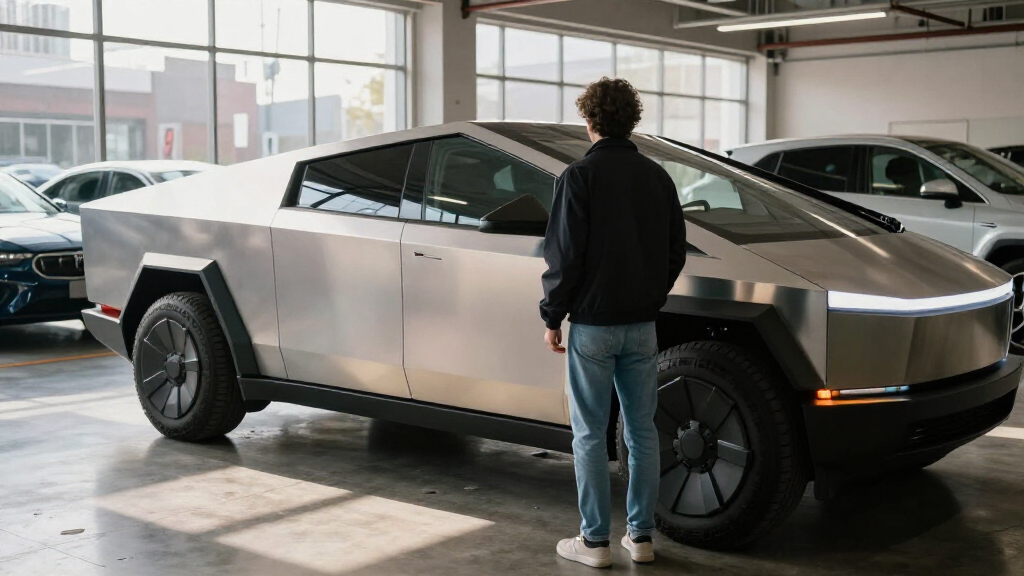
Tesla has officially launched its Cybercab, a new electric commercial vehicle. The debut comes as competitors also prepare to enter the market, signaling a competitive shift in electric transportation for commercial use.
Tesla has officially introduced the Cybercab, its long-anticipated electric commercial vehicle, marking the company’s expansion into the growing electric commercial transportation market. The launch comes as several automakers are preparing to release similar models, intensifying competition in this emerging segment. This development confirms Tesla’s entry into a new vehicle category and signals a broader industry shift toward electric commercial vehicles.
Tesla announced the release of the Cybercab during its recent product event, with the vehicle now available for pre-order. The Cybercab features a fully electric powertrain, a range of approximately 250 miles per charge, and a cargo capacity suited for urban deliveries and small business logistics. Tesla CEO Elon Musk highlighted the vehicle’s sustainability benefits and its potential to revolutionize last-mile delivery services.
Meanwhile, several traditional automakers and new entrants are preparing to launch competing electric commercial vehicles. General Motors, Ford, and Rivian have all announced plans for electric vans and small trucks aimed at commercial customers, with some models expected to debut in the next 12 months. Industry analysts note that Tesla’s move could accelerate the adoption of electric commercial vehicles, but the market remains highly competitive and uncertain.
Implications of Tesla’s Entry into Electric Commercial Vehicles
The launch of the Cybercab signifies Tesla’s strategic push into the commercial vehicle market, which is expected to grow rapidly as cities and companies seek sustainable logistics solutions. The move could reshape urban delivery logistics, reduce emissions, and influence industry standards for electric commercial vehicles. However, Tesla faces immediate competition from established automakers and startups, which could challenge its market share and influence pricing and innovation dynamics.
electric cargo van for small business
As an affiliate, we earn on qualifying purchases.
As an affiliate, we earn on qualifying purchases.
Industry Shift Toward Electric Commercial Vehicles
Interest in electric commercial vehicles has surged over the past two years, driven by regulatory pressures, environmental goals, and the rising demand for sustainable logistics. While Tesla has historically focused on passenger vehicles, its entry into the commercial segment aligns with broader industry trends. The market for electric vans, trucks, and delivery vehicles is expected to expand significantly, with forecasts predicting a compound annual growth rate of over 20% through 2030.
Prior to this launch, Tesla had hinted at developing a commercial vehicle platform, but details remained unconfirmed until now. The competitive landscape includes legacy automakers, tech startups, and logistics companies investing heavily in electric fleet solutions. The timing of Tesla’s Cybercab release appears to be part of a broader industry push toward electrification of commercial transportation.
As an affiliate, we earn on qualifying purchases.
Market Reception and Competitive Response Still Unclear
It is not yet clear how the market will respond to Tesla’s Cybercab, including customer adoption rates and pricing strategies. The competitive landscape is rapidly evolving, with several automakers preparing to introduce similar electric commercial vehicles. Details about the full range of models, their capabilities, and pricing remain undisclosed, and industry analysts caution that Tesla’s success will depend on factors such as supply chain, production capacity, and customer preferences.
As an affiliate, we earn on qualifying purchases.
Next Steps for Tesla and Competitors in Electric Commercial Vehicles
Tesla plans to begin deliveries of the Cybercab in the coming months, with initial focus on North American markets. Meanwhile, competitors are expected to reveal their models within the next year, intensifying the race for market share. Industry analysts will be closely watching how Tesla’s pricing, performance, and customer feedback influence the broader adoption of electric commercial vehicles. Regulatory developments and infrastructure investments will also shape the trajectory of this segment.
electric commercial vehicle charger
As an affiliate, we earn on qualifying purchases.
As an affiliate, we earn on qualifying purchases.
Key Questions
What are the main features of Tesla’s Cybercab?
The Cybercab features a fully electric powertrain, approximately 250 miles of range per charge, and a cargo capacity suitable for urban deliveries and small business logistics.
When will Tesla start delivering the Cybercab?
Initial deliveries are expected to begin in the next few months, with availability primarily in North America.
Who are Tesla’s main competitors in electric commercial vehicles?
Major competitors include General Motors, Ford, Rivian, and several startups planning to launch electric vans and small trucks in the near future.
How might this launch impact the commercial vehicle market?
Tesla’s entry could accelerate adoption of electric commercial vehicles, influence pricing strategies, and prompt other automakers to expedite their own electric models.
What are the uncertainties surrounding the Cybercab’s market success?
Uncertainties include customer demand, competitive responses, pricing, and supply chain or production challenges that could affect Tesla’s market share.
Source: rss
Flea & tick season Picks
flea and tick prevention
As an affiliate, we earn on qualifying purchases.