
TL;DR
San Francisco is taking steps to improve its electric vehicle charging infrastructure, aiming to address the U.S.’s overall lag in curbside charging. The city’s initiative seeks to encourage EV adoption and reduce emissions, but details of the plan are still emerging.
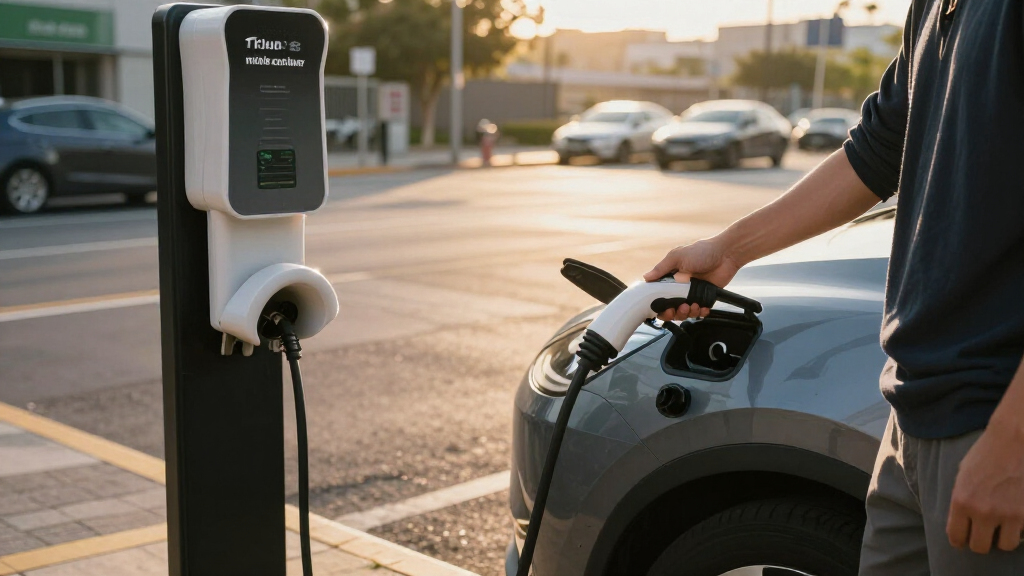
San Francisco has unveiled a new initiative to expand its curbside electric vehicle (EV) charging infrastructure, aiming to address the broader issue of the United States’ slow adoption of accessible EV charging options. This move comes as the city seeks to lead by example in reducing emissions and encouraging EV use, amid growing concern over the country’s lagging infrastructure compared to other developed nations.
The city’s plan involves installing hundreds of new curbside charging stations across key neighborhoods, prioritizing areas with limited existing infrastructure and high EV adoption potential. Officials have stated that this effort is part of San Francisco’s broader climate goals, which include achieving carbon neutrality by 2040. While specific funding figures and the timeline for deployment are still being finalized, city officials emphasized that the initiative aims to make EV charging more accessible and convenient for residents and visitors alike.
According to the San Francisco Department of the Environment, the city currently has fewer curbside charging stations per capita than many other major U.S. cities, which hampers EV adoption among residents without access to private garages or dedicated parking. The new installations are expected to alleviate range anxiety and support the city’s push toward a cleaner transportation system. The plan also includes partnerships with private companies and utility providers to accelerate deployment and ensure equitable access across different neighborhoods.
Why Expanding Curbside Charging Is Critical for the U.S.
This initiative is significant because it highlights a key barrier to widespread EV adoption in the United States: inadequate charging infrastructure, especially in urban areas. As the U.S. lags behind countries like Norway and China in EV infrastructure development, local efforts like San Francisco’s could serve as models for national policy. Improving curbside charging access is crucial for residents who rely on street parking and do not have private garages, thus addressing equity concerns and supporting climate goals. The success of San Francisco’s efforts could influence other cities to prioritize similar investments, potentially accelerating the national transition to electric vehicles.
electric vehicle curbside charging station
As an affiliate, we earn on qualifying purchases.
As an affiliate, we earn on qualifying purchases.
US EV Infrastructure Lag and City-Level Responses
The United States has faced criticism for its relatively slow expansion of EV charging infrastructure, particularly curbside stations in dense urban areas. While federal and state policies have increased incentives for EV purchases, the availability of accessible charging remains uneven, often concentrated in wealthier or suburban regions. The Biden administration has committed to building a nationwide network of charging stations, but progress has been uneven and slower than anticipated. Meanwhile, some cities like San Francisco are taking localized action to fill gaps, recognizing that infrastructure is a critical factor in encouraging EV adoption and meeting climate targets. Historically, urban centers have struggled to develop sufficient curbside charging due to logistical and regulatory challenges, but recent interest has surged amid rising EV sales and climate commitments.
As an affiliate, we earn on qualifying purchases.
Details Still Emerging on Implementation and Funding
It is not yet clear how much funding will be allocated for this expansion, nor the exact timeline for installing the new curbside stations. Details about partnerships with private companies and the specific neighborhoods targeted are still being finalized. Additionally, questions remain about how the city will manage regulatory hurdles and ensure equitable access across all districts. The overall impact of this initiative on the broader national EV infrastructure lag also remains uncertain, as it depends on scalability and replication in other cities.
EV charging station extension cord
As an affiliate, we earn on qualifying purchases.
As an affiliate, we earn on qualifying purchases.
Next Steps in Deployment and Policy Expansion
San Francisco plans to finalize funding arrangements and begin pilot installations within the next six months. The city will monitor usage and gather data to inform further expansion. Officials are also expected to engage with community stakeholders to address local concerns and ensure equitable access. On a broader scale, the success of this initiative could influence state and federal policies aimed at scaling curbside EV charging infrastructure nationwide. Observers will be watching whether other cities adopt similar measures and how federal programs adapt to support local innovations.
As an affiliate, we earn on qualifying purchases.
Key Questions
Why is curbside charging important for EV adoption?
Curbside charging is crucial because many urban residents rely on street parking and lack access to private garages, making home charging impossible. Expanding curbside stations helps remove this barrier and encourages more people to switch to electric vehicles.
How does San Francisco’s plan compare to other cities?
While some cities have begun installing curbside charging stations, San Francisco’s plan aims for a more comprehensive and rapid expansion, potentially setting a model for urban EV infrastructure development across the U.S.
Will this initiative reduce overall EV charging disparities?
Yes, the focus on deploying stations in underserved neighborhoods aims to improve access and promote equitable EV adoption, though the effectiveness will depend on implementation and ongoing support.
What are the main challenges facing this expansion?
Challenges include securing sufficient funding, navigating regulatory processes, coordinating with private partners, and ensuring equitable distribution of stations across diverse neighborhoods.
Could this influence national EV infrastructure policies?
Potentially, if San Francisco’s efforts demonstrate successful outcomes, other cities and policymakers may adopt similar strategies, influencing broader federal and state initiatives.
Source: rss