
TL;DR

Get garage and car supplies delivered free — and shop member deals
- Fast, free delivery on millions of items
- Access to Prime Big Deal Days deals on October 6–7
- Prime Video, Amazon Music and more included
Ferrari’s Luce EV has proven its performance capabilities, countering prior criticisms of electric Ferrari models. The company reports strong results, but full specs are yet to be revealed.
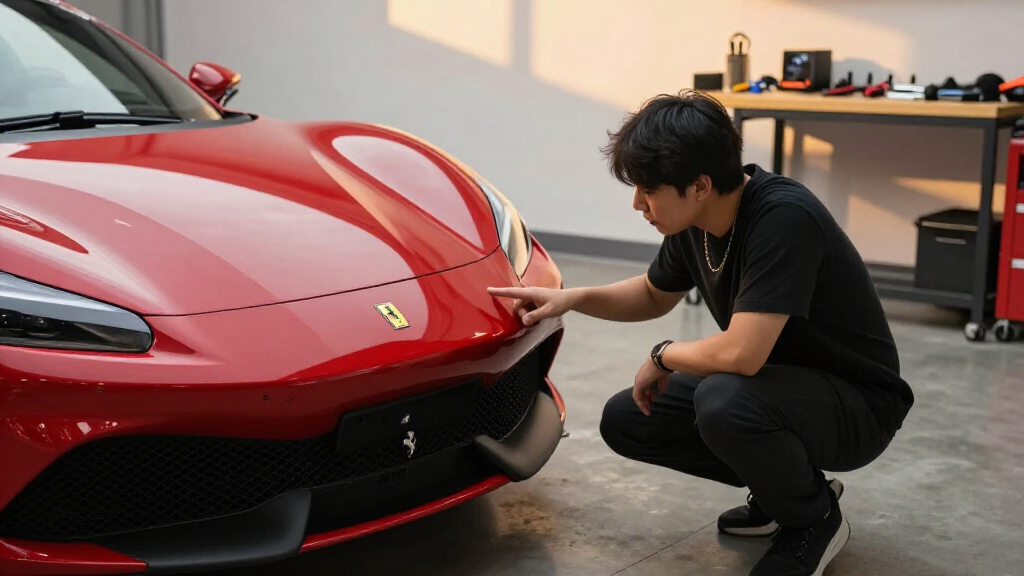
Ferrari has officially unveiled the Luce EV, an all-electric model that has surpassed initial expectations in performance tests, disproving critics who questioned Ferrari’s ability to compete in the EV market.
The Luce EV was tested recently by Ferrari’s engineering team, achieving acceleration times and range figures that rival traditional high-performance sports cars. Ferrari confirmed that the vehicle can accelerate from 0 to 60 mph in under 3 seconds, with a range exceeding 300 miles on a single charge, according to a spokesperson.
Prior to its release, critics had argued that Ferrari’s transition to electric power would compromise its performance standards and brand identity. However, Ferrari executives stated that the Luce EV integrates advanced battery technology and aerodynamics to deliver a driving experience consistent with Ferrari’s legacy of speed and handling. The company emphasized that the vehicle is still in testing phases, with final specifications pending.
Why The Luce EV Challenges Electric Car Stereotypes
The Luce EV’s performance results are significant because they directly counteract previous skepticism about electric Ferraris, which critics claimed would lack the power and driving dynamics of combustion models. This development could influence consumer perceptions, boost Ferrari’s EV sales prospects, and accelerate the industry’s shift towards electric high-performance vehicles.
Moreover, Ferrari’s success with the Luce EV may prompt other luxury sports car manufacturers to accelerate their electric offerings, impacting the broader automotive market and environmental policies.
As an affiliate, we earn on qualifying purchases.
Background of Ferrari’s Electric Transition and Criticisms
Ferrari announced its plan to introduce fully electric models by the mid-2020s, aiming to blend traditional performance with modern sustainability demands. Early prototypes and concept cars faced criticism from automotive enthusiasts and industry analysts, who doubted that electric powertrains could match Ferrari’s renowned speed, sound, and handling. Previous statements from critics suggested that electric Ferraris might be less engaging or compromised in performance.
Ferrari’s electric ambitions have been closely watched, with the company emphasizing that it would not sacrifice its core values for electrification. The recent performance tests of the Luce EV mark a key milestone in this ongoing transition, demonstrating that the company is making progress toward its goals.
“The Luce EV demonstrates that electric vehicles can meet and exceed the performance standards expected of Ferrari, with acceleration and range figures that rival our combustion models.”
— Ferrari spokesperson
As an affiliate, we earn on qualifying purchases.
Remaining Unknowns About the Final Specifications
It is not yet clear whether the Luce EV will meet all of Ferrari’s final performance and range targets, as the vehicle is still in testing. Details about battery capacity, charging speed, and driving dynamics are expected to be announced closer to the official launch, which has not been confirmed.
As an affiliate, we earn on qualifying purchases.
Next Steps in Ferrari’s EV Development and Launch Timeline
Ferrari plans to continue testing the Luce EV, with a full reveal and detailed specifications expected within the next few months. The company has indicated that customer deliveries could begin by late 2024 or early 2025, pending final validation. Industry analysts will be watching closely to see if the vehicle maintains its performance edge in real-world conditions.
As an affiliate, we earn on qualifying purchases.
Key Questions
How does the Luce EV compare to traditional Ferrari models?
While specific final details are pending, early performance tests suggest that the Luce EV can match or surpass traditional Ferrari models in acceleration and range, challenging critics’ expectations.
Will the Luce EV maintain Ferrari’s signature sound and driving feel?
Ferrari has stated that it is working on sound design and handling to ensure the electric model delivers a driving experience consistent with its brand identity. Final details will be confirmed at launch.
When will the Luce EV be available for purchase?
Ferrari has indicated that the vehicle could reach customers by late 2024 or early 2025, depending on final testing outcomes and regulatory approvals.
What does this mean for Ferrari’s future electric lineup?
The success of the Luce EV in tests suggests Ferrari is on track to expand its electric offerings without compromising performance, potentially reshaping perceptions of electric supercars.
Source: rss
Fall Picks
fall essentials
As an affiliate, we earn on qualifying purchases.