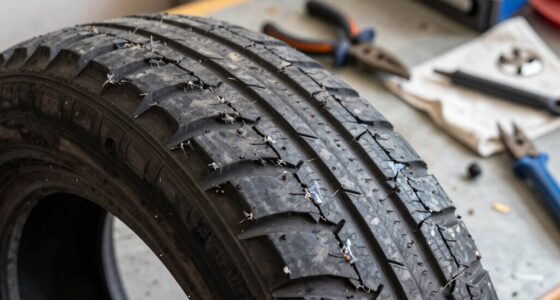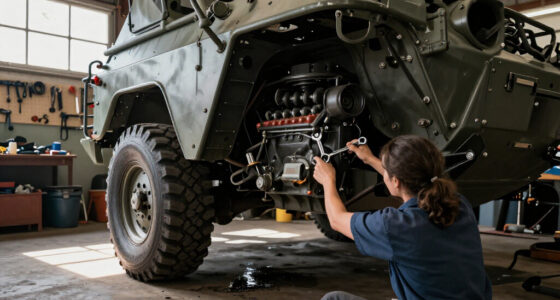

The biggest mistake you can make is neglecting regular inspections, proper training, and safety protocols. Skipping thorough checks or rushing through setup increases the risk of equipment failure or accidents. Not staying updated on safety standards or ignoring PPE and safety zones can lead to serious injuries. Consistently following best practices and staying vigilant is essential. Keep going, and you’ll discover how to avoid these common pitfalls and keep everyone safe.

Get business pricing on garage and car supplies
- Business-only prices and quantity discounts
- Tax-exempt purchasing
- Multiple users, one account, clear invoices
Key Takeaways
- Neglecting regular equipment inspections can hide hidden damage, increasing the risk of failure during operation.
- Skipping safety procedures and rushing setup can lead to improper rigging and accidents.
- Operating without proper training risks misjudging load limits and unsafe handling practices.
- Ignoring safety zones and PPE usage exposes personnel to preventable injuries.
- Complacency and rushing habits undermine overall safety, emphasizing the need for vigilance and ongoing education.
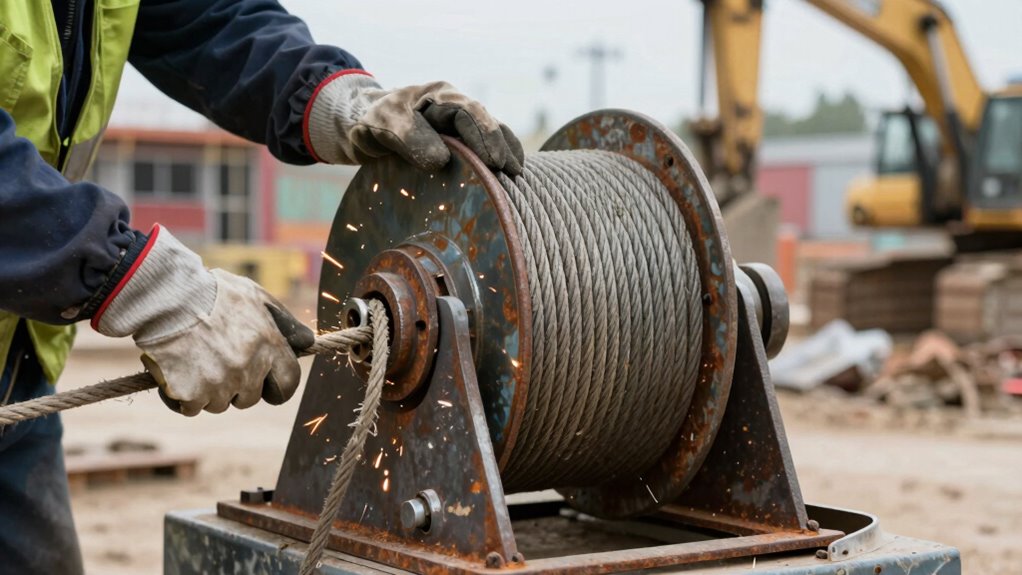
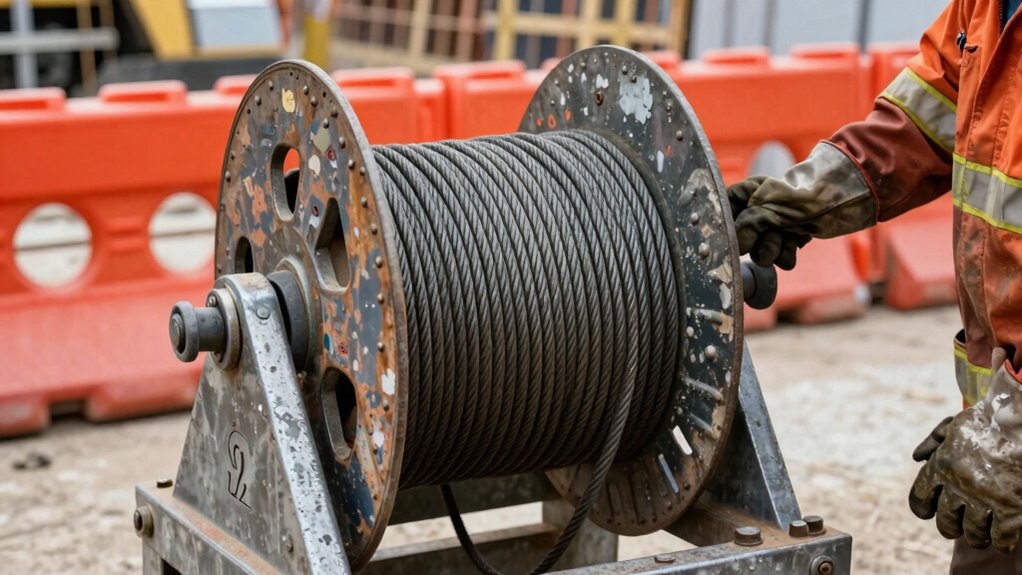
Sometimes, the habits you’ve fallen into without thinking can hold you back more than you realize. One of the most common mistakes in winch safety is neglecting regular equipment inspection. You might assume that once your winch is in good condition, it’s safe to use it repeatedly without checking for wear and tear. But the truth is, equipment can deteriorate over time, even if it looks fine on the surface. Failing to perform thorough equipment inspections before each use can lead to unexpected failures, putting you and others at serious risk. Small cracks, frayed cables, or worn-out components may go unnoticed if you’re not diligent, and these issues can cause catastrophic accidents under load. Regular equipment inspection is essential for identifying hidden issues and maintaining safety.
Beyond just inspecting your equipment, proper training is essential. It’s easy to think that you know everything there is to know about operating a winch, especially if you’ve been doing it for a while. However, safety standards and best practices evolve, and new equipment features are introduced regularly. Without proper training, you might overlook critical safety procedures, misjudge load capacities, or use incorrect techniques. This can lead to dangerous situations, such as overloading the winch or improper rigging, which greatly increases the chance of failure. Proper training doesn’t just make you more confident; it guarantees you understand the equipment’s limits and how to handle unexpected issues safely.
Another common mistake is rushing through the setup process. Many people think that quick preparations are enough, but rushing often skips essential safety steps. You should always take your time to double-check your rigging, secure all connections properly, and ensure that the load is balanced. Skipping these steps because you’re in a hurry can result in slipping, swinging loads, or even cable snapbacks, all of which could cause severe injuries or damage. Remember, the safety of everyone around you depends on meticulous attention to detail during every phase of winch operation.
In addition, ignoring safety zones and not using personal protective equipment (PPE) can turn a manageable situation into a disaster. Always keep yourself and others clear of the load path and wear appropriate PPE, such as gloves, helmets, and eye protection. Many accidents happen because people underestimate the risks or become complacent. Regularly reviewing safety protocols and sticking to best practices helps reinforce good habits and minimizes preventable accidents.
Ultimately, the key to safe winch operation is a combination of consistent equipment inspection, proper training, careful setup, and adherence to safety protocols. Don’t fall into the trap of complacency or rushing—these habits can be costly. Stay vigilant, stay informed, and prioritize safety in every task.
As an affiliate, we earn on qualifying purchases.
Frequently Asked Questions
What Are the Early Signs of Winch Failure?
You’ll notice winch malfunction signs early on, like strange noises, inconsistent movement, or a burning smell. If the winch isn’t operating smoothly, it could indicate internal issues. Ignoring these signs risks safety, so always follow safety precautions and inspect the equipment regularly. Addressing early signs promptly helps prevent catastrophic failure, keeping you safe during operation. Always stay alert to subtle changes that could signal potential winch failure.
How Often Should Winch Safety Inspections Be Performed?
You should perform winch safety inspections regularly, ideally before each use and at least monthly for thorough checks. During inspections, verify equipment calibration is accurate, safety signage is clearly visible and intact, and all components are in proper working order. Regular inspections help identify potential issues early, preventing failures. Keep detailed records of these inspections to maintain safety standards and guarantee that your winch operates reliably and safely every time you use it.
Can Improper Maintenance Cause Winch Accidents?
Improper maintenance can definitely cause winch accidents. If you neglect regular checks, your winch’s design might become compromised, leading to failures during operation. Using the right maintenance tools guarantees you correctly inspect and service critical parts. When you overlook these steps, wear and tear can go unnoticed, increasing the risk of accidents. Always follow manufacturer guidelines, keep your tools handy, and perform routine maintenance to keep your winch safe and reliable.
What PPE Is Recommended When Operating a Winch?
When operating a winch, you should wear protective gear like gloves, safety glasses, and steel-toed boots to prevent injuries. Following safety protocols is essential, including wearing a helmet and hearing protection if needed. Always check your gear beforehand and make certain your clothing is secure. Proper PPE helps protect you from potential hazards like cable snaps or debris, keeping you safe while you handle the winch properly and responsibly.
Are There Specific Training Requirements for Winch Operators?
Did you know that properly trained operators reduce winch-related accidents by up to 50%? You need specific training requirements to operate a winch safely. This includes gaining operator certification and understanding procedures like winch calibration to make sure safety and efficiency. By completing this training, you’ll learn how to handle the equipment properly, recognize hazards, and respond to emergencies, making your work environment safer for everyone involved.
As an affiliate, we earn on qualifying purchases.
Conclusion
To keep safety front and center, stop rushing through winch operations like a reckless windstorm. Remember, a single slip-up can turn a routine task into a dangerous storm. Stay vigilant, follow proper procedures, and never underestimate the power of caution. Think of safety as the anchor in your workboat—without it, you’re adrift in a sea of risk. Keep your focus sharp, and let safety be the steady lighthouse guiding you home.
personal protective equipment for winch operation
As an affiliate, we earn on qualifying purchases.
As an affiliate, we earn on qualifying purchases.
As an affiliate, we earn on qualifying purchases.
Halloween Picks
halloween
As an affiliate, we earn on qualifying purchases.