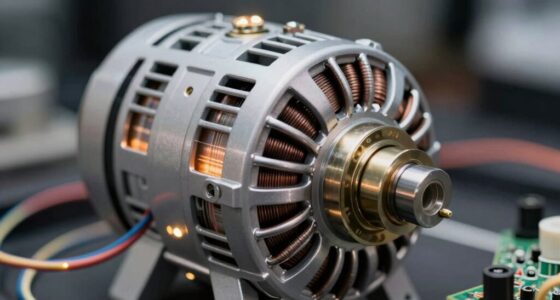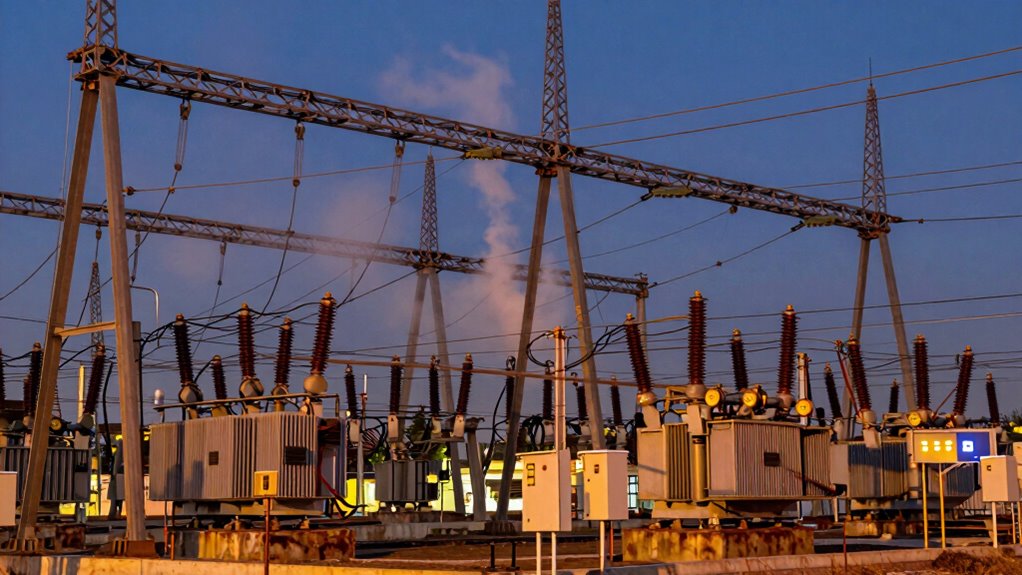

The main hidden cause of “random” power station shutdowns is managing renewable energy fluctuations within the grid. When wind and solar outputs vary unpredictably, grid stability is threatened, triggering automatic shutdowns to prevent blackouts. Outdated controls and lack of storage amplify these issues, causing disruptions. Effective management, advanced forecasting, and modern control systems are essential but often overlooked. If you want to understand how these factors interplay and how to fix them, there’s more to uncover.

Get business pricing on garage and car supplies
- Business-only prices and quantity discounts
- Tax-exempt purchasing
- Multiple users, one account, clear invoices
Key Takeaways
- Renewable energy fluctuations cause grid instability, prompting automatic shutdowns to prevent blackouts.
- Outdated control systems misinterpret renewable variability, leading to premature plant shutdowns.
- Insufficient energy storage fails to buffer renewable output drops, destabilizing the grid.
- Poor grid management and forecasting increase the risk of unpredictable power station outages.
- Lack of modern, responsive technology reduces the grid’s ability to adapt to renewable fluctuations.
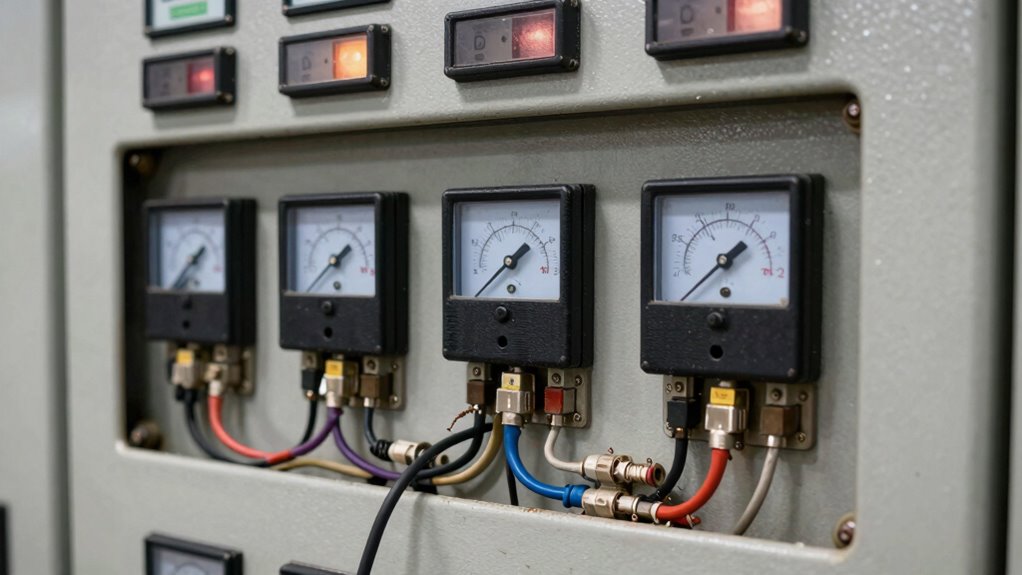
Power station shutdowns often occur unexpectedly, disrupting energy supply and causing costly delays. While these outages can seem random, a deeper issue lies in how power plants handle renewable integration and maintain grid stability. As renewable energy sources like wind and solar become more prevalent, the grid faces new challenges in balancing supply and demand. These sources are inherently variable, fluctuating with weather conditions and time of day. If your power plant isn’t equipped to adapt quickly to these changes, it may need to shut down unexpectedly to prevent grid instability or damage to equipment.
Unexpected power plant shutdowns often stem from difficulty adapting to renewable energy fluctuations and maintaining grid stability.
When renewable integration isn’t managed properly, it can cause instability in the grid. This instability prompts automatic protective measures that shut down power stations to prevent broader blackouts. These shutdowns aren’t truly random—they’re responses to imbalances that threaten the entire system. For example, if a sudden drop in solar output coincides with high electricity demand, the grid can become destabilized. Without proper controls and energy storage solutions, the system might overcompensate by shutting down some plants altogether. This creates a cycle where renewable variability directly impacts plant reliability, making outages more frequent and less predictable. Proper grid management is essential to address these issues effectively.
Maintaining grid stability in the face of increasing renewable energy input requires sophisticated management strategies. You need advanced forecasting tools that predict renewable output and demand fluctuations. Without these tools, operators may react too late or overcorrect, causing unnecessary shutdowns. Additionally, energy storage systems, such as batteries, play an essential role in smoothing out renewable variability. By storing excess energy during high production periods and releasing it during shortages, these systems help keep the grid stable and prevent shutdowns caused by sudden fluctuations. Properly integrating energy storage is crucial for resilient power systems in a renewable-rich grid. Implementing smart grid technologies can further enhance responsiveness and reduce the risk of unexpected shutdowns.
Furthermore, grid stability depends on robust control systems that can respond swiftly and precisely to changes in supply and demand. If these systems are outdated or improperly calibrated, they might trigger shutdowns prematurely or fail to respond when needed. It’s vital for power plants to invest in modern control technologies that can handle the complexities introduced by renewable energy sources. Proper integration of renewables, combined with real-time monitoring and flexible grid management, reduces the likelihood of unexpected shutdowns. Developing grid flexibility is increasingly important as the energy landscape evolves, allowing for better adaptation to fluctuating renewable outputs. A comprehensive approach that incorporates technological advancements ensures the resilience and reliability of modern power grids.
As an affiliate, we earn on qualifying purchases.
Frequently Asked Questions
How Do Maintenance Schedules Influence Unexpected Shutdowns?
Maintenance schedules play a vital role in preventing unexpected shutdowns. By performing regular preventive maintenance, you guarantee equipment stays reliable, reducing the chances of failure. Equipment calibration is essential to maintain accuracy and prevent malfunctions. When you stick to a well-planned maintenance routine, you catch issues early, avoid costly surprises, and keep your power station running smoothly, minimizing the risk of unplanned outages caused by equipment failure.
What Role Do Cybersecurity Threats Play in Power Station Failures?
You might think cybersecurity threats only target computers, but a cyber attack or data breach can cause power station failures too. Hackers could manipulate control systems or disable safety protocols, leading to unexpected shutdowns. These breaches threaten grid stability and safety, making it vital to implement strong cybersecurity measures. Don’t underestimate the risk—protecting power infrastructure from digital threats is essential to prevent costly outages and guarantee reliable energy supply.
Can Weather Conditions Cause Hidden Issues Leading to Shutdowns?
Weather conditions can indeed cause hidden issues that lead to shutdowns. You might not notice how changing weather patterns, like storms or extreme temperatures, stress equipment over time. These climate resilience challenges can weaken power station components, making them more prone to failure. When such hidden damages accumulate, they can trigger unexpected shutdowns, emphasizing the importance of preparing for diverse weather patterns and strengthening infrastructure resilience.
How Does Aging Infrastructure Contribute to Unanticipated Outages?
Aging infrastructure considerably increases the risk of unanticipated outages because aging components become more prone to failure. Infrastructure neglect allows corrosion, wear, and tear to go unnoticed, weakening critical systems over time. You might not see these issues until they cause a sudden shutdown. Regular maintenance and timely upgrades are essential to prevent failures caused by aging infrastructure, ensuring reliable power supply and avoiding unexpected outages.
Are Human Errors a Common Hidden Factor in Power Station Shutdowns?
Yes, human errors like operator negligence and communication breakdowns are common hidden factors behind power station shutdowns. You might not realize how vital clear communication and attentive operation are to maintaining stability. When operators overlook procedures or miscommunicate, it can cause unexpected failures. Recognizing these human elements helps you understand that even small mistakes can lead to significant outages, emphasizing the need for rigorous training and effective communication protocols.
renewable energy grid control systems
As an affiliate, we earn on qualifying purchases.
As an affiliate, we earn on qualifying purchases.
Conclusion
So, next time your power suddenly vanishes, remember it’s not just bad luck or random gremlins. It’s the hidden, sneaky cause lurking behind the scenes, pulling the strings like a puppet master. These shutdowns are like surprise parties—except instead of balloons, you get darkness. Stay alert, because what seems like chaos might just be a cleverly disguised act of tech mischief. Power isn’t as simple as flipping a switch; it’s a wild, hidden game!
solar and wind energy forecasting tools
As an affiliate, we earn on qualifying purchases.
As an affiliate, we earn on qualifying purchases.
As an affiliate, we earn on qualifying purchases.
Halloween Picks
halloween
As an affiliate, we earn on qualifying purchases.