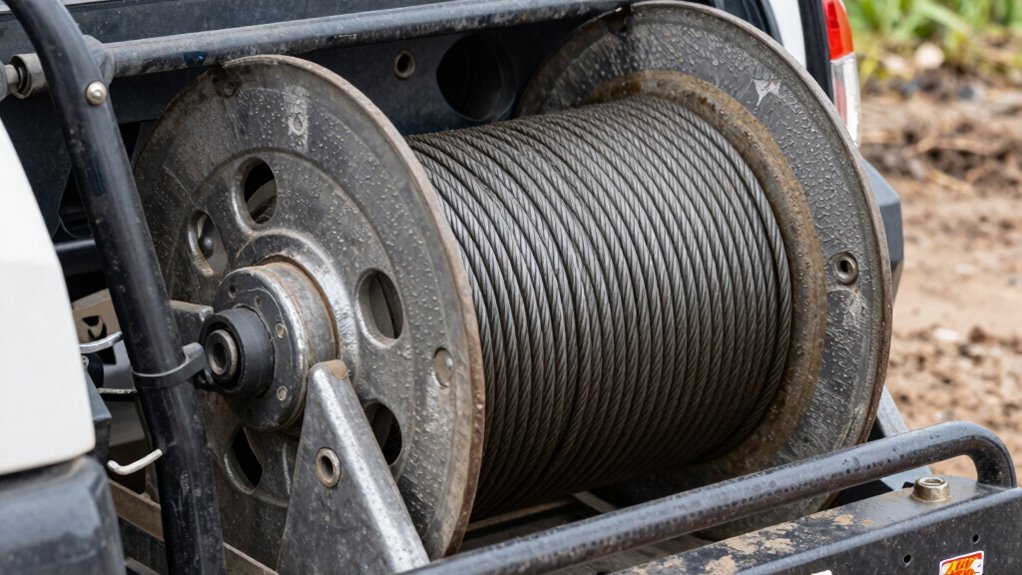

When winching feels weak, your problem may be related to line pull, drum layers, and load distribution. As you add more layers to the drum, the effective radius increases, decreasing the force your winch can exert. Proper tension and load sharing are essential for ideal performance. Friction, load angle, and environmental conditions also affect strength. To boost your winch’s efficiency, understanding these factors is key—keep going for detailed insights.

Get business pricing on garage and car supplies
- Business-only prices and quantity discounts
- Tax-exempt purchasing
- Multiple users, one account, clear invoices
Key Takeaways
- Adding layers on the drum increases the effective radius, reducing the line pull force during winching.
- Excessive layers cause the winch to feel weak because they decrease the tension and pulling capacity.
- Proper line load distribution and minimal layers during critical pulls optimize winch performance.
- Friction from multiple layers and environmental factors can weaken the perceived pulling power.
- Maintaining correct tension, proper setup, and regular maintenance prevent weak winch performance.
As an affiliate, we earn on qualifying purchases.
Understanding Line Pull and Its Significance
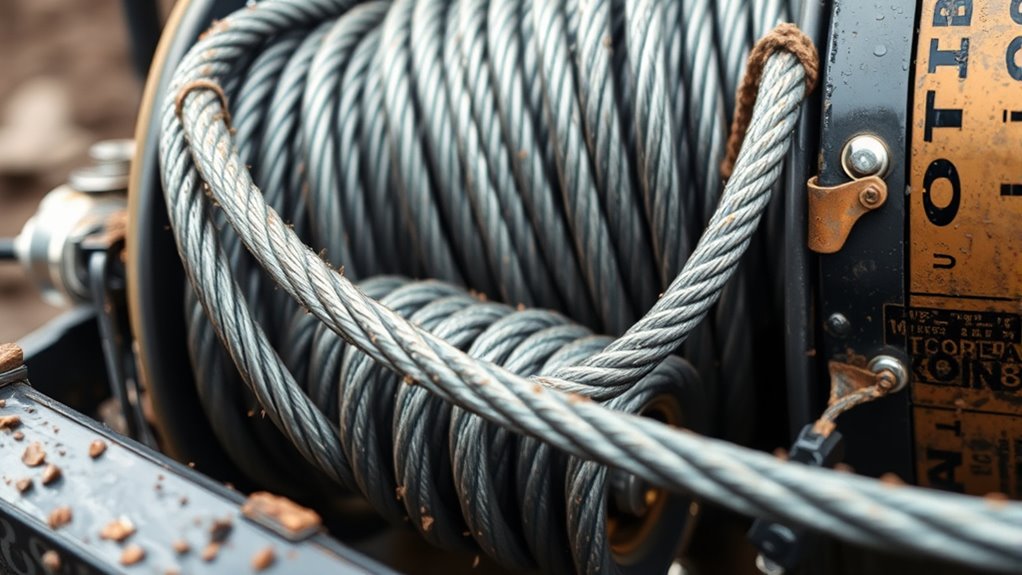
Have you ever wondered how a winch determines the amount of force it can exert? It all comes down to line pull, which measures the force applied to the rope, expressed in Newtons or pounds. The maximum line pull, or Fmax, is the force when the drum is empty. This value helps you understand the winch’s power and capacity. The drum torque, calculated by multiplying Fmax by the drum radius, shows how much rotational force the winch can generate. Keep in mind, as you add more rope layers or parts, the effective force decreases. Understanding dynamic load capacity can help you select the right winch for your job, ensuring you don’t overload it and risk failure. It’s a fundamental measure of your winch’s strength and performance. Additionally, understanding drum layers can help prevent premature wear and improve overall efficiency.
As an affiliate, we earn on qualifying purchases.
How Drum Layers Affect Winch Performance

As you add more layers of rope on the winch drum, the effective radius increases, which impacts your pull strength. This means your winch produces less force as layers grow, typically reducing pull by about 10% per layer. Understanding how layer count and efficiency influence performance helps you optimize your winching setup. Additionally, considering natural pools and landscaping can improve your backyard’s overall functionality and aesthetic appeal. Proper maintenance of your winch and awareness of sticking wall decor can also ensure long-term reliability. Being aware of winch efficiency principles enables you to better plan your recovery tasks and maximize performance over time, especially by understanding how field‑of‑view and imaging‑scale factors relate to equipment performance and load distribution. Recognizing the drum layer effect is crucial for maintaining optimal winch operation and avoiding overloading.
Increased Radius, Reduced Pull
When multiple layers of rope are wound onto a winch drum, the effective radius where the rope contacts the drum increases, which directly impacts the winch’s pulling power. As the radius grows, the torque required to turn the drum stays the same, but the line pull decreases. This means your winch becomes less effective as layers build up. Proper layer management is essential to maintain optimal performance and prevent weak pulls. A well-organized outdoor kitchen setup can help you keep your gear in top shape and ensure safety during use. Understanding this helps you anticipate why your winch feels weaker as layers increase.
Layer Count and Efficiency
Each additional layer of rope wound onto the winch drum decreases overall efficiency by increasing the effective radius, which reduces the line pull you get for the same torque. As you add layers, the radius grows from the drum center outward, meaning more torque is needed to generate the same pulling force. Typically, each layer adds about 10% to the effective diameter, cutting your line pull accordingly. This means your winch performs best at the first layer, where the radius is smallest. When multiple layers are wound, the increased diameter reduces the force transferred to the line, making your winch feel weaker even if the motor is still capable. To maximize performance, keep the rope layers minimal during critical pulls and avoid unnecessary winding. Understanding load capacity is crucial for safe and effective winching. Additionally, proper layer management can help maintain optimal winch efficiency during use. Properly monitoring the drum layers can help prevent overloading and ensure consistent performance during demanding tasks.
As an affiliate, we earn on qualifying purchases.
The Relationship Between Drum Diameter and Pull Capacity
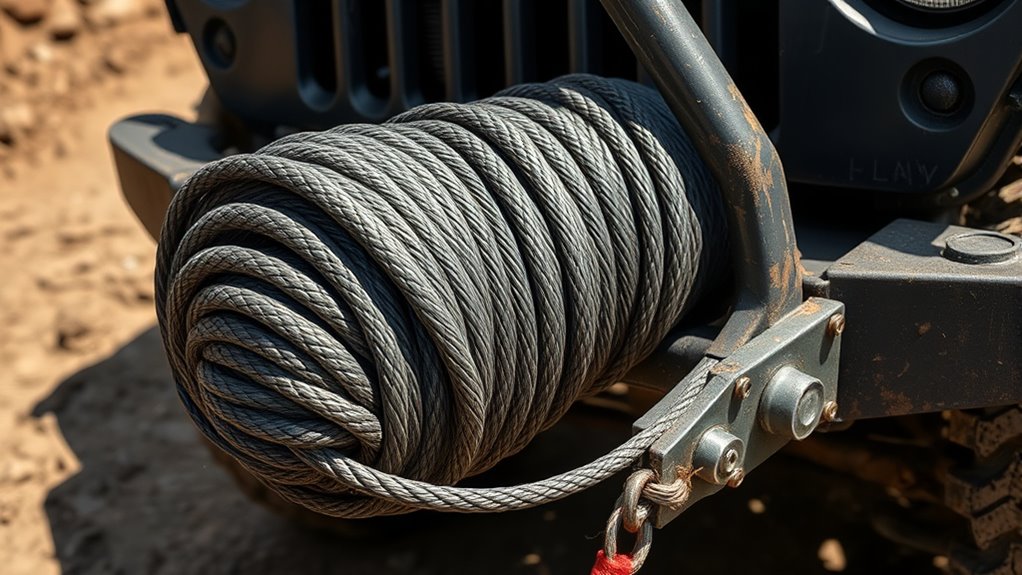
The diameter of the drum directly influences the winch’s pull capacity because it determines the effective radius at which force is applied to the rope. A larger drum diameter means the rope wraps around a bigger radius, reducing the torque needed to produce the same line pull. Conversely, a smaller drum provides a shorter radius, increasing the torque required. Keep in mind:
The drum’s diameter affects pull capacity by changing the effective force radius.
- Increasing drum diameter boosts the effective radius, potentially increasing pull capacity.
- Larger drums spread the load over a bigger surface, reducing wear.
- Smaller drums concentrate force, making them better for high-torque, lower-speed tasks.
- Drum diameter impacts the number of layers; more layers increase radius and reduce pull.
- Proper matching of drum size to load ensures ideal winch performance and longevity.
- Additionally, the drum layers can influence the overall efficiency and durability of the winch during operation.
- When considering drum size, it’s important to account for rope layering, as multiple layers can increase the radius and affect performance.
- Considering the material and construction of the drum can also enhance winch durability and operational effectiveness.
- An understanding of load distribution helps optimize drum size choices for specific tasks and prolongs equipment life.
winch load distribution accessories
As an affiliate, we earn on qualifying purchases.
As an affiliate, we earn on qualifying purchases.
Calculating Power and Torque for Effective Winching
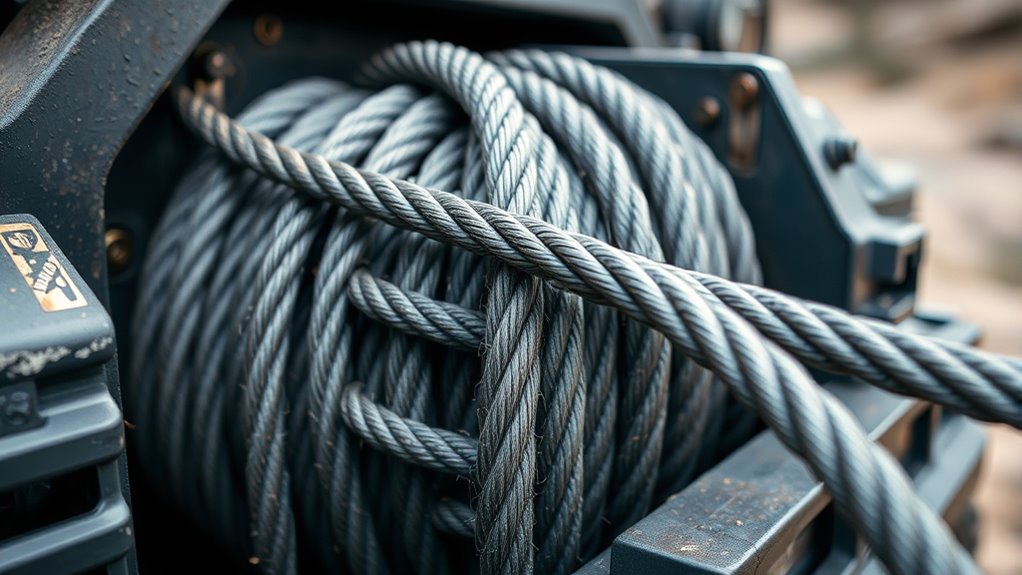
Calculating power and torque is fundamental to guaranteeing your winch performs efficiently and safely during recovery operations. Power measures how quickly your winch can pull, while torque indicates the rotational force needed. To determine power, use the formula:
| Power (kW) | = | Force (N) | × | Speed (m/min) | / | 1020 × 60 | . Understanding torque requirements is essential for selecting the right winch for your specific load. Additionally, considering load capacity ensures the winch can handle the maximum expected forces safely. Properly assessing winch specifications helps prevent equipment failure and ensures safety during operation. |
|---|---|---|---|---|---|---|---|
| Torque (ft-lbs) | = | Fmax | × | Rmin (ft) | . Here’s a quick guide: | ||
| Line Pull (lbs) | Drum Radius (in) | Power (kW) | |||||
| 5,000 | 4 | 1.2 | |||||
| 10,000 | 6 | 2.5 | |||||
| 15,000 | 8 | 4.0 |
Accurate calculations guarantee safe, effective winching performance. For optimal results, understanding winch load capacity and how it relates to your specific application is crucial.
The Mechanics of Line Parts and Load Distribution
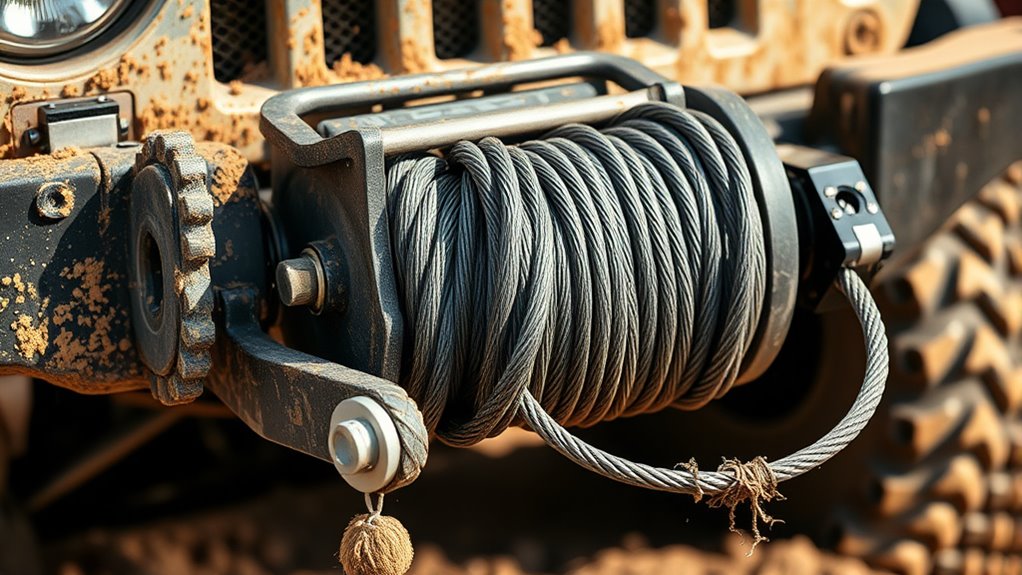
Understanding how line parts and load distribution work is essential for effective winching. When you set up your line, dividing the total load among multiple parts reduces the strain on each segment. The number of line parts directly impacts the load each one bears, which helps prevent overloading sheaves or ropes. To optimize your setup, consider:
- Increasing line parts for higher load sharing.
- Using appropriate sheaves based on line parts.
- Calculating load per line by dividing total pull by parts.
- Recognizing that angles increase load on each line.
- Ensuring proper tension and alignment for even load distribution.
- Always verify your setup with safety guidelines to prevent accidents and equipment failure, as understanding load distribution principles can significantly improve winching safety and efficiency.
Factors That Influence Winch Efficiency and Strength

Factors such as friction, load angle, and component efficiency considerably influence how well your winch performs. Friction losses in the cable, sheaves, and gears reduce the actual pulling force, making your winch seem weaker. The load angle, or the angle at which force is applied, increases the effective load on the winch, especially on steep inclines, requiring more effort for the same pull. Component efficiency, including motor, gears, and seals, also plays a critical role; any inefficiency wastes power and reduces output. Using high-quality, well-maintained parts minimizes losses. Additionally, environmental factors like heat and dirt can degrade performance. Recognizing these influences helps you understand why your winch might underperform and guides you in optimizing its strength and efficiency. Proper lubrication and regular maintenance can significantly reduce performance losses and improve overall winch function. Regular inspection of winch components ensures that all parts operate smoothly and efficiently. Maintaining a clean environment around the winch can further prevent dirt and debris from impacting component efficiency.
Frequently Asked Questions
How Do I Choose the Right Number of Rope Parts for My Winch?
You choose the right number of rope parts by matching the total line pull to your winch’s capacity. Divide the overall load by the maximum pull per part, considering safety margins. For example, if your total pull is 7400 lbs and each part handles 2000 lbs, then you need at least four parts. Opt for 4-6 parts for extra safety and efficiency, depending on the load and setup.
What Causes My Winch to Feel Weaker Over Time?
Did you know that friction and layer buildup can reduce your winch’s pulling power by up to 30%? Over time, your winch feels weaker because of worn components, rope degradation, or increased drum layers. These factors add resistance, slowing the line pull. Regular maintenance, inspecting the rope, and avoiding overloading help maintain peak performance and prevent your winch from losing strength when you need it most.
How Does Changing the Gear Ratio Affect Pulling Power?
Changing the gear ratio directly impacts your pulling power by altering torque and speed. A higher gear ratio increases torque, giving you more pulling power but reducing speed. Conversely, a lower ratio boosts speed but decreases torque. When you switch to a higher ratio, you’ll notice your winch can handle heavier loads more easily, but at the cost of slower operation. Adjusting gear ratios helps you balance power and speed for different winching tasks.
Why Does Adding More Layers to the Drum Reduce Pull Capacity?
Adding more layers to the drum increases the effective radius where the rope winds, which reduces the line pull capacity. As the rope wraps around more layers, the force exerted on the rope decreases because the same torque now acts over a larger radius. This means your winch can’t pull as much weight, and you’ll notice a weaker pulling force as layers build up, making it harder to recover heavy loads.
How Can I Improve Winch Efficiency Under Heavy Loads?
To improve your winch efficiency under heavy loads, guarantee you use the correct rope diameter and maintain proper tension to reduce friction losses. Regularly inspect and lubricate parts like sheaves and gears, and avoid overloading beyond your winch’s rated capacity. Additionally, minimize the number of layers on the drum by spooling carefully, and always operate within recommended parameters to maximize power transfer and reduce heat buildup.
Conclusion
Now that you know how line pull, drum layers, and power work together, you can troubleshoot your winch more effectively. Remember, understanding these basics helps you get the most out of your equipment and stay safe during recovery. So, next time your winch feels weak, ask yourself: are you using it to its full potential? With the right knowledge, you’ll be ready to conquer any challenge that comes your way.
Fall Picks
fall essentials
As an affiliate, we earn on qualifying purchases.