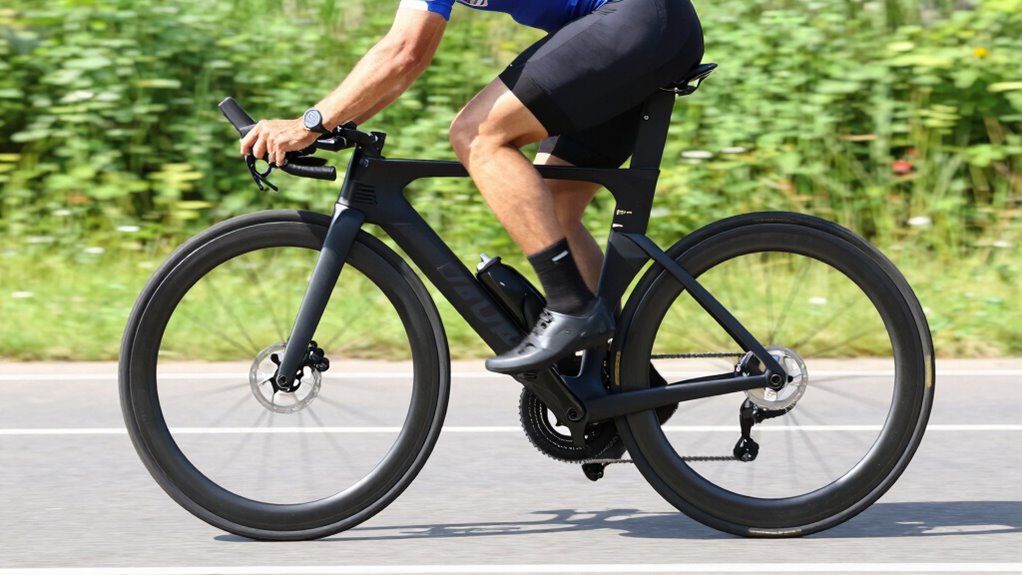

Losing excess weight helps improve your speed by reducing the physical resistance you face with every movement. When you shed unnecessary fat, your body becomes lighter and more agile, allowing for quicker acceleration and better responsiveness. Less weight also means less strain on your muscles and joints, making it easier to move efficiently. If you want to discover more ways that weight reduction can boost your performance, keep exploring how smarter training and nutrition play a role.
Listen free for 30 days with Audible
Thousands of audiobooks and originals — cancel anytime.
As an affiliate, we earn on qualifying purchases.
Key Takeaways
- Less weight reduces resistance, allowing for quicker acceleration and improved responsiveness.
- Shedding excess weight decreases strain on muscles and joints, enhancing overall movement efficiency.
- A lighter body requires less energy, reducing fatigue and enabling sustained high-speed performance.
- Weight reduction minimizes load, decreasing drag and improving top-end speed in sports or activities.
- Removing unnecessary mass enhances agility and quickness by enabling faster, more precise movements.

Reducing weight is a vital factor in increasing speed, whether you’re an athlete, a vehicle builder, or a hobbyist seeking better performance. When your goal is to move faster, every excess ounce can act as a barrier, forcing you to exert more effort to achieve the same results. By shedding unnecessary weight, you decrease the load your body or machine has to carry, allowing for quicker acceleration and improved agility. This is why focusing on effective training techniques and nutritional strategies becomes essential. Good training techniques help you optimize your body’s ability to burn fat, build lean muscle, and enhance endurance—all contributing to a lighter, more efficient form. Incorporating interval training, strength exercises, and flexibility routines ensures you develop power without adding bulk, which can hinder speed. Simultaneously, nutritional strategies support this process by emphasizing foods that promote fat loss while preserving muscle mass. A diet rich in lean proteins, healthy fats, and complex carbohydrates fuels your workouts and helps you recover faster, enabling consistent progress toward weight reduction. Cutting back on processed foods, sugars, and excessive calories accelerates fat loss, making your body lighter and more responsive. When you combine these training techniques and nutritional strategies, you create a synergy that amplifies your ability to shed weight effectively. It’s not just about losing weight but doing so intelligently, ensuring that muscle strength and stamina are maintained. This balance prevents a decline in power or endurance, which could counteract your speed gains. Additionally, tracking your progress helps you stay motivated and adjust your approach as needed. You might find that certain exercises or dietary tweaks yield better results, so staying flexible and attentive to your body’s responses is vital. Remember, weight reduction isn’t a quick fix; it’s a sustained effort that requires consistency and discipline. As you gradually decrease your weight, you’ll notice improvements in your speed, whether you’re sprinting on the track, cycling up a hill, or even refining your hobbyist projects like building faster RC cars or boats. The reduction in mass means less resistance and less strain on your muscles, enabling you to perform at a higher level with less fatigue. Understanding effective training techniques also plays a crucial role in optimizing your efforts and avoiding plateaus. Incorporating personalized training plans tailored to your specific needs can help you achieve better results more efficiently. Proper body measurements and choosing the right body jewelry materials can help prevent discomfort or injury during physical activity, contributing to more consistent training sessions. Additionally, staying informed about training equipment options can further enhance your workout efficiency and motivation. Ultimately, by combining smart training techniques and nutritional strategies, you empower yourself to achieve faster speeds more efficiently. Your body becomes a finely tuned machine, capable of moving swiftly and smoothly, making every effort count. Additionally, understanding decoding slang and informal language can help you stay motivated and connected with supportive communities that share your goals.

USANOOKS Microfiber Cleaning Cloth Grey - 12 Pcs (12.5"x12.5") - High Performance - 1200 Washes, Ultra Absorbent Microfiber Towel Weave Grime & Liquid for Streak-Free Mirror Shine - Car Washing Cloth
- High Absorbency Grip Root Weave: Locks in 8-10x weight in liquids
- Lint-Free and Scratch-Resistant: Ensures streak-free, mirror shine
- Durable for 1200+ Washes: Long-lasting reusable microfiber cloths
As an affiliate, we earn on qualifying purchases.
Frequently Asked Questions
How Much Weight Loss Is Needed to See a Speed Improvement?
You can see speed improvements with a modest weight loss, typically around 5-10% of your body weight. Achieving a caloric deficit promotes fat loss, which reduces excess weight and enhances agility. Even losing 5 pounds can make a noticeable difference. Focus on consistent fat loss through proper diet and training, and you’ll likely experience quicker runs and better performance as your weight decreases.
Does Weight Reduction Affect Endurance or Stamina?
Weight reduction can positively affect your endurance and stamina by reducing the load on your muscles and joints. When you create caloric deficits, you shed excess weight, making sustained activity easier. However, be mindful of endurance trade-offs; losing too much weight too quickly might lead to muscle loss and decreased strength. Balance your weight loss with proper nutrition to maintain stamina and improve overall athletic performance.
Are There Risks Associated With Losing Too Much Weight?
Losing too much weight can pose health risks and lead to metabolic concerns, such as nutrient deficiencies and a weakened immune system. You might experience fatigue, dizziness, or hormonal imbalances if you drop weight rapidly or excessively. It’s important to aim for gradual, sustainable weight loss and consult a healthcare professional to make sure you’re not risking your overall health while trying to improve performance.
How Does Weight Reduction Impact Muscle Strength?
When you reduce weight, your muscle mass might decrease if you don’t focus on strength preservation. This can lead to a temporary drop in muscle strength, making it harder to perform at your best. To minimize this, incorporate strength training into your weight loss plan. Staying active and consuming enough protein helps preserve muscle mass, ensuring you maintain strength while shedding excess weight.
What Are the Best Methods for Safe Weight Loss?
To lose weight safely, focus on creating a caloric deficit through healthy habits like balanced eating and regular exercise. Avoid crash diets; instead, incorporate nutritious foods, stay hydrated, and get enough sleep. Gradually reduce your calorie intake while maintaining a variety of fruits, vegetables, lean proteins, and whole grains. Consistency and patience are key to sustainable weight loss without risking your health.

Amazon Basics Microfiber Car Drying Towels, Highly Absorbent, Lint Free, Scratch Free, Ultra-Soft, Car Detailing, Buffing and Polishing, 16" x 16", Yellow, 12-Pack
- Product Quantity: 12-pack of towels
- Size: 16 x 16 inches
- Material: Microfiber for drying and polishing
As an affiliate, we earn on qualifying purchases.
Conclusion
So, if you want to soar faster and feel fitter, focus on shedding some pounds. Weight reduction works wonders by reducing resistance and ramping up your rhythm. Remember, every ounce you lose pushes you closer to your peak performance. Stay committed, stay consistent, and see how slashing unnecessary surplus supports your speed and strength. With determination and discipline, you’ll discover that dropping weight is a key to conquering new heights and crossing finish lines faster.

HOMEXCEL Microfiber Cleaning Cloth 12 Pack, 12.5 x 12.5 inch Microfiber Towels for Cars, Ultra Absorbent Washing Cloth, Lint Free Streak Free Cleaning Rags for Car, Kitchen, and Window (Grey)
- High Water Absorption: Outstanding absorption for dirt and liquids
- Scratch-Free Cleaning: Soft fabric gently wipes without scratching
- Fast Drying: Rapidly absorbs water for quick drying
As an affiliate, we earn on qualifying purchases.

AIDEA Microfiber Cleaning Cloth-50PK, Microfiber Towels for Cars, 12×12"
- Super Absorbent Material: Quickly wicks away water and dirt
- Soft and Lint-Free: Scratch-free cleaning on various surfaces
- Reusable and Durable: Washable for hundreds of uses
As an affiliate, we earn on qualifying purchases.
Back to school Picks
back to school
As an affiliate, we earn on qualifying purchases.